When developing a mobile application, one of the most crucial decisions is choosing between native and cross-platform development. Both approaches have their strengths and weaknesses, and the right choice depends on your project’s goals, budget, and timeline. Let’s break down the differences to help you make an informed decision.
What Are Native Apps?
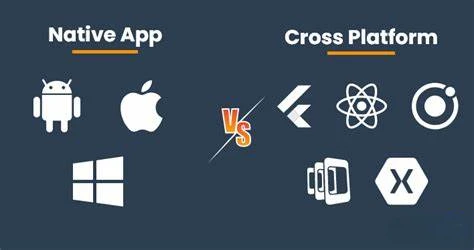
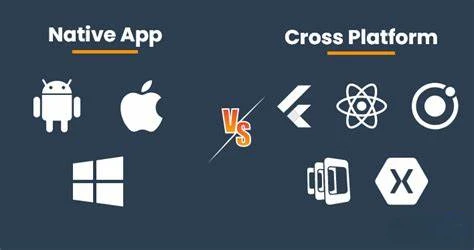
Native apps are built specifically for a single platform, such as iOS or Android. Developers use platform-specific programming languages—Swift or Objective-C for iOS and Kotlin or Java for Android. These apps are installed directly on devices and can take full advantage of the hardware and software features of the platform.
Advantages of Native Apps:
- High Performance: Since native apps are optimized for a specific platform, they deliver superior speed and responsiveness.
- Better User Experience: Native apps provide seamless integration with platform-specific UI components, resulting in a polished and intuitive user experience.
- Access to Full Device Features: Native apps can fully utilize device capabilities such as cameras, GPS, and sensors.
- Enhanced Security: Native development often includes robust built-in security features and better compliance with platform guidelines.
Disadvantages of Native Apps:
- Higher Development Costs: Developing separate apps for iOS and Android can be expensive.
- Longer Development Time: Creating two separate codebases increases development time.
- Maintenance Complexity: Maintaining and updating two different versions of the app requires more effort and resources.
What Are Cross-Platform Apps?
Cross-platform apps use a single codebase to run on multiple platforms. Developers use frameworks like Flutter, React Native, or Xamarin to create these apps, which are then compiled to run on both iOS and Android.
Advantages of Cross-Platform Apps:
- Cost-Effective: A single codebase reduces development costs significantly.
- Faster Development: With one codebase, development and updates are quicker.
- Broader Reach: Cross-platform apps allow you to target both iOS and Android audiences simultaneously.
Disadvantages of Cross-Platform Apps:
- Performance Limitations: Cross-platform apps may not perform as efficiently as native apps, especially for graphics-intensive applications.
- Limited Access to Platform-Specific Features: Some advanced features might require custom native modules, adding complexity.
- Design Constraints: Achieving a platform-native look and feel can be challenging.
When to Choose Native Development
- Your app requires high performance and complex functionalities.
- You want to provide a premium user experience tailored to a specific platform.
- Security is a top priority.
- You have the budget and resources to develop and maintain separate apps.
When to Choose Cross-Platform Development
- You’re on a tight budget and need to develop an app quickly.
- Your app’s core functionalities are relatively simple and don’t require heavy platform-specific features.
- You aim to reach both iOS and Android users simultaneously.
Conclusion
Choosing between native and cross-platform development depends on your project’s unique requirements. Native apps excel in performance and user experience, making them ideal for high-end applications. On the other hand, cross-platform development offers cost and time efficiency, making it perfect for startups and projects with limited resources.
Consult with experienced developers to assess your needs and select the approach that aligns with your business goals.










Sign in to leave a comment.