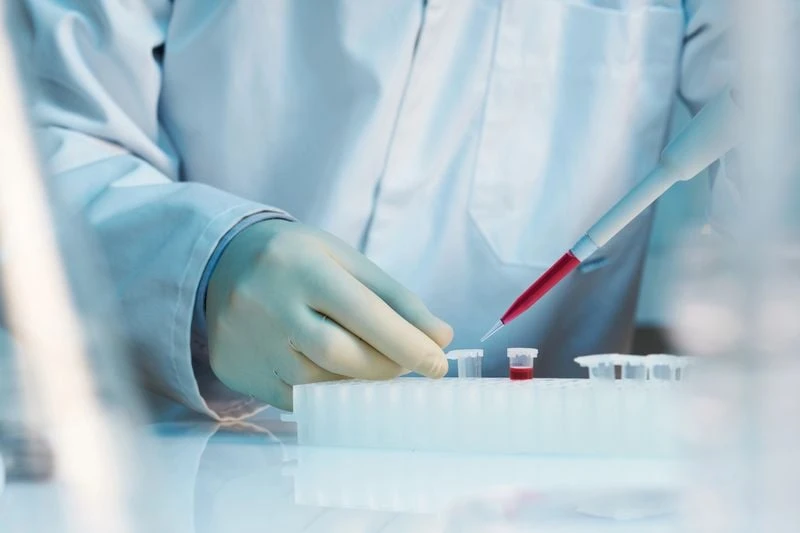

The human immune system is designed to protect the body from infections, harmful microorganisms, and abnormal cell growth. One of the most important components of this defense system is Natural Killer Cells, commonly known as NK cells. These specialized immune cells work continuously to identify and destroy dangerous cells before they can cause serious health problems.
Unlike other immune cells that need prior exposure to recognize threats, Natural Killer Cells can act immediately. This fast response makes them a vital part of the body’s first line of defense.
What Are Natural Killer Cells?
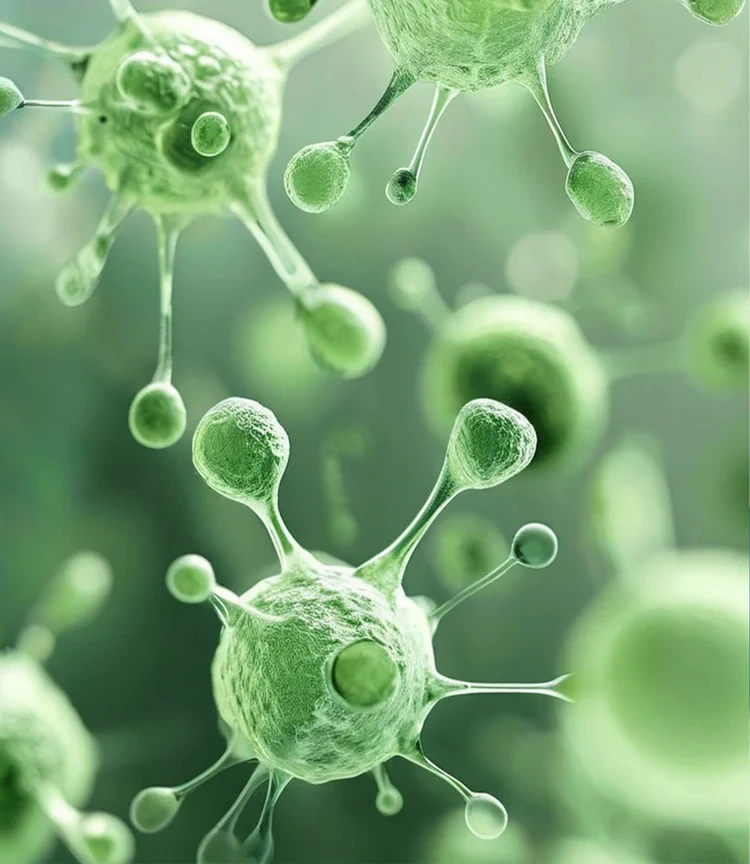
Natural Killer Cells are a type of white blood cell that belongs to the lymphocyte family. Their main role is to detect and eliminate virus-infected cells, damaged cells, and cancerous cells.
They are called “natural” because they do not require training or antibodies to recognize harmful cells. They can identify abnormal behavior in cells and take action instantly.
How Do Natural Killer Cells Work?
NK cells constantly monitor the body’s cells. Healthy cells display specific markers that signal safety. When a cell loses these markers due to infection or abnormal changes, Natural Killer Cells recognize it as a threat.
Once a harmful cell is detected, NK cells release special proteins called perforins and granzymes.
These substances:
- Create tiny openings in the target cell
- Trigger programmed cell death
- Stop the spread of infection or abnormal growth
This process protects the body without harming healthy tissue.
Why Are Natural Killer Cells Important?
Natural Killer Cells play a critical role in:
- Fighting viral infections
- Controlling early cancer development
- Regulating immune balance
- Preventing abnormal cell growth
- Supporting overall immunity
They help the immune system respond quickly and effectively, reducing the risk of severe illness.

Natural Killer Cells and Cancer Defense
One of the most powerful functions of NK cells is their ability to recognize and destroy cancer cells. Cancer cells often lack the protective surface markers found on normal cells, making them easier for NK cells to identify.
Studies suggest that strong NK cell activity is linked to better immune surveillance and lower cancer risk. These cells can:
- Slow tumor growth
- Prevent cancer spread
- Support other immune responses
This makes Natural Killer Cells an important focus in immune and regenerative wellness.
How to Support Natural Killer Cell Activity
NK cell function can be influenced by lifestyle and health habits. Supporting immune health helps these cells work more effectively.
Key factors that improve NK cell performance:
1. Proper Sleep
Good sleep helps regulate immune cell production and activity.
2. Balanced Nutrition
Vitamins like D, C, zinc, and antioxidants support immune strength.
3. Stress Management
Chronic stress weakens immune responses, including NK cell activity.
4. Regular Exercise
Moderate physical activity boosts immune circulation and function.
5. Immune Wellness Therapies
Advanced regenerative approaches help support natural immune balance.
Natural Killer Cells in Regenerative Medicine
Modern regenerative medicine focuses on strengthening the body’s natural healing systems. NK cell-based research aims to enhance immune performance rather than replace it.
In immune wellness programs, Natural Killer Cells help:
- Improve immune regulation
- Remove damaged cells
- Support tissue repair
- Enhance recovery
This approach aligns with the holistic wellness philosophy promoted by Rehealth, where immune strength and regeneration work together for better health.
Learn more at: https://rehealth.com/
Immune Balance and Long-Term Health
A strong immune system does more than fight infections. It also supports:
- Healthy aging
- Inflammation control
- Faster recovery
- Disease prevention
- Cellular repair
Natural Killer Cells help maintain this balance by targeting harmful cells while protecting healthy ones.
Future of Natural Killer Cell Research
Scientists continue to study ways to improve NK cell function through:
- Enhanced activation methods
- Longer cell lifespan
- Better tumor recognition
- Improved immune coordination
As research advances, Natural Killer Cells may play an even bigger role in personalized medicine and immune-based therapies.
Why Immune Health Matters Today
Modern lifestyles expose people to stress, pollution, poor diet, and infections. These factors can weaken the immune system over time.
Strengthening Natural Killer Cells helps:
- Reduce illness risk
- Improve energy levels
- Support faster healing
- Maintain overall wellness
A proactive immune care approach supports long-term health and vitality.
Frequently Asked Questions (FAQ)
What are Natural Killer Cells?
They are immune cells that destroy infected and abnormal cells.
What do NK cells do?
They protect the body from viruses and cancer.
How do NK cells work?
They release proteins that cause harmful cells to self-destruct.
Can NK cells fight cancer?
Yes, they can recognize and kill cancer cells.
How can NK cell activity be improved?
Through healthy lifestyle and immune wellness support.
Final Thoughts
Natural Killer Cells are one of the body’s strongest immune defenders. Their ability to detect and destroy harmful cells quickly makes them essential for disease prevention and long-term health.
By supporting NK cell function through healthy habits and immune-focused wellness, the body becomes more resilient and better prepared to handle health challenges.
For advanced immune and regenerative wellness solutions, visit
https://rehealth.com/
A stronger immune system begins with empowering your Natural Killer Cells.


Sign in to leave a comment.