
Transforming an outdoor space requires a solid understanding of the fundamentals of landscape design. It\'s not just about creating a visually appealing environment, but also a functional one. By comprehending the principles of design, individuals can harness the potential of their outdoor areas, ensuring a purposeful and aesthetically pleasing environment.
1. Sustainable Landscaping
In modern landscaping, sustainability is a guiding principle. Sustainable landscaping involves incorporating native plants, efficient irrigation methods, and eco-friendly materials. This commitment to sustainability benefits not only the immediate outdoor space but also contributes to broader environmental health. By embracing sustainable practices, individuals can create landscapes that harmonize with nature, fostering a balance between human intervention and ecological sensitivity.
2. Precision in Drainage:
Landscape drainage is often underestimated but holds the key to a flourishing outdoor space. A knowledge-driven approach to landscape drainage involves analyzing the terrain and understanding the nuances of soil composition, slope dynamics, and water runoff patterns. By mastering the science of landscape drainage, individuals can implement tailored solutions that prevent water-related issues and enhance the resilience and longevity of the outdoor environment.
3. Techniques for Efficient Water Flow
Grading, as a crucial aspect of landscape drainage, becomes an art when approached with a knowledge-driven mindset. Understanding the topography of the land allows for strategic reshaping, directing water away from vulnerable areas. This knowledge empowers individuals to adopt efficient grading techniques, ensuring optimal water flow and safeguarding against issues like waterlogging and erosion.
4. Science-Based Approach to Plant Nourishment
Efficient watering is a science that goes beyond generic irrigation systems. A knowledge-driven approach to customized irrigation systems considers the unique needs of different plants and the specific characteristics of the terrain. By embracing scientific principles, individuals can design irrigation solutions that not only nurture the landscape but also conserve water resources.
5. The Synergy of Hardscape and Softscape:
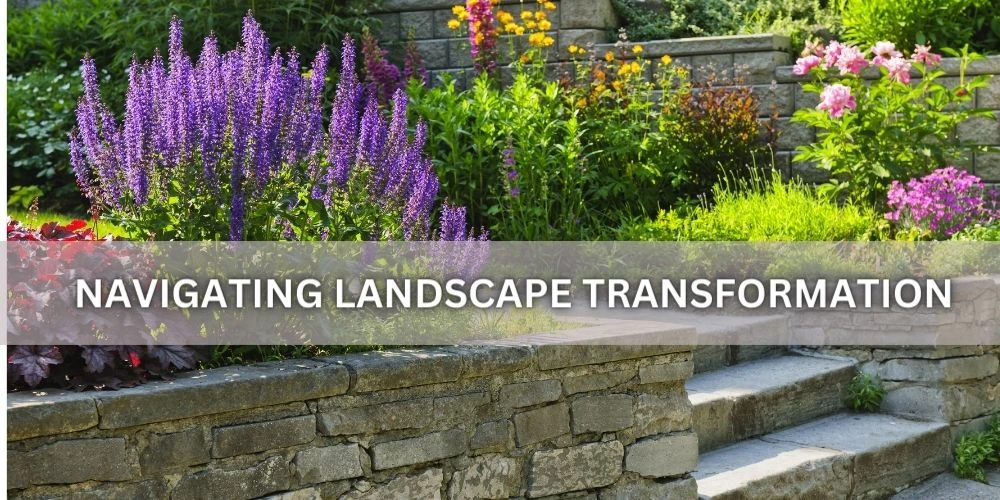
A comprehensive knowledge of hardscape and softscape elements is crucial for achieving a harmonious outdoor space. This involves integrating features like patios, walkways, and decks with the organic beauty of greenery. By acknowledging the synergy between hardscape and softscape, individuals can create landscapes that are not only visually appealing but also functionally cohesive.
Conclusion:
In conclusion, transforming an outdoor space into a haven requires more than aesthetic sensibility—it demands knowledge. A knowledge-driven perspective empowers individuals to make informed decisions about landscape design, sustainability, drainage, irrigation, and the integration of hardscape and softscape elements.
Read More: How To Make Money Blogging in 2022 ( Your Complete Guide )











Sign in to leave a comment.