

Introduction
Relapse unsettles even the staunchest resolve. One moment the compass points true north; the next it spins, disoriented, under mounting magnetic disturbance. Still, the journey is salvageable. Acknowledging the slip, decoding its impetus, and recommitting to structured care can redirect momentum swiftly. This article explores those pivotal pivots.
Breaking the Cycle of Despair
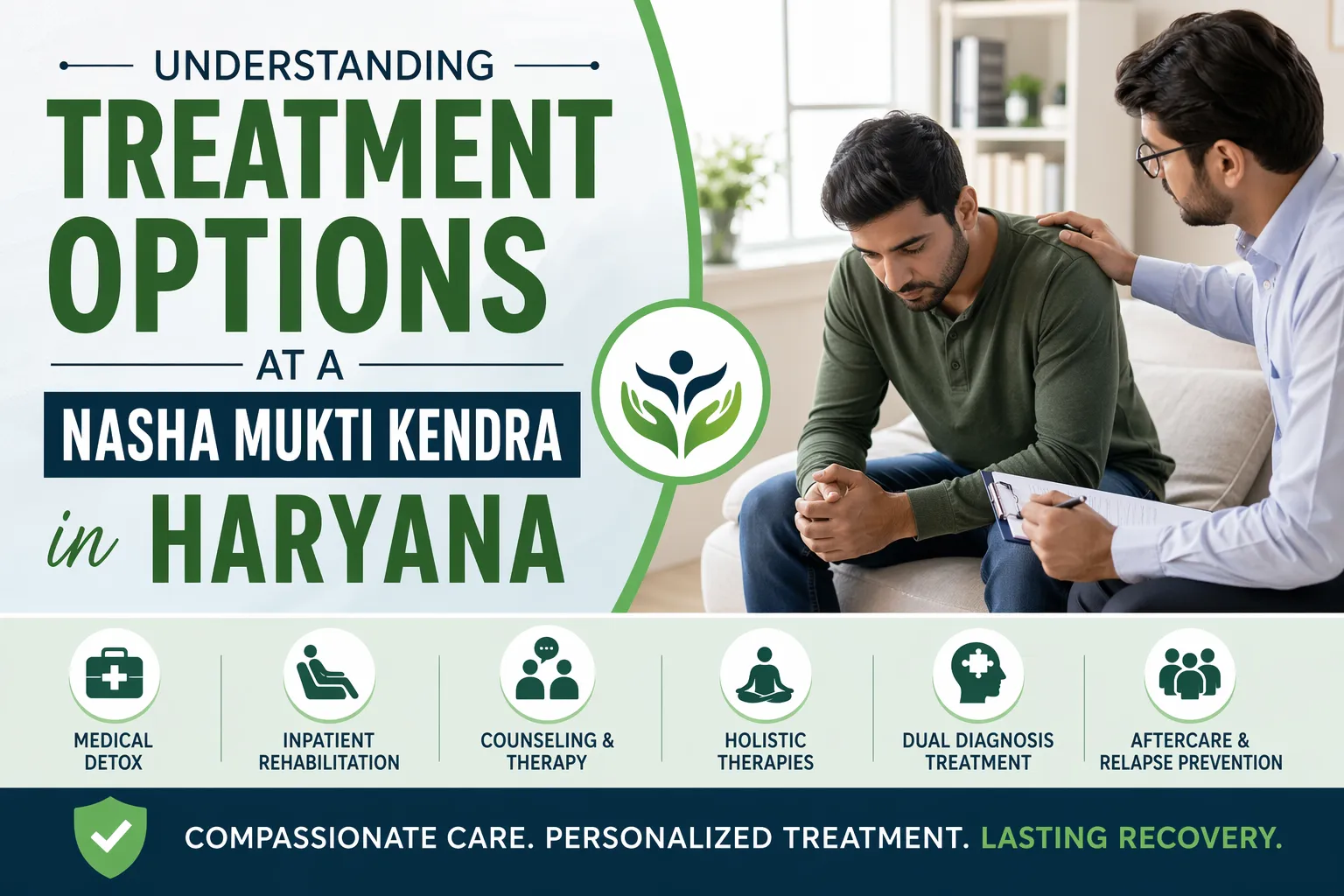
Recovering from substance dependency begins with acknowledging the problem and seeking structured help. A range of options exists, from inpatient rehabilitation to outpatient counseling and medication-assisted programs. Drug Addiction Treatment often combines behavioral therapy, medical support, and ongoing aftercare to address both physical dependence and psychological triggers. Support groups and individual therapy also play a critical role in rebuilding confidence and restoring relationships damaged by addiction. Long-term recovery demands commitment, patience, and resilience, but with professional guidance and a strong support network, individuals can reclaim control of their lives and move toward a future free from substance misuse.
Relapse Is Not Failure: Redefining the Setback
Language shapes perception. Branding relapse as a catastrophic defeat can incubate shame, eroding self‑efficacy. Instead, frame it as data—a diagnostic flare exposing unmet needs. Recovery is an iterative, spiraled ascent, not a linear escalator. Each misstep, properly appraised, refines strategy and fortifies insight. Compassionate reframing extinguishes self‑recrimination and primes the mind for recalibration.
Internal Catalysts: Emotional and Cognitive Turbulence
Unresolved affect often skulks beneath surface urges. Surges of dysphoria, cresting anxiety, or numb anhedonia may stealthily coerce a return to substance use. Cognitive distortions—catastrophizing, black‑and‑white thinking, learned helplessness—amplify that emotional static. Mindfulness‑based relapse prevention, dialectical behavior skills, and meta‑cognitive journaling help individuals transmute raw affect into decipherable signals. Short sentence: Feel, name, diffuse.
External Catalysts: Environmental and Social Pressures
Sensory residues linger. The clink of ice in a glass, the neon flicker above an old bar, or the convivial coaxing of “just one” can resurrect conditioned cravings with alacrity. Geographic cures rarely hold if social cartography remains unchanged. Strategic environmental engineering—altering daily routes, purging paraphernalia, cultivating substance‑free micro‑environments—dampens these associative echoes. Equally critical is social pruning: releasing corrosive relationships while grafting supportive bonds through peer groups and family psycho‑education.
The First 48‑Hour Recovery Blueprint
Time is elastic yet unforgiving in the immediate aftermath. Within two days, neurochemical upheaval peaks, self‑judgment festers, and clandestine use can escalate. A decisive triage plan curbs that spiral. Step one: disclose the lapse to a trusted ally or clinician, shattering secrecy. Step two: restore physiological equilibrium—hydrate aggressively, stabilize sleep, ingest nutrient‑dense fare. Step three: schedule an urgent session with one’s counselor or physician to adjust the care protocol. Each step is simple, almost terse, yet collectively potent.
Therapeutic Interventions That Re‑Anchor Progress
Contemporary treatment operates as a menu rather than a monolith. Medication‑assisted therapies such as buprenorphine‑naloxone recalibrate opioid receptors, while naltrexone modulates dopaminergic reward. Cognitive‑behavioral therapy remaps maladaptive schemas; meanwhile, acceptance and commitment therapy fosters psychological flexibility. For trauma‑laden histories, eye‑movement desensitization and reprocessing may attenuate visceral flashbacks that often precipitate use. Integrated care ensures pharmacologic, psychologic, and social vectors converge, creating a multidimensional safety net.
Lifestyle Realignment and Aftercare Continuum
Sobriety thrives in rhythm—circadian, communal, experiential. Embedding exercise rituals, chrononutrition, and contemplative practices like yoga nidra stabilizes neuroendocrine circuits. Vocational re‑engagement provides purpose and predictability. Digital relapse‑prevention apps, wielding geofencing and mood‑tracking algorithms, offer real‑time prompts when risk spikes. Regular alumni check‑ins, whether in‑person or virtual, sustain accountability long after formal treatment concludes. Gradually, recovery metamorphoses from a guarded project into a seamless lifestyle architecture.
Conclusion
Relapse is a perturbation, not a terminus. When interpreted through a lens of curiosity rather than condemnation, it illuminates vulnerabilities while spotlighting latent strengths. Prompt disclosure, evidence‑based interventions, and proactive lifestyle recalibration transform the detour into a dynamic learning juncture. Each renewed stride testifies to resilience, affirming that the path—though winding—remains unequivocally navigable.































Sign in to leave a comment.