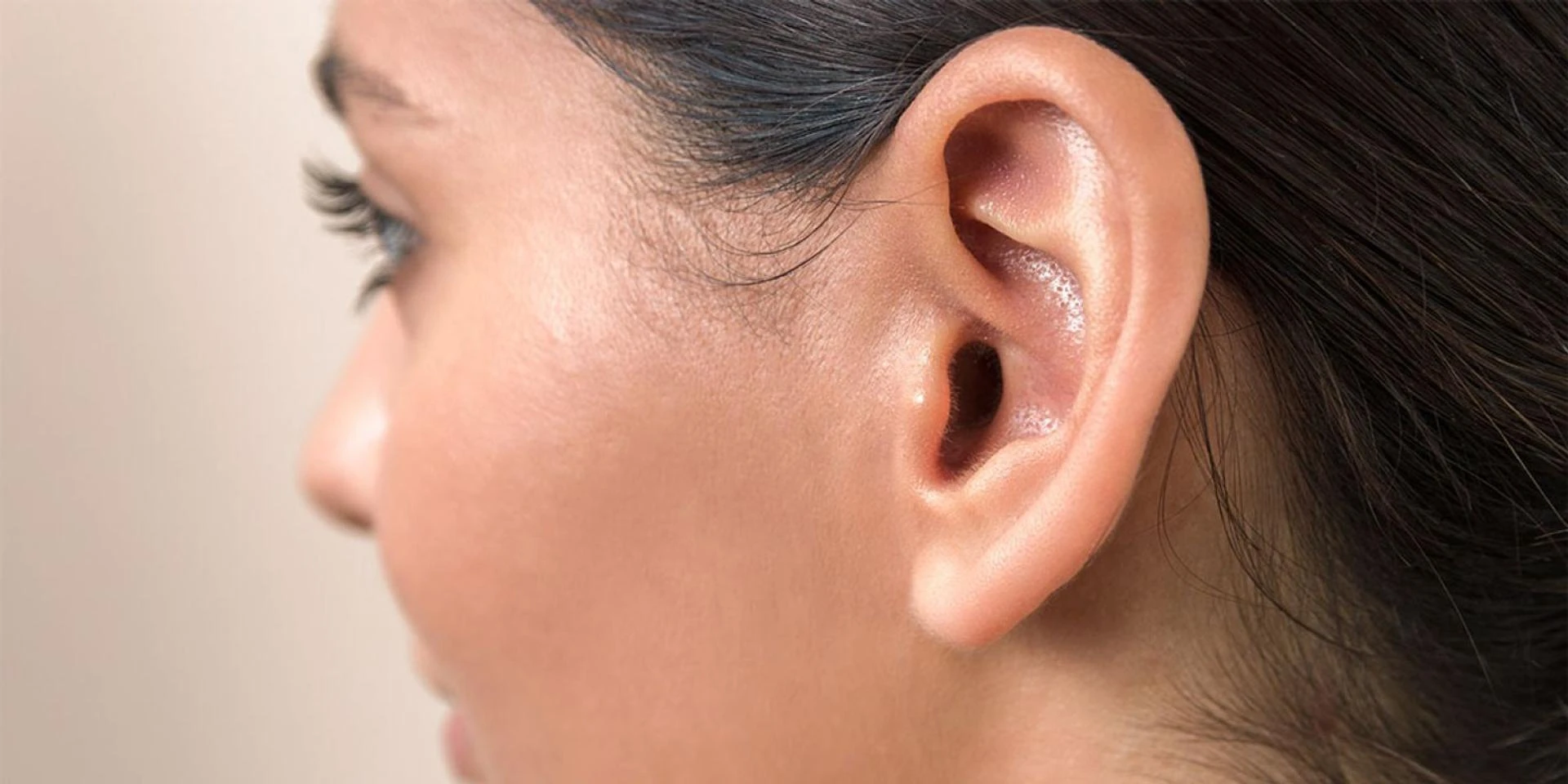

Earwax, medically known as cerumen, is a natural substance produced by glands in the ear canal. Its primary role is to protect the ear from dust, microorganisms, and foreign particles, while also providing lubrication. However, when earwax accumulates excessively or becomes impacted, it can lead to discomfort, hearing loss, and other complications. This article delves into the causes, symptoms, and effective management strategies for problematic earwax.
Understanding Earwax Accumulation
Causes of Excessive Earwax
The production of earwax varies from person to person and can be influenced by several factors, including:
Genetics: Some people naturally produce more earwax.Age: Elderly individuals often experience more earwax problems due to the hardening of the wax.Ear Structure: Narrow or oddly shaped ear canals can hinder earwax expulsion.Lifestyle and Environment: Use of earphones, hearing aids, and exposure to dusty environments can contribute to buildup.Symptoms of Earwax Impaction
Recognizing the signs of excessive earwax is crucial for timely intervention. Common symptoms include:
Hearing Loss: Partial hearing loss, which might be gradual.Earache: Discomfort or pain in the affected ear.Tinnitus: Ringing or buzzing sounds in the ear.Itchiness and Discharge: Itching inside the ear canal and occasional discharge.Managing Earwax Buildup
Home Remedies
Initial steps to manage earwax at home include:
Over-the-counter Ear Drops: Designed to soften the wax, facilitating its natural expulsion.Warm Water Irrigation: Gently flushing the ear with warm, distilled water can help remove softened wax.It's important to avoid inserting objects like cotton swabs into the ear canal, as this can push the wax deeper and cause impaction.
When to See a ear wax removal doctor
Professional medical intervention is recommended when:
Symptoms Persist: If home remedies don't alleviate the problem.Severe Symptoms: Intense pain, significant hearing loss, or vertigo.Suspected Infection: Signs of infection, such as fever or severe swelling.Professional Earwax Removal
Medical practitioners may employ various methods for earwax removal:
Microsuction: A gentle vacuum to remove the wax.Ear Irrigation: A more controlled and powerful flushing method than home irrigation.Manual Removal: Using specialized tools under direct visualization.Prevention Strategies
To prevent excessive buildup of earwax, consider the following tips:
Minimize Earphone Use: Reducing the use of in-ear headphones can help.Ear Protection in Dusty Environments: Wearing ear protection in dusty settings can prevent debris accumulation.Regular Cleaning: Wiping the outer ear with a damp cloth can help maintain cleanliness without impacting the ear canal.Conclusion
Earwax, while a natural and essential substance for ear health, can become problematic when it accumulates excessively. Understanding its causes, recognizing the symptoms, and knowing how to manage it effectively are crucial for maintaining good ear health. Home remedies can be effective for mild cases, but professional medical advice is essential for severe or persistent issues. Preventive measures, such as regular ear hygiene and minimizing factors that contribute to buildup, can help in maintaining optimal ear health.











Sign in to leave a comment.