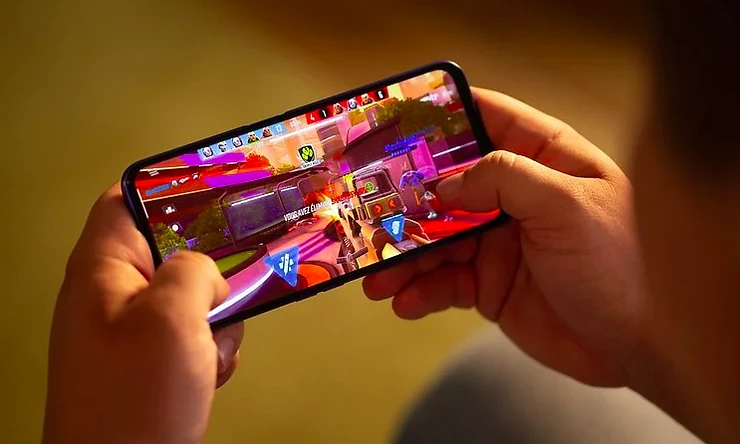

In the vibrant landscape of digital entertainment, mobile game development stands as a beacon of innovation and creativity. With billions of smartphone users worldwide, the demand for engaging and immersive games continues to skyrocket, making mobile game development a dynamic and lucrative field. This article delves into the intricacies of mobile game development, exploring its evolution, key challenges, and the future trends shaping this exciting industry.
Evolution of Mobile Gaming
Mobile gaming has come a long way since the days of simple pixelated games like Snake and Tetris. The advent of smartphones with advanced processing capabilities, high-definition displays, and intuitive touchscreens revolutionized the gaming experience. Developers seized this opportunity to create sophisticated games that rival traditional console and PC titles in terms of graphics and gameplay depth.
The early 2000s saw the rise of Java and Flash-based games, paving the way for mobile gaming\'s initial foray into mainstream popularity. However, it was the launch of Apple\'s App Store in 2008 and Google Play in 2012 that truly catapulted mobile gaming into a global phenomenon. These platforms provided developers with unprecedented access to a vast audience and monetization opportunities through in-app purchases and advertisements.
Key Components of Mobile Game Development
1. Game Design and Conceptualization
At the heart of every successful mobile game lies a compelling concept and well-thought-out design. Game designers brainstorm ideas, create storylines, and develop game mechanics that resonate with their target audience. Whether it\'s a puzzle game that challenges players\' problem-solving skills or an action-packed adventure game, meticulous planning during the initial stages sets the foundation for a game\'s success.
2. Development Process
Mobile game development typically involves several stages, including programming, artwork creation, and sound design. Developers use specialized software development kits (SDKs) and game engines like Unity or Unreal Engine to streamline the coding process and ensure compatibility across different mobile devices. The iterative nature of development allows for testing and refining gameplay mechanics and graphics to enhance user experience.
3. Monetization Strategies
Monetization is a crucial aspect of mobile game development, enabling developers to generate revenue while offering most games for free. Common monetization strategies include in-app purchases, where players can buy virtual goods or unlock additional levels, and advertisements, which can be displayed between gameplay sessions. Balancing monetization with user experience is key to fostering player retention and maximizing revenue potential.
Challenges in Mobile Game Development
While the prospects of mobile game development are promising, developers face several challenges that require careful navigation:
1. Device Fragmentation
Unlike consoles or PCs, mobile devices vary significantly in hardware specifications, screen sizes, and operating systems. Developers must optimize their games to ensure smooth performance across a wide range of devices without compromising on visual quality or gameplay experience.
2. Market Saturation
With thousands of new games released each month, standing out in the crowded app stores poses a significant challenge. Successful games often rely on effective marketing strategies, positive reviews, and word-of-mouth recommendations to gain traction and attract a loyal player base.
3. Technical Constraints
Mobile platforms impose limitations on memory usage, processing power, and network connectivity, which can constrain the scope and complexity of game development. Balancing innovation with technical feasibility is crucial to delivering a seamless gaming experience on mobile devices.
Future Trends in Mobile Game Development
Looking ahead, several trends are poised to shape the future of mobile game development:
1. Augmented Reality (AR) and Virtual Reality (VR)
AR and VR technologies hold the potential to transform mobile gaming by creating immersive and interactive experiences. Games like Pokémon GO have already demonstrated the appeal of AR, allowing players to interact with virtual characters in real-world environments.
2. Cloud Gaming
Cloud gaming services enable players to stream high-quality games directly to their mobile devices, eliminating the need for expensive hardware upgrades. This approach promises to expand access to console-quality gaming experiences on smartphones and tablets.
3. Artificial Intelligence (AI)
AI-powered technologies can enhance gameplay by providing personalized recommendations, adaptive difficulty levels, and realistic non-player character (NPC) behavior. Integrating AI into mobile games can create more dynamic and engaging experiences for players.
Conclusion
Mobile game development continues to thrive as a dynamic and evolving industry, driven by technological advancements and changing consumer preferences. From indie developers to established studios, the opportunity to create innovative and memorable gaming experiences on smartphones and tablets has never been greater. By embracing creativity, leveraging emerging technologies, and understanding the nuances of mobile platforms, developers can navigate the complexities of game development and contribute to the ever-expanding world of digital entertainment.
As mobile devices evolve and consumer expectations continue to rise, the future of mobile game development holds limitless possibilities for innovation and growth. Whether you\'re a seasoned developer or aspiring to enter this exciting field, staying informed about industry trends and embracing new technologies will be key to success in shaping the next generation of mobile gaming experiences.




























Sign in to leave a comment.