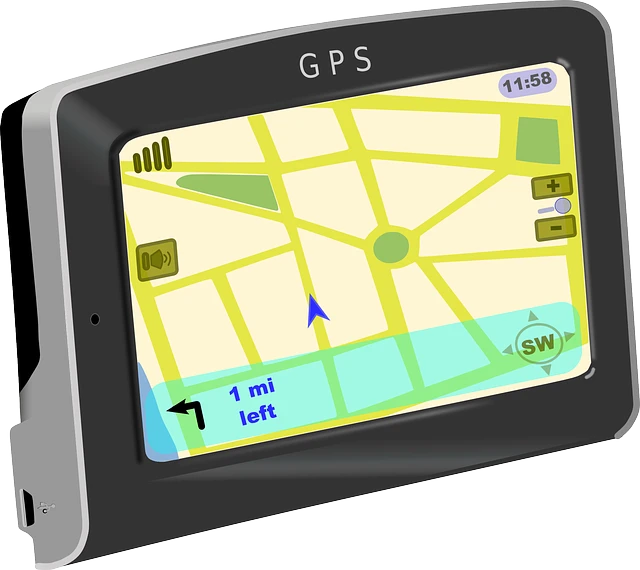

In today's fast-paced world, technology has transformed the way we navigate and interact with the world around us. One such groundbreaking technology that has revolutionized navigation and tracking is the GPS (Global Positioning System) Tracking System. Originally developed for military applications, GPS has found its way into our daily lives, enhancing various industries and improving the way we move, track assets, and ensure safety. In this blog post, we will explore the power of GPS Tracking Systems, their applications in different fields, and the numerous benefits they bring to businesses and individuals alike.
Understanding GPS Tracking System:
GPS Tracking System is a network of satellites orbiting the Earth, constantly sending signals to GPS receivers on the ground. By triangulating signals from multiple satellites, GPS receivers can accurately determine their location, speed, and time. The information obtained from the GPS satellites is then used to track the movement of vehicles, assets, and even individuals equipped with GPS-enabled devices.
How GPS Tracking Systems Work:
GPS Tracking Systems work on a simple yet highly sophisticated principle. GPS satellites send signals containing the satellite's location and the precise time the signal was transmitted. The GPS receiver on the ground receives these signals from multiple satellites and calculates the distance between each satellite and the receiver based on the time it took for the signals to arrive.
By using trilateration, the GPS receiver can pinpoint its exact location by determining where the circles representing the distance from each satellite intersect. With signals from at least four satellites, the GPS receiver can accurately calculate latitude, longitude, altitude, speed, and heading.
Applications of GPS Tracking System:
Vehicle Tracking and Fleet Management: GPS Tracking Systems have revolutionized fleet management by enabling businesses to monitor their vehicles in real-time. Fleet managers can track the location of their entire fleet, optimize routes, monitor driver behavior, and ensure timely deliveries. This improves efficiency, reduces fuel consumption, and lowers operational costs.
Personal Navigation: GPS technology has become an integral part of personal navigation devices and smartphone applications. It guides users with turn-by-turn directions, points of interest, and real-time traffic updates, making navigation convenient and stress-free.
Asset Tracking: GPS Tracking Systems are invaluable for tracking valuable assets such as construction equipment, trailers, and cargo. By providing real-time location data, businesses can prevent theft, optimize asset utilization, and enhance overall security.
Emergency Response and Safety: GPS Tracking Systems play a vital role in emergency response and safety services. Emergency responders can quickly locate accident sites or lost individuals, ensuring timely assistance and potentially saving lives.
Sports and Fitness: GPS-enabled fitness devices allow athletes and fitness enthusiasts to track their workouts, monitor performance, and analyze their progress over time.
Benefits of GPS Tracking System:
Enhanced Safety: GPS Tracking Systems improve safety by providing real-time information about vehicle locations and driving behavior. Businesses and individuals can identify unsafe driving habits and take corrective action to prevent accidents.
Increased Efficiency: With optimized routes and better asset utilization, GPS Tracking Systems enhance efficiency by reducing travel time and fuel consumption.
Improved Accountability: In fleet management, GPS tracking fosters accountability among drivers. They know their activities are being monitored, leading to improved adherence to schedules and better driving practices.
Cost Savings: GPS Tracking Systems result in cost savings through fuel efficiency, reduced maintenance costs, and improved asset management.
Better Customer Service: By providing accurate delivery estimates and real-time tracking, businesses can offer better customer service, building trust and loyalty with their clients.
Privacy and Ethical Considerations:
While GPS Tracking Systems offer significant benefits, it is essential to address privacy and ethical concerns. Balancing the need for monitoring with respect for individuals' privacy rights is crucial, and transparent communication about tracking policies is vital.
Conclusion:
GPS Tracking Systems have transformed the way we navigate and track assets in both personal and business contexts. From efficient fleet management to enhancing safety and optimizing routes, GPS technology has become an indispensable tool across various industries. As technology continues to evolve, GPS Tracking Systems will undoubtedly play an even more significant role in shaping the future of navigation, safety, and efficiency. Embracing this powerful technology empowers businesses and individuals to navigate the world with confidence and security, unlocking endless possibilities for the future.






Sign in to leave a comment.