
Introduction
Change is an inevitable aspect of organizational growth and adaptation, yet managing it effectively remains a significant challenge for many businesses. In today's rapidly evolving landscape, the ability to navigate change with agility and resilience is paramount for long-term success. This blog delves into the realm of change management solutions, exploring strategies, best practices, and tools to facilitate smooth transitions and foster organizational excellence.
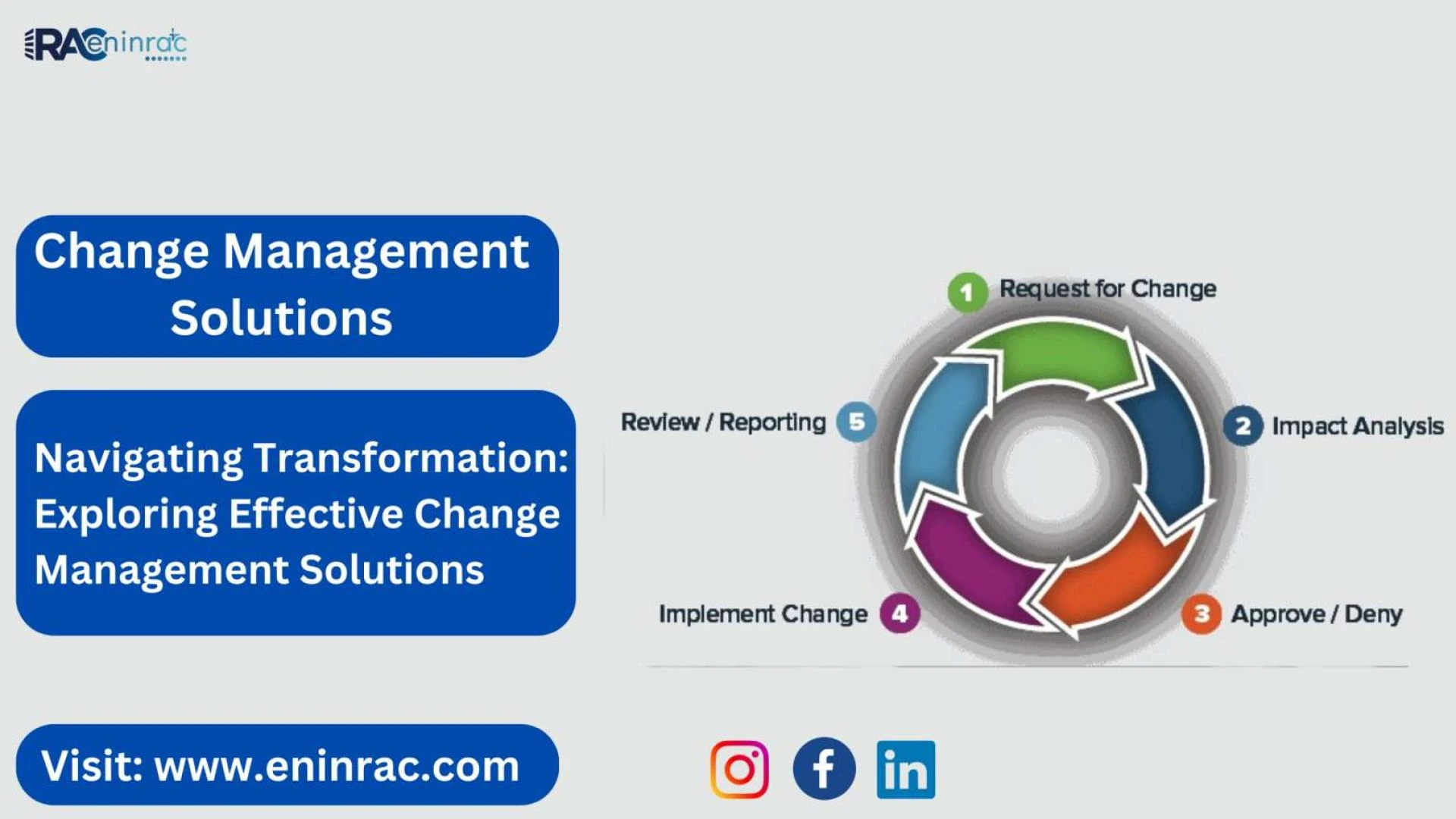
Understanding Change Management: Change management encompasses a structured approach to transitioning individuals, teams, and organizations from current states to desired future states. Whether driven by internal initiatives, market forces, or external disruptions, effective change management is essential for minimizing resistance, mitigating risks, and maximizing the benefits of transformational efforts. At its core, change management involves a combination of leadership, communication, stakeholder engagement, and strategic planning.
Key Components of Change Management Solutions:
Leadership Alignment: Successful change initiatives require strong leadership commitment and alignment throughout the organization. Leaders must articulate a compelling vision, set clear objectives, and demonstrate unwavering support for the change process. By fostering a culture of accountability and empowerment, leaders can inspire confidence and motivate employees to embrace new ways of working.
Stakeholder Engagement: Engaging stakeholders at all levels is critical for building buy-in and fostering ownership of the change agenda. Effective communication channels, feedback mechanisms, and participatory decision-making processes facilitate dialogue and collaboration, enabling stakeholders to contribute insights, voice concerns, and champion the change effort within their respective domains.
Change Communication: Transparent, timely, and targeted communication is essential for managing uncertainty and building trust during periods of change. Communication plans should encompass diverse channels, messages, and formats tailored to the needs and preferences of different stakeholders. By articulating the rationale, objectives, and anticipated impacts of the change, organizations can foster understanding and alignment across the workforce.
Change Readiness Assessment: Assessing organizational readiness for change helps identify potential barriers, gaps, and areas for intervention. Through surveys, interviews, and diagnostic tools, change managers can gauge employee attitudes, skills, and readiness levels, informing tailored interventions to address resistance, build capabilities, and foster a positive change mindset.
Training and Development: Investing in employee training and development is essential for equipping individuals with the knowledge, skills, and tools needed to navigate change effectively. From technical skills training to leadership development programs, organizations should prioritize continuous learning and skill-building initiatives that align with the evolving needs of the workforce and the organization.
Change Champions Network: Establishing a network of change champions or ambassadors can amplify the impact of change initiatives by mobilizing grassroots support, driving awareness, and facilitating peer-to-peer learning and support. These change agents play a pivotal role in cascading key messages, addressing concerns, and fostering a culture of resilience and adaptability.
Performance Measurement and Feedback: Monitoring and evaluating the progress of change initiatives is essential for course correction, learning, and continuous improvement. Key performance indicators (KPIs), feedback mechanisms, and pulse surveys enable organizations to track outcomes, identify bottlenecks, and celebrate milestones, fostering accountability and reinforcing positive behaviors.
Continuous Improvement: Change management is an iterative process that requires adaptability, flexibility, and a commitment to continuous improvement. By soliciting feedback, learning from experiences, and refining approaches over time, organizations can build change capabilities and resilience, positioning themselves for sustained success in dynamic environments.
Case Studies and Best Practices: Throughout industries and sectors, numerous organizations have demonstrated excellence in change management, serving as benchmarks for others to emulate. Case studies highlighting successful change initiatives, best practices, and lessons learned can provide valuable insights and inspiration for organizations embarking on their change journeys.
Conclusion
In an era characterized by rapid technological advancements, evolving customer preferences, and global disruptions, effective change management has emerged as a strategic imperative for organizations seeking to thrive in turbulent times. By adopting a holistic approach encompassing leadership alignment, stakeholder engagement, communication, readiness assessment, training, change champions network, performance measurement, and continuous improvement, organizations can navigate change with confidence, resilience, and agility, unlocking new opportunities for growth, innovation, and competitive advantage.
More market research, advisory consulting services to discover
At Eninrac, we offer a wide range of, advisory consulting solutions, from We put ‘search' in research to help expand your business with ease. Discover all the possibilities now.



Sign in to leave a comment.