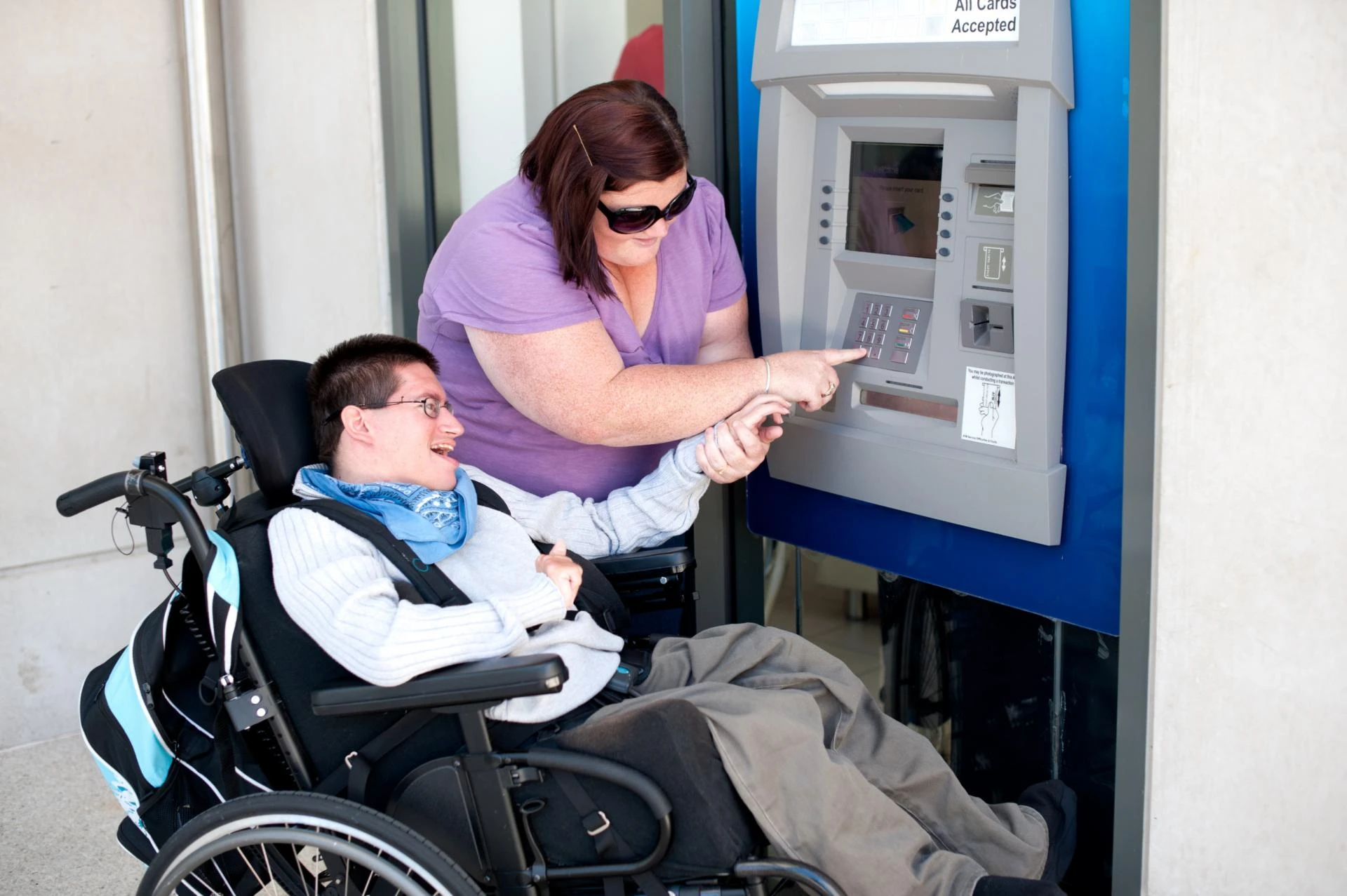

When it comes to the National Disability Insurance Scheme (NDIS), one of the most common questions participants ask is: what exactly does a disability support worker do and why are they so important? For many individuals living with a disability, support workers are more than just service providers — they are trusted companions, mentors and enablers of independence. But how can participants find the right NDIS disability support worker and what qualities should they look for?
What Is the Role of an NDIS Disability Support Worker?
An NDIS disability support worker provides personalised assistance tailored to the participant’s goals and daily needs. But what does that actually include?
- Personal Care – Help with hygiene, dressing, grooming and mobility.
- Household Assistance – Support with cooking, cleaning and everyday tasks.
- Community Participation – Transport and support to attend social events, classes or recreational activities.
- Skill Development – Guidance in building independence, such as budgeting, cooking or communication skills.
- Emotional Support – Offering companionship and encouragement to build confidence.
So, could it be said that the role of a disability support worker is not just about assistance, but also about empowerment?
Why Are Disability Support Workers So Essential in the NDIS Framework?
The NDIS is designed to give participants more choice and control. But how can those choices be achieved without the right people to support them? This is where disability support workers step in.
They provide the link between a participant’s plan and real-life outcomes. Without their dedication, many participants might find it challenging to access education, employment or even social opportunities. Isn’t that why choosing the right support worker is one of the most important decisions an NDIS participant can make?
How Do Participants Access NDIS Disability Support Workers?
Many participants ask: how does one actually hire or connect with a support worker under the NDIS?
- Registered Providers – Many organisations employ trained support workers and match them to participants.
- Self-Managed Plans – Participants can directly hire workers that suit their preferences.
- Support Coordinators – They often recommend reliable workers who fit the participant’s goals.
The right choice depends on whether a participant values flexibility, structure or a balance of both.
Why Is the Right Match So Important?
It’s not just about finding any worker; it’s about finding the right one. Imagine a participant needing encouragement to build social skills — wouldn’t they benefit most from someone outgoing and supportive? On the other hand, a participant requiring calm and structured assistance may thrive with someone patient and steady.
That’s why matching personalities, communication styles and goals is just as important as qualifications.
Final Thoughts
An NDIS disability support worker is more than a service provider — they are a partner in building independence, confidence and community connection. From personal care to skill development, their role is vital in helping participants achieve their goals under the NDIS.
So, the question remains: when choosing a support worker, how can participants ensure they find someone who doesn’t just support them, but truly empowers them to live the life they want?




























Sign in to leave a comment.