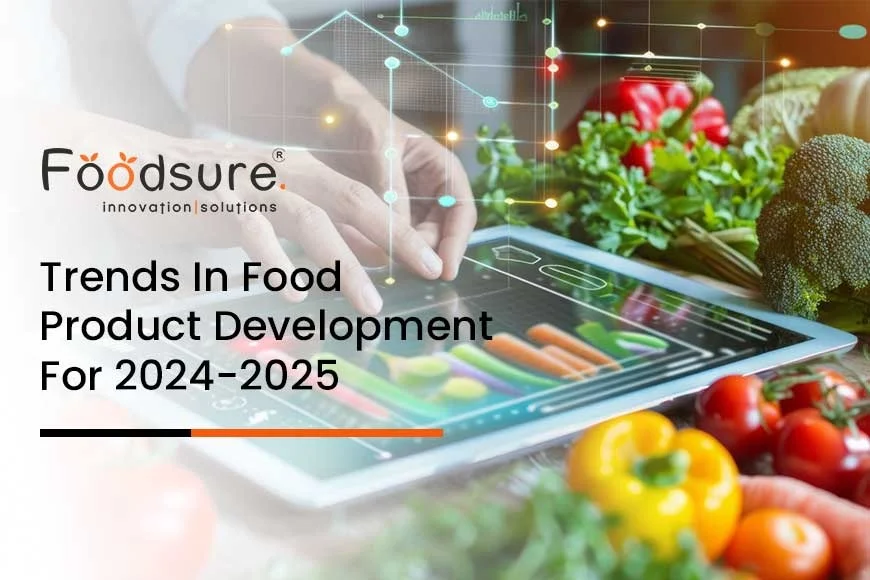
The food industry is in constant motion. Consumer preferences shift, new technologies emerge, and the demand for healthier, sustainable options grows stronger every day. In this dynamic environment, new food product development (NFPD) is not just about creating something new; it's about anticipating the future and crafting food experiences that resonate with evolving consumer needs.
What is New Food Product Development?
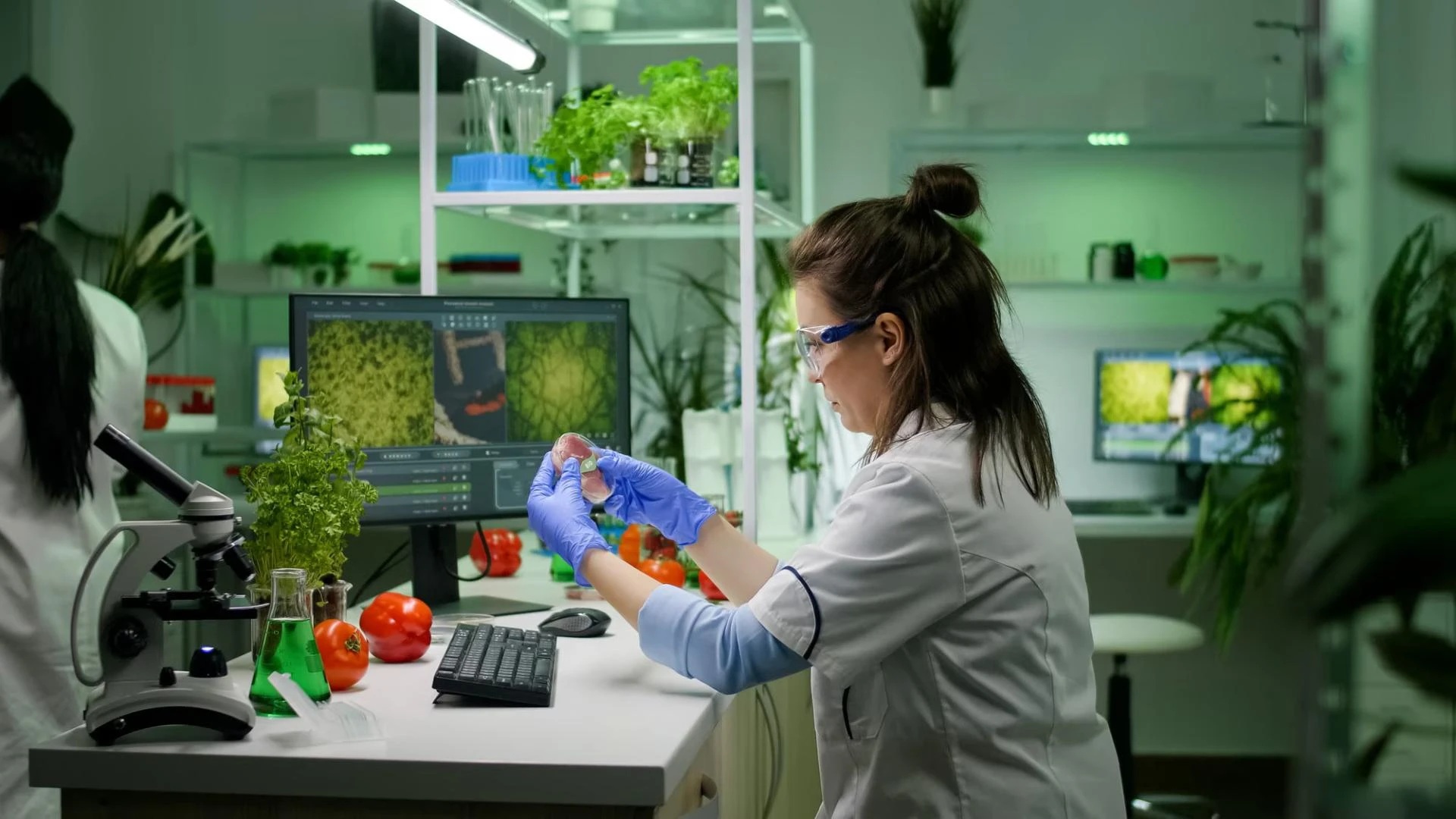
NFPD encompasses the entire process of bringing a new food product to market, from initial ideation to final launch. It's a multidisciplinary field, requiring expertise in food science, culinary arts, marketing, and regulatory affairs. The goal is to create products that are not only delicious and safe but also commercially viable and aligned with current market trends.
Key Trends Shaping NFPD in 2025:
Several key trends are driving innovation in the food industry. These trends offer exciting opportunities for developers looking to create the next big thing.
- Plant-Based Revolution: The demand for plant-based alternatives to meat, dairy, and seafood continues to surge. Consumers are seeking these options for health, environmental, and ethical reasons. Expect to see more innovative plant-based products, including gourmet plant-based meats, plant-based seafood, and plant-based dairy alternatives.
- Sustainability and Food Waste Reduction: Consumers are increasingly concerned about the environmental impact of their food choices. This is driving demand for sustainable packaging, reduced food waste, and products made with responsibly sourced ingredients. Food processing is emphasizing eco-friendly methods that reduce environmental impact. Techniques like freeze-drying, high-temperature short-time (HTST) processing, and aseptic packaging are transforming the industry.
- Health and Wellness Focus: The focus on health and wellness is stronger than ever. Consumers are seeking foods with functional benefits, such as added vitamins, minerals, probiotics, and adaptogens. Low-sugar options and natural sweeteners are also gaining popularity.
- Clean Labels and Minimal Processing: Consumers want to know what's in their food. This is driving demand for products with clean labels, minimal processing, and recognizable ingredients. New products focus on minimal processing, fewer ingredients, and "clean" labels, emphasizing natural and recognizable components.
- Smart Foods and AI Integration: Technology is playing an increasing role in NFPD. AI is being used to predict consumer tastes, optimize recipes, and even create personalized nutrition solutions.
- Alternative Proteins: Beyond plant-based, alternative proteins from insects, algae, and lab-grown sources are gaining traction as sustainable and ethical choices.
- Fermented Foods: Fermented foods, known for their gut health benefits and unique flavors, are experiencing a resurgence in popularity.
- Global Flavors: Consumers are becoming more adventurous with their palates, seeking out ethnic and global flavors.
The NFPD Process:
While the specifics may vary depending on the company and product, the NFPD process typically involves these key stages:
- Idea Generation: Identifying market opportunities and generating innovative product concepts.
- Concept Development: Refining the product idea, defining the target market, and conducting initial feasibility assessments.
- Recipe Formulation: Developing the actual recipe, selecting ingredients, and ensuring the product meets quality and safety standards.
- Prototyping and Testing: Creating prototypes, conducting sensory evaluations, and gathering consumer feedback.
- Packaging and Labeling: Designing packaging that is appealing, functional, and compliant with regulations.
- Scale-Up and Production: Transitioning from small-batch production to large-scale manufacturing.
- Market Launch: Introducing the new product to the market and monitoring its performance.
Challenges and Opportunities:
NFPD is not without its challenges. It requires significant investment, a deep understanding of consumer trends, and the ability to navigate complex regulatory requirements. However, the rewards can be substantial. Successful NFPD can lead to increased market share, brand loyalty, and significant revenue growth.
For businesses looking to thrive in the ever-evolving food industry, a commitment to innovation and a strategic approach to NFPD are essential. By staying ahead of the trends, embracing new technologies, and focusing on consumer needs, companies can create food products that not only nourish but also delight and inspire.



























Sign in to leave a comment.