

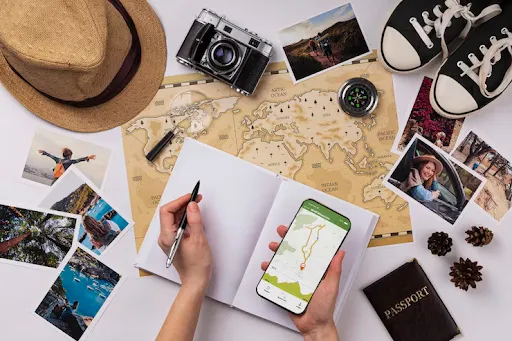
There's a reason New York City has inspired more songs, movies, and novels than almost any other place on earth. It's electric, overwhelming, and completely unforgettable — a city that somehow manages to be all things to all people. But navigating it? That's where a solid travel guide becomes your best friend.
Whether you're visiting for the first time or returning for the tenth, this guide will help you experience New York City with the depth and intention it deserves.
When to Visit New York City
New York is a year-round destination, but each season offers a different kind of magic:
- Spring (April–June): Mild temperatures, blooming Central Park, and lighter crowds before summer tourism peaks.
- Summer (July–August): Long days, outdoor concerts, rooftop bars, and a buzzing energy — but also heat and humidity.
- Fall (September–November): Arguably the best time to visit. Crisp air, brilliant foliage in Central Park, and the NYC Marathon in November.
- Winter (December–February): Ice skating at Rockefeller Center, holiday markets, and fewer crowds after Christmas. Cold, but magical.
Where to Stay
New York's neighborhoods each have a distinct character, and where you stay shapes your entire experience.
Midtown Manhattan is the classic choice for first-timers — central, convenient, and close to iconic attractions like Times Square and Central Park. It's also the most expensive.
Brooklyn (especially Williamsburg and DUMBO) offers a hipper, more local feel with excellent food, waterfront views of Manhattan, and lower hotel prices.
Lower East Side / East Village puts you near the best bars, vintage shops, and late-night eats in the city — perfect if nightlife is a priority.
Must-See Attractions
New York's attractions are legendary for a reason. A few essentials for any visit:
The High Line — an elevated linear park built on a former freight rail line, stretching through the West Side. Free to visit, beautiful year-round, and dotted with public art.
The Metropolitan Museum of Art — one of the world's greatest museums, housing nearly two million works across 5,000 years of human history. Budget at least half a day.
Brooklyn Bridge — walk across it early in the morning for stunning skyline views and avoid the midday crowds.
One World Observatory — the views from the 102nd floor of One World Trade Center are unparalleled and deeply moving.
Smorgasburg — New York's famous open-air food market in Brooklyn, running on weekends from April through October. A must for food lovers.
Where to Eat and Drink
New York's food scene is genuinely world-class. A few neighborhood highlights:
- Little Italy / Nolita for classic Italian and excellent espresso
- Flushing, Queens for the best dim sum and authentic East Asian cuisine outside of Asia
- Chelsea Market for artisanal food vendors and locally made goods
- The East Village for an almost overwhelming density of excellent, affordable restaurants
Following Your New York Travel Guide
The best way to approach a New York travel guide is to resist the urge to over-schedule. New York rewards wandering. Some of the best experiences come from ducking into a tiny gallery on the Lower East Side, stumbling upon a free jazz performance in Washington Square Park, or following the smell of freshly baked bagels to a neighborhood institution.
Build one anchor activity per half-day — a museum, a neighborhood walk, a restaurant reservation — and let the city fill in the rest.
Getting Around
New York's subway system runs 24 hours a day, seven days a week, and it is the fastest and cheapest way to get around. An OMNY card or MetroCard gives you unlimited rides within the city. Avoid taxis and rideshares during rush hour (7–9 AM and 5–8 PM) when midtown traffic can be punishing.
For shorter distances, walking is often faster and always more rewarding.
Final Word
New York City is not a place you check off a list — it's a place you keep returning to, discovering something new with every visit. Be present, be curious, and be willing to be surprised. The city will take care of the rest.





















Sign in to leave a comment.