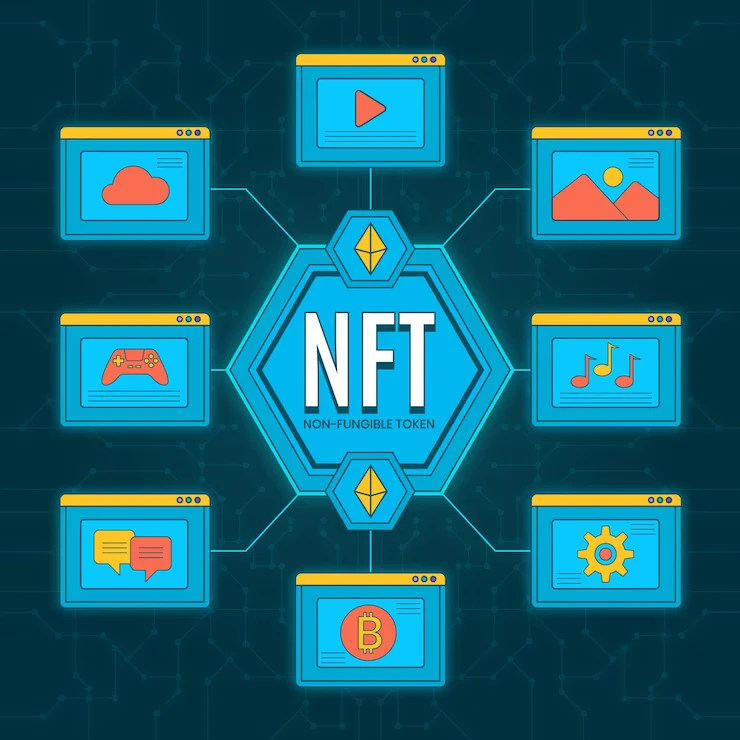

Introduction to NFT Marketplaces and Digital Collectibles
In recent years, Non-Fungible Tokens (NFTs) have emerged as a groundbreaking technology, revolutionizing the way we perceive and interact with digital assets. At the heart of this revolution lies the concept of NFT marketplaces and digital collectibles. NFTs are unique digital tokens that are stored on a blockchain, providing irrefutable proof of ownership and authenticity for digital assets. NFT marketplaces serve as online platforms where these digital collectibles can be bought, sold, and traded among collectors and enthusiasts. Digital collectibles encompass a wide range of items, including digital art, virtual real estate, virtual fashion, in-game items, and more. With NFT marketplaces, individuals can now own and trade these unique digital assets, unlocking new possibilities for creators, collectors, and enthusiasts alike. This intersection of technology, creativity, and ownership has opened up a world of opportunities, redefining the way we think about and engage with digital content. Whether you're an artist looking to monetize your work, a collector searching for rare and valuable digital items, or simply curious about the potential of NFTs and digital collectibles, exploring the realm of NFT marketplaces is an exciting journey into the future of digital ownership and expression.
Understanding the Concept of Digital Collectibles
Digital collectibles, also known as virtual or digital assets, are unique and indivisible items that exist solely in digital form. They can take various forms, including artwork, trading cards, virtual real estate, virtual fashion, in-game items, music, videos, and more. What sets digital collectibles apart is their association with Non-Fungible Tokens (NFTs). NFTs provide a way to establish verifiable ownership, provenance, and scarcity for these digital items by leveraging blockchain technology.
Unlike traditional collectibles that are physical and tangible, digital collectibles exist in the digital realm and can be easily reproduced. However, NFTs solve the issue of digital scarcity by creating a unique token that represents a specific digital item. Each NFT has a unique identifier and metadata that includes information about the asset's characteristics, ownership history, and other relevant details.
Digital collectibles offer several advantages over their physical counterparts. They are easily transferable, allowing for seamless buying, selling, and trading experiences within NFT marketplaces. Additionally, they can be easily accessed and displayed in virtual galleries or online platforms, reaching a global audience.
Creators and artists benefit from digital collectibles as they gain greater control over their work and can receive royalties through smart contracts embedded in NFTs. Collectors, on the other hand, have the opportunity to own and showcase unique digital assets, often accompanied by bragging rights and the potential for future value appreciation.
While some may question the inherent value of digital collectibles, their appeal lies in the intersection of technology, art, and the growing digital landscape. They provide a means for expressing creativity, engaging with a global community, and exploring new frontiers of ownership and digital commerce. As the market for digital collectibles continues to evolve, it opens up exciting possibilities for creators, collectors, and enthusiasts to participate in the digital economy and shape the future of digital ownership.
The Evolution of NFTs in the World of Digital Collectibles
The evolution of NFTs in the world of digital collectibles has been nothing short of remarkable. While the concept of digital assets and virtual goods has been around for quite some time, the introduction of NFT development has revolutionized the way we perceive, trade, and interact with these digital items.
The journey began with the emergence of blockchain technology, specifically Ethereum, which introduced the concept of non-fungible tokens. NFTs provided a unique solution to the long-standing challenge of establishing digital ownership and scarcity. By leveraging blockchain's decentralized and immutable nature, NFTs became the missing link between the digital and physical worlds.
Initially, NFTs gained traction in the world of digital art. Artists realized the potential of NFTs to authenticate and monetize their digital creations. NFT-based art quickly captured the attention of both the art community and the mainstream media. High-profile sales and collaborations, such as Beeple's record-breaking auction at Christie's, showcased the transformative power of NFTs.
As NFTs gained momentum, they expanded beyond art to various other realms of digital collectibles. Sports trading cards, virtual real estate in virtual worlds, virtual fashion items, and even music albums started being tokenized as NFTs. This broader adoption led to the emergence of specialized NFT marketplaces that catered to specific types of digital collectibles.
The evolution of NFTs also brought attention to the concept of programmability. Smart contracts embedded within NFTs allowed for royalty distributions to creators, automatic secondary sales commissions, and other customizable features. This innovation empowered creators, enabling them to earn ongoing revenue from the success of their digital collectibles.
Furthermore, collaborations between traditional brands and NFT marketplaces became increasingly common. This crossover between the physical and digital worlds bridged the gap between traditional collectors and the emerging NFT ecosystem. Established companies and celebrities started exploring NFTs as a new medium for engaging with their fan bases and reaching a global audience.
As the technology continues to evolve, challenges such as environmental impact, scalability, and accessibility are being addressed. Layer-2 solutions and alternative blockchains are being developed to alleviate congestion and reduce transaction costs associated with NFTs.
Looking ahead, the evolution of NFTs in the world of digital collectibles shows no signs of slowing down. The boundaries of what can be tokenized and collected digitally continue to be pushed, and new opportunities for creators, collectors, and investors emerge regularly. With each innovation and adoption milestone, NFTs solidify their position as a transformative force in the digital realm, unlocking new possibilities for ownership, creativity, and economic empowerment.
Exploring the Potential of NFT Marketplaces for Digital Collectibles
NFT marketplaces hold immense potential for the world of digital collectibles, offering a range of opportunities and benefits for creators, collectors, and enthusiasts alike. Let's explore some of the key potentials of NFT marketplaces in the realm of digital collectibles:
Global Reach and Accessibility: NFT marketplaces transcend geographical boundaries, allowing creators to showcase their digital collectibles to a global audience. Likewise, collectors can access a vast array of unique digital assets from artists around the world. This global reach and accessibility unlock new avenues for exposure, collaboration, and discovery.Direct Engagement and Monetization for Creators: NFT marketplaces enable artists, musicians, game developers, and other content creators to directly engage with their audience and monetize their digital creations. By tokenizing their work as NFTs, creators can retain ownership, establish verifiable authenticity, and receive royalties from primary and secondary sales. This direct creator-to-collector interaction eliminates intermediaries, empowering artists to have greater control over their work and financial opportunities.Scarcity and Value Appreciation: NFTs inherently possess scarcity and uniqueness due to their tokenization on the blockchain. This scarcity contributes to the perceived value of digital collectibles, making them sought-after by collectors. NFT marketplaces provide a platform for collectors to acquire and trade these unique assets, potentially leading to value appreciation over time. The transparency of blockchain technology enhances trust and confidence in the provenance and ownership history of these collectibles.Community Engagement and Social Interactions: NFT marketplaces foster vibrant communities of creators and collectors. These platforms facilitate interactions through comments, likes, and even collaborations. Communities can provide feedback, support, and recognition, creating a sense of belonging and fostering a thriving ecosystem. Social features such as chat forums, events, and virtual galleries further enhance the sense of community and connection within NFT marketplaces.Gamification and Virtual Experiences: NFT marketplaces can integrate gamification elements, turning the act of collecting digital assets into an interactive and immersive experience. This can include badges, achievements, leaderboards, and rewards for active participation. Additionally, NFTs can be used as in-game assets or unlock exclusive content, enhancing the gaming experience and blurring the lines between digital collectibles and virtual worlds.Expansion to Various Industries: The potential of NFT marketplaces extends beyond art and gaming. Industries such as fashion, music, sports, and entertainment are embracing NFTs as a means to engage with their audiences, offer exclusive digital merchandise, and establish new revenue streams. This diversification of digital collectibles widens the scope of opportunities within NFT marketplaces.Future Innovations and Integration: NFT marketplaces are still in their early stages, and we can expect continuous innovation and integration with emerging technologies. Integration with virtual reality (VR) and augmented reality (AR) can enhance the immersive experience of digital collectibles. Additionally, advancements in blockchain scalability and sustainability will address current limitations, allowing for greater adoption and participation.In conclusion, NFT marketplace development have the potential to revolutionize the world of digital collectibles. They provide creators with new avenues for monetization and audience engagement, while collectors gain access to unique and verifiable digital assets. With their global reach, community-building capabilities, and potential for future innovations, NFT marketplaces are unlocking exciting possibilities for the future of digital collectibles.
How NFTs Are Revolutionizing the Collectibles Industry
NFTs are revolutionizing the collectibles industry in profound ways, bringing about a paradigm shift in how we perceive, value, and engage with collectible items. Here are some key ways in which NFTs are transforming the collectibles industry:
Authenticity and Ownership: NFTs utilize blockchain technology to establish verifiable authenticity and ownership of digital collectibles. This solves the longstanding challenge of proving the uniqueness and provenance of digital assets. With NFTs, collectors can have irrefutable proof of ownership and trace the entire history of a collectible, ensuring its legitimacy.Digital Scarcity and Value: NFTs introduce the concept of digital scarcity to the collectibles industry. By creating limited editions or unique digital items, NFTs imbue these assets with inherent value. Collectors can now acquire rare and exclusive digital collectibles, which can appreciate in value over time due to their scarcity and demand.Direct Engagement with Creators: NFTs enable direct interaction between collectors and creators. Artists, musicians, and other creators can tokenize their work as NFTs and sell them directly to collectors on NFT marketplaces. This bypasses traditional intermediaries, giving creators more control over their creations and allowing for direct engagement, collaboration, and monetization.New Revenue Streams for Creators: NFTs provide creators with new avenues for monetizing their talent and creativity. Through smart contracts, creators can earn royalties every time their NFT is sold or traded in the secondary market. This ongoing revenue stream ensures that creators can benefit from the success and value appreciation of their digital collectibles beyond the initial sale.Democratization of Collecting: NFTs democratize the collecting experience by removing barriers to entry. Traditional collecting often requires significant financial resources and connections. With NFTs, collectors of all backgrounds can participate in the digital collectibles market, allowing for a more inclusive and diverse community of collectors.Enhanced Interactivity and Utility: NFTs offer more than just static digital assets. They can incorporate programmability, allowing for dynamic and interactive experiences. NFTs can serve as access passes, granting holders exclusive perks or privileges within virtual worlds or digital platforms. This adds utility and enhances the overall value proposition of digital collectibles.Preservation and Conservation: Traditional collectibles are subject to degradation, loss, or damage over time. NFTs, being stored on the blockchain, provide a secure and permanent record of ownership. This ensures that digital collectibles can be preserved and enjoyed for generations to come, without the risk of physical deterioration.Expansion into New Collectibles Categories: NFTs are not limited to a specific category of collectibles. They have expanded into various industries such as art, music, sports, gaming, virtual real estate, and more. This broadens the scope of collectibles, opening up new possibilities for collectors and attracting enthusiasts from different domains.In summary, NFTs are revolutionizing the collectibles industry by introducing authenticity, digital scarcity, direct engagement, and new revenue streams. They are reshaping how we value, trade, and experience collectible items, fostering a more inclusive and dynamic collecting ecosystem. With the potential for further innovation and integration, NFTs are poised to continue transforming the collectibles industry in exciting and unprecedented ways.
The Role of Blockchain Technology in Digital Collectibles
Blockchain technology plays a pivotal role in the realm of digital collectibles by providing a transparent, secure, and decentralized infrastructure. Here are some key roles that blockchain technology fulfills in the context of digital collectibles:
Authenticity and Provenance: Blockchain technology ensures the authenticity and provenance of digital collectibles. Each digital collectible is represented by a unique token known as a Non-Fungible Token (NFT), which is stored on the blockchain. The blockchain acts as an immutable ledger, recording the ownership history and transaction details of each NFT. This transparent and tamper-proof record establishes the verifiable authenticity and provenance of the digital collectible.Ownership and Transferability: Blockchain enables the secure ownership and transfer of digital collectibles. NFTs utilize blockchain's decentralized nature, ensuring that ownership records are stored across multiple nodes in the network, making it nearly impossible to alter or manipulate. As a result, collectors have irrefutable proof of ownership and can easily transfer their NFTs to others without the need for intermediaries.Scarcity and Rarity: Blockchain technology enables the creation of scarce and unique digital assets. By designating a limited supply or creating one-of-a-kind NFTs, blockchain introduces scarcity to the digital collectibles market. Collectors can now acquire rare and exclusive items, knowing that the supply is limited and verified through the blockchain. This scarcity contributes to the perceived value of digital collectibles.Smart Contracts and Royalties: Blockchain's programmability allows for the implementation of smart contracts within NFTs. Smart contracts are self-executing agreements with predefined rules. In the context of digital collectibles, smart contracts enable creators to earn royalties automatically whenever their NFTs are sold or traded in the secondary market. This feature ensures that creators can continue to benefit from the success and value appreciation of their digital collectibles.Interoperability and Compatibility: Blockchain technology promotes interoperability among different platforms and marketplaces. By adhering to common standards such as ERC-721 or ERC-1155 (Ethereum-based NFT standards), NFTs can be seamlessly transferred and traded across various compatible platforms. This interoperability enhances liquidity, accessibility, and the overall value proposition of digital collectibles.Community and Governance: Blockchain-based digital collectibles often have associated communities and governance structures. Collectors and creators can participate in community initiatives, vote on proposals, and shape the direction of the ecosystem. Blockchain's decentralized nature ensures that decision-making power is distributed among the participants, fostering a sense of ownership and community involvement.Transparency and Trust: Blockchain technology brings transparency and trust to the digital collectibles market. The public nature of blockchain ensures that ownership records and transaction histories are available for scrutiny. This transparency minimizes the risk of counterfeit or fraudulent collectibles, as the authenticity and ownership of each item can be easily verified by anyone with access to the blockchain.In summary, blockchain technology plays a vital role in digital collectibles by ensuring authenticity, enabling secure ownership and transferability, introducing scarcity, facilitating automated royalties, promoting interoperability, fostering community engagement, and providing transparency and trust. It is the underlying foundation that powers the innovative and transformative potential of digital collectibles within the broader digital ecosystem.
Benefits of NFT Marketplaces for Digital Collectibles
NFT marketplaces offer numerous benefits for the buying, selling, and trading of digital collectibles. Here are some key advantages of NFT marketplaces in the context of digital collectibles:
Global Reach and Accessibility: NFT marketplaces provide a platform for creators to showcase their digital collectibles to a global audience. This global reach eliminates geographical limitations and enables collectors from around the world to discover and acquire unique digital assets. It also allows creators to gain exposure and recognition on an international scale.Direct Interaction between Creators and Collectors: NFT marketplaces facilitate direct engagement between creators and collectors. Artists, musicians, game developers, and other content creators can interact with their audience, receive feedback, and build a community around their digital collectibles. This direct interaction fosters a deeper connection and appreciation for the art and creativity behind the collectibles.Transparent and Secure Transactions: NFT marketplaces leverage blockchain technology, ensuring transparency and security in transactions. The blockchain acts as a decentralized and immutable ledger, recording all ownership transfers and transaction details. This transparency eliminates the risk of counterfeit or fraudulent collectibles, as the entire ownership history is verifiable and publicly accessible.Secondary Market Opportunities: NFT marketplaces provide a thriving secondary market for digital collectibles. Collectors can easily buy, sell, or trade their NFTs with other enthusiasts, fostering liquidity and allowing for the discovery of rare and sought-after items. The secondary market opens up possibilities for collectors to diversify their collections and participate in value appreciation.Revenue Generation for Creators: NFT marketplaces enable creators to monetize their digital collectibles beyond the initial sale. Through the use of smart contracts, creators can earn royalties on secondary market transactions. This ongoing revenue stream ensures that creators can continue to benefit from the success and popularity of their collectibles, creating sustainable income opportunities.Community and Engagement: NFT marketplaces foster a vibrant community of collectors, creators, and enthusiasts. These platforms often provide social features such as comment sections, forums, and chat functionalities, allowing for interaction, discussion, and collaboration. The community aspect creates a sense of belonging, shared interest, and collective appreciation for digital collectibles.Curated Discoverability: NFT marketplaces often feature curated collections and trending sections, helping collectors discover new and exciting digital collectibles. These platforms employ algorithms and curation mechanisms to highlight popular or noteworthy items, enhancing the discoverability and exposure of both established and emerging creators.Flexibility and Diversification: NFT marketplaces support a wide range of digital collectibles across various categories such as art, music, gaming, virtual real estate, and more. This diversity allows collectors to explore different genres and expand their collections based on personal interests and preferences. It also provides creators with opportunities to showcase their work in different formats and mediums.In summary, NFT marketplaces offer global reach, direct interaction, transparent transactions, secondary market opportunities, revenue generation for creators, community engagement, curated discoverability, and flexibility for collectors and creators in the realm of digital collectibles. These marketplaces have revolutionized the way digital collectibles are bought, sold, and valued, creating a dynamic and thriving ecosystem for enthusiasts to participate in.
NFT Marketplaces as Platforms for Artists and Content Creators
NFT marketplaces have emerged as powerful platforms for artists and content creators, providing them with new opportunities to showcase their work, engage with their audience, and monetize their creativity. Here are some key benefits of NFT marketplaces for artists and content creators:
Direct Engagement with Fans: NFT marketplaces enable artists and content creators to establish direct connections with their fans and audience. They can interact with collectors, receive feedback, and build a community around their work. This direct engagement fosters a deeper connection and appreciation for the art, enhancing the overall fan experience.Increased Visibility and Exposure: NFT marketplaces offer artists and content creators a global stage to showcase their work. These platforms attract a wide range of collectors and enthusiasts, providing exposure to a diverse audience. Artists can gain visibility beyond traditional gallery or distribution channels, reaching art lovers and fans from around the world.Monetization and Revenue Generation: NFT marketplaces present new avenues for artists and content creators to monetize their work. By tokenizing their creations as NFTs, artists retain ownership and can earn revenue from primary sales. Additionally, through the use of smart contracts, they can receive royalties on secondary market transactions, ensuring ongoing income streams.Control over Intellectual Property: NFT marketplaces empower artists and content creators to maintain control over their intellectual property. By tokenizing their work on the blockchain, they establish verifiable authenticity and traceability. This reduces the risk of unauthorized reproduction or distribution, protecting the rights and value of their creations.Elimination of Intermediaries: NFT marketplaces bypass traditional intermediaries, allowing artists and content creators to directly sell their work to collectors. This eliminates the need for galleries, agents, or publishers, providing artists with greater control and autonomy over their creative process and financial outcomes.Exploration of New Artistic Mediums: NFT marketplaces encourage artists and content creators to explore new mediums and formats. They offer a platform for the sale of digital art, music, videos, virtual reality experiences, and more. This opens up new possibilities for artistic expression and experimentation, allowing creators to push boundaries and engage with technology in innovative ways.Access to New Revenue Streams: NFT marketplaces provide artists and content creators with access to additional revenue streams beyond traditional sales. For example, they can offer limited editions, special editions, or bundled content. They can also collaborate with other artists or brands to create unique collections or cross-promotions, further expanding their reach and revenue potential.Recognition and Validation: NFT marketplaces serve as a platform for artists and content creators to gain recognition and validation for their work. Collectors and enthusiasts can express their appreciation through likes, comments, and support. The transparent nature of blockchain technology ensures that the achievements and success of artists are verifiable and visible to the wider community.In summary, NFT marketplaces provide artists and content creators with direct engagement, increased visibility, monetization opportunities, control over intellectual property, elimination of intermediaries, exploration of new mediums, access to new revenue streams, and recognition for their work. These platforms have opened up new avenues for artistic expression, empowering creators to connect with their audience and monetize their creativity in innovative and meaningful ways.
NFT Marketplaces and the Role of Community in Collecting
NFT marketplaces have created a vibrant community-driven ecosystem that plays a significant role in the world of collecting. Here are some key aspects highlighting the role of community in collecting within NFT marketplaces:
Shared Interests and Passion: NFT marketplaces bring together collectors who share a common interest and passion for digital collectibles. Whether it's art, music, gaming, or other categories, these communities allow enthusiasts to connect with like-minded individuals who appreciate and understand the value of these assets. This shared passion fosters a sense of belonging and camaraderie among community members.Collaboration and Co-creation: NFT marketplaces encourage collaboration and co-creation within the community. Artists, musicians, and content creators often collaborate with each other or with collectors to produce unique and exclusive digital collectibles. These collaborations enhance the value and desirability of the collectibles, while also fostering a spirit of creativity and innovation within the community.Knowledge Sharing and Education: Community members in NFT marketplaces actively share their knowledge and expertise about different collectibles. They engage in discussions, share insights, and provide guidance to newcomers or collectors seeking information. This knowledge-sharing culture helps educate individuals about the intricacies of collecting and the nuances of specific digital collectibles.Discoverability and Curation: Community participation plays a crucial role in the discoverability and curation of digital collectibles. Within NFT marketplaces, community members often curate collections, create lists, and highlight noteworthy or emerging artists and creators. These curation efforts assist collectors in discovering new and exciting collectibles, driving attention and exposure to talented artists.Feedback and Support: The community serves as a source of feedback and support for artists and creators. Artists can receive constructive criticism, suggestions, and appreciation from their community members, helping them improve their craft and gain confidence in their work. Similarly, collectors can provide feedback to creators, expressing their preferences and desires, which can influence the direction of future collectibles.Secondary Market Dynamics: The community dynamics within NFT marketplaces play a vital role in the secondary market. Collectors engage in buying, selling, and trading NFTs, shaping the supply and demand dynamics. Community sentiment, trends, and shared opinions can impact the perceived value and desirability of certain collectibles, driving market movements and creating opportunities for collectors.Community Governance and Decision-making: Some NFT marketplaces incorporate community governance models where participants have a say in platform decisions. Community members can vote on proposals, suggest improvements, and contribute to the overall governance of the marketplace. This participatory approach gives community members a sense of ownership and agency, allowing them to shape the direction and policies of the platform.Social Connections and Events: NFT marketplaces often host social events, virtual gatherings, and collaborations within the community. These events provide opportunities for collectors and creators to network, forge relationships, and deepen their connections beyond the digital space. The social aspect of the community enhances the overall experience of collecting, creating a sense of belonging and friendship.In summary, community plays a crucial role in NFT marketplaces, fostering a sense of shared interests, collaboration, knowledge-sharing, discoverability, feedback, support, secondary market dynamics, governance, and social connections. The community-driven nature of these platforms adds a layer of depth and engagement to the collecting experience, creating a thriving ecosystem where collectors and creators can come together to celebrate and appreciate digital collectibles.
The Impact of Digital Collectibles on the Gaming Industry
Digital collectibles have had a significant impact on the gaming industry, transforming the way players engage with games, monetize their in-game assets, and interact with the gaming community. Here are some key ways in which digital collectibles have influenced the gaming industry:
Ownership and Authenticity: Digital collectibles leverage blockchain technology to provide players with true ownership and authenticity of their in-game assets. By tokenizing these assets as Non-Fungible Tokens (NFTs), players have verifiable proof of ownership, allowing them to trade, sell, or transfer their items securely. This shift towards true ownership empowers players, as they have control over their virtual possessions.Value and Scarcity: Digital collectibles introduce scarcity and value to in-game assets. By creating limited edition or rare NFTs, game developers can increase the desirability and perceived value of these items. Players have the opportunity to acquire and collect exclusive digital assets, enhancing their sense of accomplishment and status within the gaming community.Monetization Opportunities: Digital collectibles open up new avenues for players to monetize their gaming experiences. With NFTs, players can sell or trade their virtual assets directly on secondary marketplaces, allowing them to earn real-world value from their in-game efforts. This provides an additional revenue stream for players, blurring the lines between gaming and entrepreneurship.Player-driven Economy: The introduction of digital collectibles has fostered a player-driven economy within the gaming industry. Players can now create, sell, or trade their own unique in-game items, independent of the game developers. This decentralized economy allows players to have a more active role in shaping the market and gives rise to a vibrant ecosystem of player-driven innovation and entrepreneurship.Enhanced Gaming Experience: Digital collectibles enhance the overall gaming experience by adding layers of customization and personalization. Players can acquire unique skins, accessories, or virtual items that reflect their individuality and style. These collectibles allow players to create a more personalized and immersive gaming experience, increasing their engagement and enjoyment.Collaboration and Cross-platform Integration: Digital collectibles promote collaboration and cross-platform integration within the gaming industry. NFTs can be used across multiple games or platforms, enabling interoperability and cross-game functionality. This allows players to carry their collectibles across different gaming experiences, fostering collaboration and interaction among diverse gaming communities.Community Engagement and Events: Digital collectibles drive community engagement and participation through events, competitions, and collaborative initiatives. Game developers can organize special events centered around collectibles, encouraging players to come together, showcase their rare items, and participate in community-driven activities. These events create a sense of excitement, exclusivity, and community bonding.New Revenue Streams for Developers: Digital collectibles provide game developers with additional revenue streams. By tokenizing in-game assets, developers can generate income from the initial sale of NFTs and earn royalties on subsequent transactions in the secondary market. This incentivizes developers to create unique and desirable collectibles, driving innovation and creativity within their games.In summary, digital collectibles have had a profound impact on the gaming industry by introducing ownership, value, monetization opportunities, player-driven economies, enhanced gaming experiences, collaboration, community engagement, and new revenue streams for developers. These innovations have transformed the relationship between players, developers, and virtual assets, creating a dynamic and evolving gaming landscape.
Conclusion
In conclusion, the rise of NFT marketplaces and digital collectibles has brought about a paradigm shift in various industries, including art, gaming, music, and more. These marketplaces have unlocked new possibilities and opportunities for creators, collectors, and enthusiasts alike.
Digital collectibles have revolutionized the way we perceive and interact with art, gaming assets, and other virtual items. The concept of true ownership through blockchain technology has empowered individuals to authenticate and trade their digital assets securely. This has given rise to a sense of value, scarcity, and exclusivity in the digital realm.
Furthermore, NFT marketplaces have provided platforms for artists and content creators to showcase their work to a global audience. They have allowed for direct engagement with fans and the ability to monetize their creations in ways previously unimaginable. The introduction of royalties on secondary market transactions has ensured ongoing revenue streams for creators, creating sustainable income opportunities.
In the gaming industry, digital collectibles have transformed the way players interact with games and monetize their in-game assets. Players now have true ownership of their virtual items, allowing them to trade or sell them directly on secondary marketplaces. This has led to the emergence of player-driven economies, collaboration among diverse gaming communities, and enhanced gaming experiences through customization and personalization.
The impact of digital collectibles extends beyond financial aspects. These platforms have fostered vibrant communities, where like-minded individuals come together to share their passions, knowledge, and support. Through community-driven curation and collaboration, collectors and creators have the opportunity to shape trends and drive the market.
Overall, NFT marketplaces and digital collectibles have unlocked a world of possibilities, creating a dynamic and thriving ecosystem where creativity, innovation, and community thrive. As these technologies continue to evolve, we can expect further advancements and disruptions across industries, fueling new avenues for expression, engagement, and monetization in the digital age.



Sign in to leave a comment.