

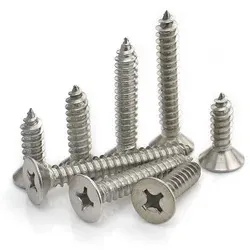
Choosing the right fastener can make a major difference in the strength, appearance, and durability of an assembly. Screws are used across construction, manufacturing, electrical work, machinery, and many other industries, but each application has different requirements. When corrosion resistance, easy installation, and dependable performance are important, Nickel Self Tapping Screws can be a practical fastening option.

What Are Nickel Self Tapping Screws?
Self-tapping screws are designed to create their own threads as they are driven into a suitable material. This feature can simplify installation and reduce the need for separate threading operations. Depending on the application, they can be used with materials such as metal, plastic, and other suitable substrates.
The nickel-plated finish adds another useful feature. It provides resistance against rust and corrosion, helping the fastener maintain its performance in environments where moisture or other challenging conditions may be present.
Key Benefits of Nickel-Plated Self-Tapping Screws
One of the biggest advantages of Nickel Self Tapping Screws is the convenience they offer during installation. Their thread design allows the screw to form threads as it enters the material, which can make fastening work faster and more straightforward.
Another benefit is corrosion resistance. A nickel-plated surface can provide an additional protective layer, making these screws useful for applications where exposure to moisture or environmental conditions is a concern.
Their flat-head design can also provide a neat finish when the screw is properly installed. This is particularly useful in assemblies where the appearance of the finished surface matters.
Precision is another important consideration.
Where Are They Used?
The versatility of Nickel Self Tapping Screws makes them suitable for a variety of industries. They can be useful in electrical equipment, machinery, electronics, manufacturing, and other applications where dependable fastening is required.
In electrical and electronic assemblies, compact and accurately sized screws can help secure components without adding unnecessary complexity to the assembly process. In machinery and manufacturing, reliable threads are important for maintaining a stable connection.
They can also be considered for maintenance and repair work. Having different screw sizes available makes it easier to select a fastener that matches the material thickness and installation requirements.
How to Choose the Right Screw
Selecting a screw should always begin with the requirements of the application. The material being fastened, required screw length, diameter, head style, and environmental conditions should all be considered.
For example, using a screw that is too short may not provide sufficient engagement, while an unnecessarily long screw may interfere with other components. The correct size helps achieve a secure and professional installation.
It is also important to consider the finish. If the fastener will be exposed to moisture or a potentially corrosive environment, choosing an appropriate protective finish can help support longer service life.
Choose a Reliable Fastening Partner
Whether you need screws for machinery, electrical equipment, manufacturing, repair work, or another suitable application, choosing the right specification is essential. Nickel Self Tapping Screws offer a useful combination of convenient installation, corrosion resistance, durability, and a clean finish.
















Sign in to leave a comment.