
Introduction
Lipomas are common benign tumors of adipose tissue, typically found just beneath the skin. While they are generally harmless and non-cancerous, their presence can be unsightly and cause discomfort. Traditional treatment for lipomas has involved surgical removal. However, many individuals seek non-surgical alternatives due to concerns about scarring, pain, and potential complications associated with surgery. This article will explore non-surgical approaches to lipoma treatment, focusing on their effectiveness, safety, and benefits.
Understanding Lipomas
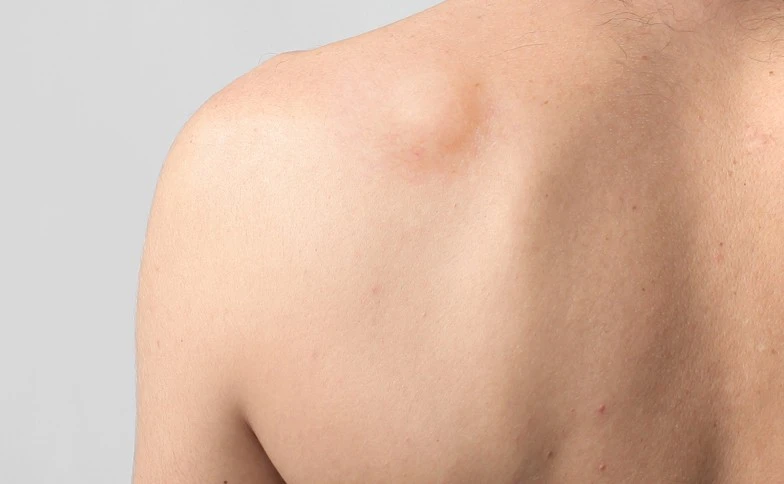
Before delving into non-surgical treatments, it's essential to understand what lipomas are and how they develop. Lipomas are soft, movable lumps composed of fat cells. They can occur anywhere on the body but are most commonly found on the neck, shoulders, back, and arms. Lipomas usually grow slowly over time and vary in size from a few millimeters to several centimeters in diameter.
The exact cause of lipoma formation is not fully understood, but several factors may contribute to their development, including genetics, trauma, and hormonal imbalances. Lipomas are typically painless and only require treatment if they become painful, continue to grow, or cause cosmetic concerns.
Non-Surgical Approaches to Lipoma Treatment
ObservationIn some cases, the best approach to managing lipomas is simply to monitor them. If a lipoma is small, painless, and not causing any cosmetic issues, a healthcare provider may recommend a "watch-and-wait" approach. Regular check-ups can ensure that the lipoma isn't growing rapidly or causing any complications. This non-interventional strategy is particularly suitable for elderly patients or those with multiple small lipomas.
Steroid InjectionsSteroid injections can be used to reduce the size of a lipoma or alleviate symptoms such as pain or discomfort. A healthcare provider will inject a corticosteroid directly into the lipoma, which can help shrink it over time. This approach may not eliminate the lipoma entirely, but it can make it less noticeable and relieve associated symptoms. Multiple injections may be required for optimal results.
LiposuctionLiposuction is a minimally invasive surgical procedure, but it's often considered a non-surgical option when compared to traditional open surgery. During liposuction, a small incision is made, and a thin tube (cannula) is inserted to suction out the fatty tissue within the lipoma. This method can effectively remove larger lipomas with minimal scarring and a shorter recovery period than traditional surgery.
Lipoma Dissolving InjectionsA newer non-surgical treatment option involves injecting a solution directly into the lipoma to dissolve the fat cells. These injections often contain enzymes or other substances that break down the fatty tissue over time. While this approach can be effective in reducing the size of the lipoma, it may require multiple injections and take several months to see noticeable results.
Herbal Remedies and Homeopathic TreatmentsSome individuals explore herbal remedies and homeopathic treatments for lipomas. Substances like Thuja occidentalis, also known as arborvitae, are sometimes used in topical applications or taken orally with the belief that they can shrink or eliminate lipomas. However, the efficacy of these treatments is largely anecdotal, and scientific evidence supporting their use is limited.
Weight ManagementMaintaining a healthy body weight through diet and exercise may help prevent the development of new lipomas and manage existing ones. While this approach won't eliminate existing lipomas, it can reduce the likelihood of new ones forming. Obesity and excessive weight gain have been associated with an increased risk of lipoma development, so weight management is an essential aspect of long-term lipoma care.
Benefits of Non-Surgical Lipoma Treatment
Non-surgical approaches to lipoma treatment offer several advantages over traditional surgical removal:
Minimal Scarring: Non-surgical methods typically result in smaller incisions or no incisions at all, leading to minimal scarring compared to open surgery.
Reduced Pain and Discomfort: Non-surgical treatments often involve less pain and discomfort during and after the procedure, making them more tolerable for patients.
Shorter Recovery Time: Recovery from non-surgical treatments is generally quicker than that of surgical procedures, allowing patients to return to their normal activities sooner.
Lower Risk of Complications: Non-surgical approaches carry a lower risk of complications, such as infection or excessive bleeding, which can occur with surgery.
No General Anesthesia: Most non-surgical methods can be performed under local anesthesia or without anesthesia, reducing the risks associated with general anesthesia.
Suitable for High-Risk Patients: Non-surgical treatments are often more appropriate for elderly or high-risk patients who may not be good candidates for surgery.
Limitations and Considerations
While non-surgical approaches to lipoma treatment offer several benefits, it's essential to recognize their limitations and considerations:
Effectiveness Varies: The effectiveness of non-surgical treatments may vary from one individual to another and depend on factors like the size, location, and type of lipoma.
Multiple Treatments may be Needed: Some non-surgical methods, such as steroid injections or lipoma dissolving injections, may require multiple sessions to achieve the desired results.
Risk of Recurrence: Non-surgical treatments may not eliminate lipomas entirely, and there is a risk of recurrence over time.
Cosmetic Outcomes: While non-surgical methods result in minimal scarring, there is still a risk of visible changes in the skin's appearance after treatment.
Cost: The cost of non-surgical treatments can add up, especially if multiple sessions are required, and insurance coverage may vary.
Consultation with a Healthcare Provider: It's crucial to consult with a healthcare provider to determine the most suitable treatment approach based on an individual's specific circumstances.
Conclusion
Non-surgical approaches to lipoma treatment offer viable options for individuals who wish to avoid the potential drawbacks of surgical removal. These methods, including observation, steroid injections, liposuction, lipoma dissolving injections, herbal remedies, and weight management, provide alternatives that prioritize minimal scarring, reduced pain, shorter recovery times, and lower risk of complications. However, it's essential to approach these treatments with realistic expectations, as the effectiveness may vary, and recurrence is possible. Consulting with a healthcare provider is the first step in determining the most appropriate non-surgical approach for managing lipomas while considering individual health and cosmetic concerns.







Sign in to leave a comment.