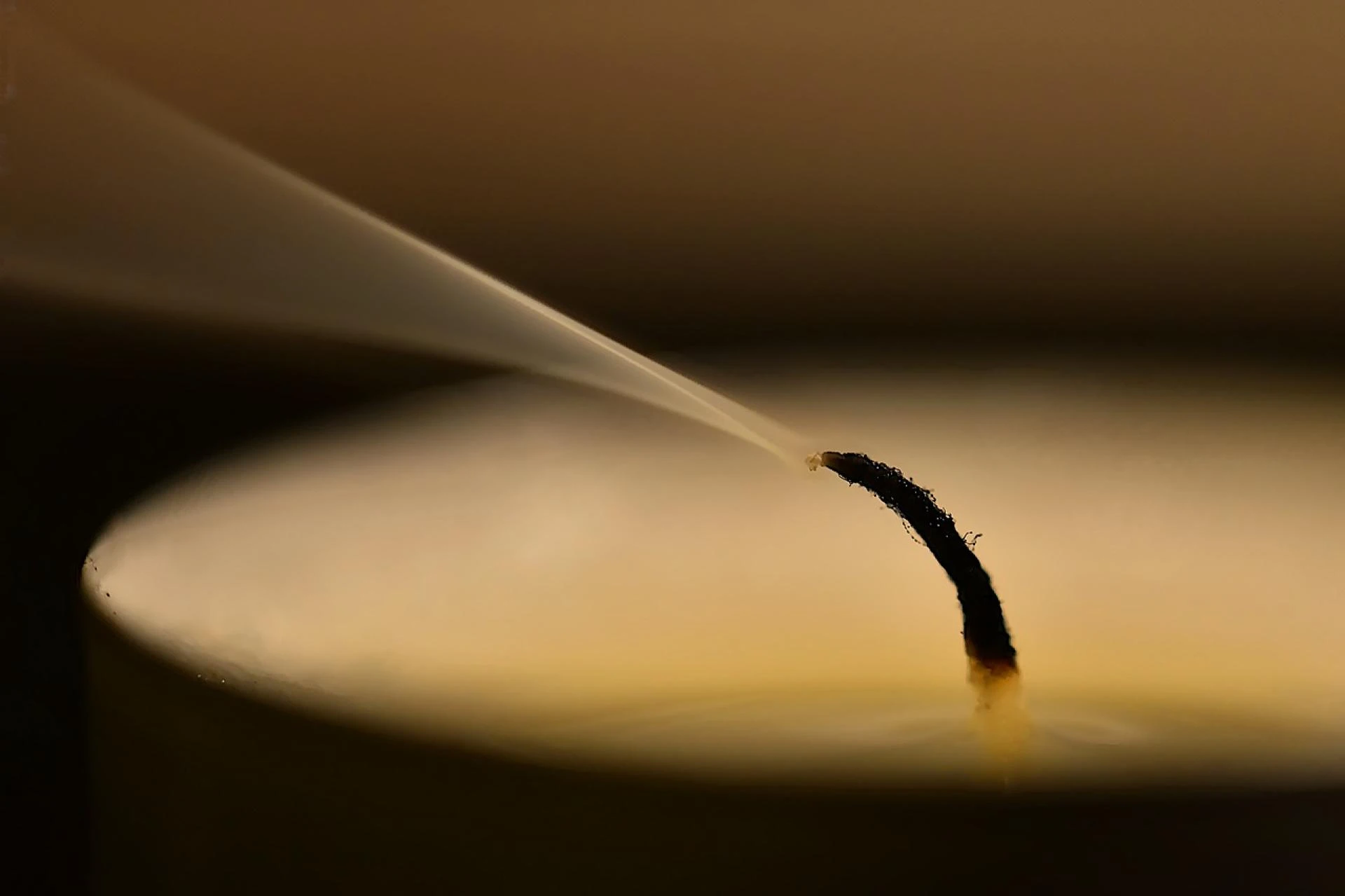

Candles can create a cozy atmosphere, but to truly enjoy their beauty and benefits, proper care is essential. When you invest in non toxic candles, ensuring they last longer not only saves you money but also maximizes the health benefits of using safe candles. Here’s a detailed guide to caring for your non toxic candles, with insights into why these steps matter and how they connect to the broader conversation about sustainable living.
Choosing Non Toxic Candles

The foundation of candle care begins with selecting the right candles. Non toxic candles are crafted with your health and the environment in mind, so choosing wisely is crucial.
Importance of Natural Waxes
Candles made from natural waxes like soy, beeswax, or coconut wax burn cleaner and longer than paraffin-based alternatives. Soy wax, for example, is renewable, biodegradable, and produces minimal soot. Beeswax candles, with their natural honey scent, even purify the air by releasing negative ions. Coconut wax is gaining popularity for its clean burn and ability to hold fragrance well.
Avoid Harmful Additives
Paraffin wax, a petroleum by-product, releases harmful chemicals when burned, potentially affecting indoor air quality. Synthetic fragrances can also contribute to allergies or respiratory issues. Opt for candles infused with essential oils or natural fragrances for a safer and healthier experience.
Pro Tip: Look for candles labeled as "phthalate-free" and "paraffin-free" to ensure you're buying safe candles.
Proper Wick Care
The candle wick is the unsung hero of a long-lasting and clean-burning candle. Here's how to care for it:
Trimming the Wick
Before each burn, trim the wick to approximately 1/4 inch using a candle wick trimmer. This prevents excessive flickering, reduces soot, and ensures an even flame. A long wick can cause uneven burning or create black smoke that diminishes the candle's longevity.
Choosing the Right Wick Material
Lead-free wicks, often made of cotton or wood, are safer and more durable. Cotton wicks are a classic choice, while woodwick candles add a crackling ambiance reminiscent of a cozy fireplace.
Burning Candles Correctly
How you burn your candle directly impacts its performance and lifespan.
Achieving a Full Melt Pool
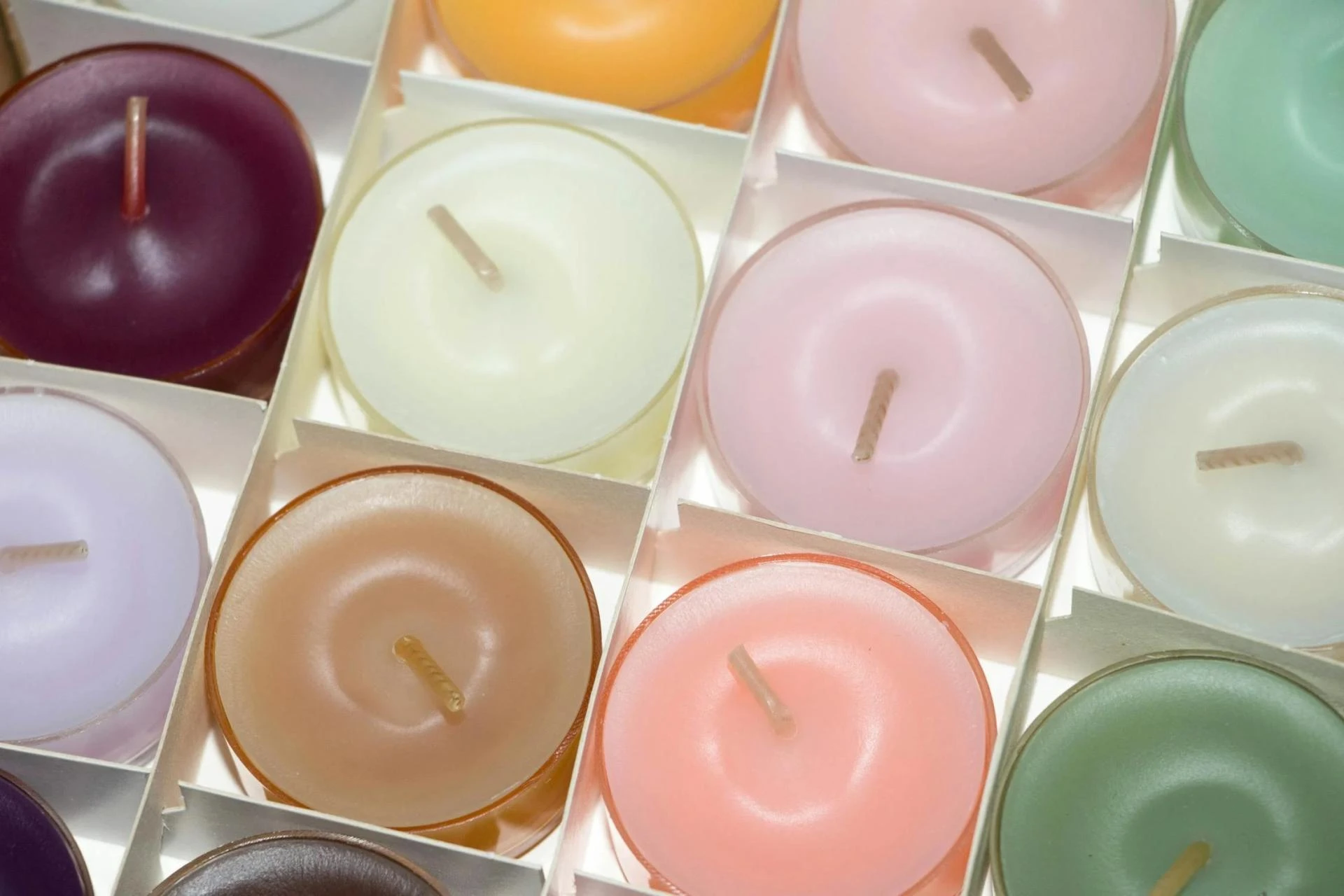
The first burn is critical. Allow the wax to melt evenly across the surface, creating a "full melt pool." This prevents tunneling, a common issue where wax remains stuck to the sides of the jar, wasting the candle.
Limiting Burn Time
Burn your candles for no more than 3–4 hours at a stretch. Overburning can cause the wick to mushroom, leading to uneven flames and excessive soot. For travel candles, these guidelines are particularly important to preserve their compact size and usability.
Extinguishing Candles Safely
How you extinguish your candle is just as important as how you burn it.
Snuff Out the Flame
Avoid blowing out candles, as it creates smoke and can disturb the wax. Use a candle snuffer or a wick dipper to safely extinguish the flame. This not only minimizes soot but also helps maintain the wick’s shape.
Storage Tips for Longevity
Improper storage can diminish a candle’s fragrance and overall quality.
Cool, Dry Places
Store candles in a cool, dry place away from direct sunlight. Heat and UV exposure can fade colors and degrade fragrances, particularly in non toxic candles with natural oils.
Airtight Containers
For travel candles or those you don’t use frequently, airtight containers are ideal. They protect the wax and fragrance from dust and moisture, keeping your candles fresh for longer.
Cleaning Candle Jars and Reusing Them
Non toxic candles often come in beautiful jars that are too good to toss.
Cleaning Leftover Wax
To clean candle jars, place the container in the freezer for a few hours. Once the wax hardens, it can be easily chipped out. Alternatively, warm the jar in hot water to melt the residue and wipe it clean.
Creative Reuse
Once cleaned, jars can be repurposed as planters, storage for small items, or even as decorative pieces. This promotes sustainability and adds a personal touch to your home.
Ventilation and Indoor Air Quality
Even non toxic candles benefit from proper ventilation.
Avoid Trapping Smoke
Burn candles in well-ventilated spaces to avoid trapping any residual smoke. Although non toxic candles produce minimal soot, proper airflow ensures cleaner indoor air.
DIY Candle Maintenance Hacks

Small issues like tunneling or fading fragrances can be fixed with a little effort.
Fixing Tunneling Candles
Wrap aluminum foil around the top of the candle, leaving an opening for the flame. Let it burn for a few hours. The trapped heat will melt the uneven wax, restoring the full melt pool.
Refreshing an Old Candle
If your candle’s scent has faded, adding a few drops of essential oil to the melted wax can refresh its fragrance.
Why Candle Care Matters
Caring for your non toxic candles goes beyond making them last longer; it aligns with a mindful lifestyle. These practices reduce waste, improve indoor air quality, and enhance your candle-burning experience. Whether it’s trimming a wick with a candle wick trimmer, properly storing travel candles, or choosing sustainable woodwick candles, these tips ensure you get the most out of your safe candles.
Embracing these care techniques reflects a commitment to wellness and sustainability, making every burn not just a flicker of light, but a mindful act of self-care and environmental consciousness.








Sign in to leave a comment.