

Almost every expecting mother asks the same thing at some point: should I go for a normal delivery or a C-section? Family members have opinions, friends share their stories, and the internet adds more noise. The truth is simpler. Both are safe when done for the right reason, and the better choice is the one that suits your health and your baby’s. Here is how the two compare and how to decide.
What Is a Normal Delivery?
A normal (vaginal) delivery means the baby is born through the birth canal after labour begins on its own or is started with medical help. Labour has three stages: the cervix opens, the baby is pushed out, and the placenta follows. For a first pregnancy, labour often takes 12 to 18 hours, though it varies a lot.
Benefits of Normal Delivery
- Recovery is usually faster, and many mothers are walking within hours
- No abdominal surgery, so there is less risk of wound infection
- Shorter hospital stay, often one to two days
- Easier to start breastfeeding soon after birth
- Lower risk of complications in future pregnancies for most women
Possible Risks
Labour can be long and painful. Some women have tears or need an episiotomy (a small cut to make room for the baby). In some cases, labour does not progress or the baby shows signs of distress, and the plan changes to a C-section. Pain relief options such as an epidural can make labour far more manageable if this is a concern.
What Is a C-Section?
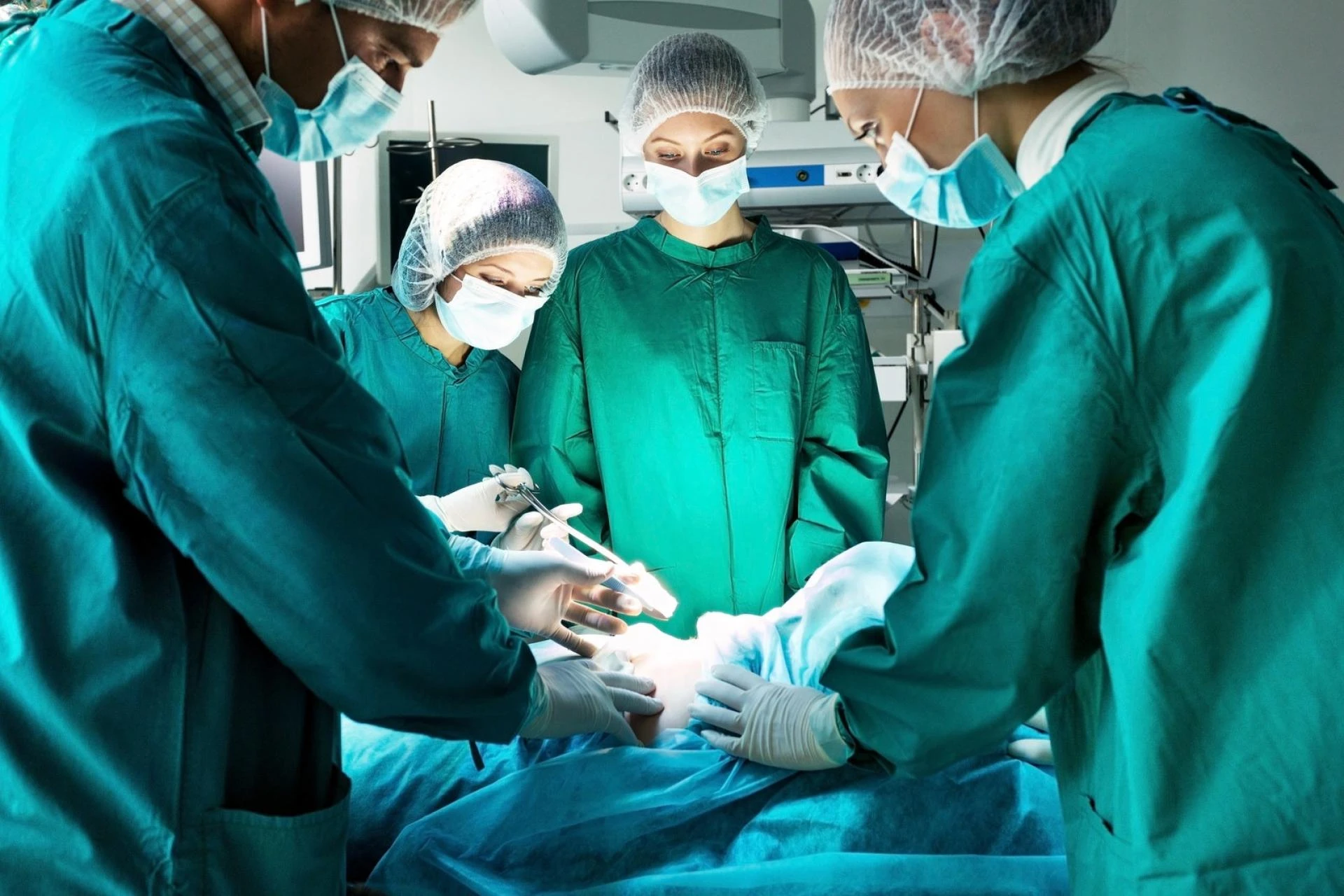
A Caesarean section is a surgery where the baby is delivered through a cut in the abdomen and uterus. It is done under spinal or epidural anaesthesia in most cases, so you stay awake. The surgery itself takes about 30 to 45 minutes.
When a C-Section Is Needed
Doctors recommend it when a vaginal birth could put you or the baby at risk. Common reasons include:
- Baby in breech (feet-first) or sideways position
- Placenta covering the cervix (placenta previa)
- Signs of fetal distress during labour
- Labour that stops progressing
- Very large baby or a narrow pelvis
- Twins or more, depending on their positions
- Health conditions like severe high blood pressure or active genital infections
- Previous C-sections, in some cases
Possible Risks
As with any surgery, there is a chance of infection, blood loss or reaction to anaesthesia. Recovery takes longer, usually four to six weeks, and lifting, driving and climbing stairs need to be limited at first. Future pregnancies may also need closer monitoring.
Normal Delivery vs C-Section at a Glance
| # | Normal Delivery | C-Section |
|---|---|---|
| Hospital stay | 1 to 2 days | 3 to 4 days |
| Recovery time | 1 to 2 weeks | 4 to 6 weeks |
| Pain | During labour | After surgery |
| Surgery involved | No | Yes |
| Planned in advance | Usually not | Often yes |
How to Decide What’s Right for You?
There is no one answer for everyone, but these points can guide the conversation with your doctor.
- Start with your health. Your blood pressure, blood sugar, past surgeries and any pregnancy complications all shape the safest option.
- Look at your baby. Position, size and heartbeat patterns in the last weeks matter a great deal. A baby who turns head-down near term often makes a normal delivery possible.
- Think about your history. If you have had a C-section before, your doctor will check the scar type and the gap since the last delivery before suggesting a trial of labour.
- Ask about pain relief. Fear of labour pain is one of the most common reasons women choose a C-section. Knowing that epidural options exist can change how you feel about it.
- Talk about your preferences. Your comfort and concerns count. A good doctor will explain the pros and cons without pushing you.
Common Myths
- “A C-section is the easy way out.” It is major surgery with a longer recovery.
- “Normal delivery is always safer.” Not when there is a medical reason against it.
- “Once a C-section, always a C-section.” Many women can try a vaginal birth after a previous C-section, depending on their case.
Choosing the Right Hospital Matters
The hospital you pick affects how smoothly things go, especially if plans change mid-labour. Look for a team that offers both options, pain-free delivery, round-the-clock emergency support and a NICU for newborns who need extra care. Many families looking for the best maternity hospital in Ahmedabad visit in advance to meet the doctors and see the delivery rooms. That small step often takes away a lot of worry.
Final Thoughts
Normal delivery and C-section both end with a healthy baby when the choice is based on medical need. Start antenatal visits early, ask every question that comes to mind, and talk through your options well before the due date. The goal is a safe birth for you and your baby, however it happens.
This article is for general information and does not replace advice from your doctor.






















Sign in to leave a comment.