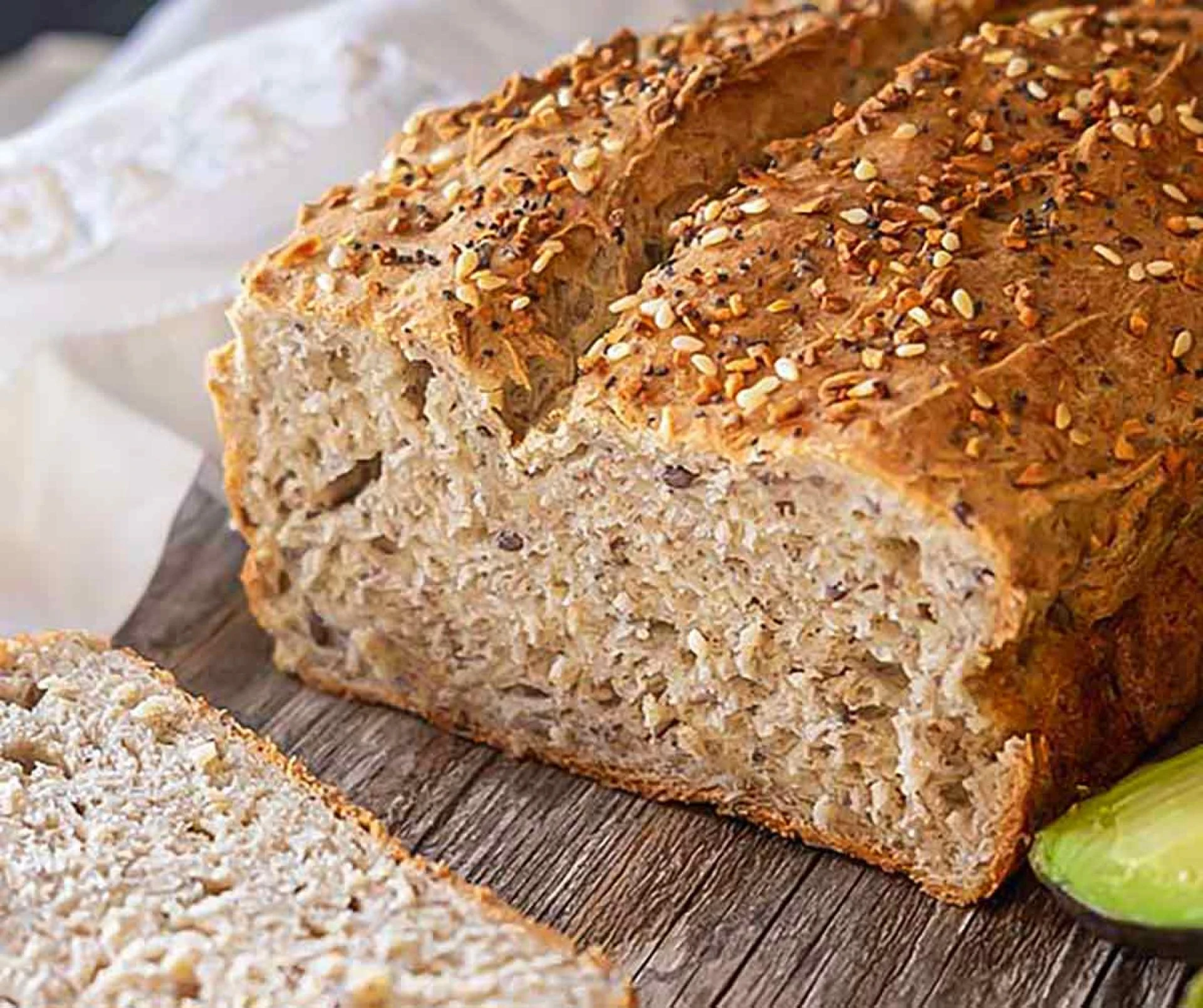

There is a particular feeling of frustration that comes from finding a forgotten loaf of gluten free bread slowly turning stale on the counter. Given the effort and expense that often goes into sourcing or baking it, watching it harden feels like a personal failure and a waste of precious resources. The immediate thought might be to simply discard it, resigning yourself to the fact that its short window of perfect freshness has passed. However, that hardened loaf is not a lost cause; it is an opportunity.
Stale bread is not a problem to be solved but an ingredient to be celebrated. In culinary traditions around the world, stale bread forms the foundation of countless beloved dishes, from Spanish gazpacho to Italian ribollita. Its dried-out structure is actually a superior ingredient for absorbing flavors and creating texture. Gluten-free bread, with its unique composition, is exceptionally well-suited for a second act. By shifting your perspective, you can transform what seems like a failure into the secret component of your next great meal. For tips on keeping your bread fresh longer, or for recipes to create a new loaf, our resource on gluten free bread at Noomi Eats offers plenty of guidance.
This guide will explore a variety of creative and delicious ways to use stale gluten-free bread, ensuring that not a single crumb goes to waste.
Why Stale Gluten-Free Bread is a Culinary Asset
The very qualities that make stale bread unappealing for a sandwich are what make it valuable in other applications.
- Absorbency: As bread stales, it loses moisture. This creates a dry, porous structure that is ideal for soaking up liquids like broths, eggs, and milk without dissolving into mush. This makes it perfect for dishes like stratas, bread puddings, and meatballs.
- Structural Integrity: Stale gluten-free bread is less likely to crumble excessively when cut or cubed. This allows it to hold its shape in salads and stuffings, providing a satisfying textural contrast.
- Flavor Concentration: The process of staling can slightly concentrate the bread's inherent flavors, allowing it to contribute a more robust, toasty base to your recipes.
Preparation: The First Step for Most Recipes
Before you begin, most of these uses require you to prepare the stale bread in one of two ways:
- Drying Out Further: If your bread is only slightly stale, you may need to dry it out completely to achieve the right texture. Cube the bread and spread the pieces in a single layer on a baking sheet. Bake in a preheated 300°F (150°C) oven for 15-20 minutes, until dry and hard to the touch. Let them cool completely. This method ensures even drying and prevents burning during later cooking.
- Making Crumbs: For breadcrumbs, you can use truly stale bread that has hardened. Simply break it into chunks and pulse in a food processor until you achieve your desired consistency, from coarse panko-like crumbs to a fine powder.
Creative Uses for Stale Gluten-Free Bread
1. The Ultimate Gluten-Free Breadcrumbs This is the most common and versatile use for stale bread. Homemade breadcrumbs are far superior to store-bought in both flavor and texture.
- How to Make: Process dried-out bread chunks in a food processor until fine. For toasted breadcrumbs, toss the processed crumbs with a little olive oil, spread them on a baking sheet, and bake at 350°F (175°C) for 5-10 minutes, stirring occasionally, until golden brown. Let them cool completely before storing.
- Uses:
- Breading: Use for chicken cutlets, fish sticks, or eggplant Parmesan.
- Topping: Mix with melted butter, herbs, and garlic for a crunchy topping for macaroni and cheese or baked casseroles.
- Binder: Add to meatballs or meatloaf to help retain moisture.
2. Savory Gluten-Free Croutons Store-bought gluten-free croutons are rare, but homemade ones are easy and incredibly flavorful.
- How to Make: Cut stale bread into ½-inch cubes. In a bowl, toss them generously with olive oil, salt, pepper, and dried herbs like oregano, thyme, or garlic powder. Spread on a baking sheet and bake at 375°F (190°C) for 10-15 minutes, until golden and crisp, stirring halfway through.
- Uses:
- Salads: The obvious choice. They add a crucial crunch to Caesar salad or any green salad.
- Soup Topper: Float on top of creamy soups like tomato or broccoli cheddar for textural contrast.
- Snack: Enjoy them on their own as a savory, crunchy snack.
3. A Hearty Breakfast Strata or Savory Bread Pudding A strata is a brilliant casserole that transforms stale bread into a luxurious breakfast or brunch dish.
- How to Make: Cube your stale bread and place it in a greased baking dish. In a separate bowl, whisk together eggs, milk (or a dairy-free alternative), salt, pepper, and any desired add-ins like cooked sausage, sautéed vegetables, or cheese. Pour the egg mixture over the bread cubes, pressing down to ensure everything is submerged. Cover and refrigerate for at least one hour or overnight. This allows the bread to fully absorb the custard. Bake at 350°F (175°C) for 45-55 minutes, until puffed and golden.
- Why it Works: The stale bread soaks up the rich egg custard without falling apart, resulting in a cohesive, tender, and flavorful casserole.
4. A Rich and Creamy Bread Pudding The principle is the same as a strata, but for dessert. Stale bread is essential for achieving the perfect texture.
- How to Make: Prepare cubes of stale bread. Heat milk or cream with sugar and a pinch of salt until warm. In a bowl, whisk eggs and vanilla, then slowly whisk in the warm milk mixture. Combine with the bread cubes and let sit for 30 minutes. Fold in raisins or chocolate chips, then bake in a water bath until set.
- Why it Works: The dry bread absorbs the sweet custard base, becoming incredibly soft and rich while still maintaining its structure within the pudding.
5. Panade (A Secret Weapon for Moisture) A panade is a mixture of bread and milk used as a binder in ground meat dishes. It is the secret to incredibly moist and tender meatballs, meatloaf, and burgers.
- How to Make: Process a slice of stale bread into very fine crumbs. Place them in a bowl and add just enough milk or broth to create a thick paste. Let it sit for five minutes, then mix this paste directly into your ground meat along with your other seasonings.
- Why it Works: The bread-milk paste helps to retain the meats' natural juices during cooking, preventing dryness and creating a melt-in-your-mouth texture. This is especially useful for lean meats like turkey or chicken.
6. Thickening Agent for Soups and Stews Before the widespread use of roux or cornstarch, cooks used bread to thicken soups.
- How to Make: Add a few large chunks of stale bread to your simmering soup or stew about 10 minutes before finishing. As it cooks, it will break down and dissolve, naturally thickening the broth and adding body.
- Why it Works: The starch from the bread dissolves into the liquid, creating a silky, slightly heartier consistency. This works wonderfully for rustic, pureed soups like tomato or vegetable.
7. Gluten-Free Breadcrumbs for Stuffing/Dressing No holiday meal is complete without stuffing, and stale bread is non-negotiable for the best results.
- How to Make: Use your dried bread cubes. Sauté celery and onions in butter, then combine them with the bread cubes, broth, eggs, and herbs. Bake until the top is crisp and the interior is moist.
- Why it Works: Stale cubes hold their shape and create distinct pockets within the stuffing, resulting in a perfect contrast between the crispy top and the soft, flavorful interior. Fresh bread would simply turn to mush.
A loaf of stale gluten-free bread is not an endpoint but a beginning. It is a versatile, zero-waste ingredient waiting to be rediscovered. By embracing these creative uses, you not only reduce food waste but also unlock a world of delicious possibilities that are far more exciting than a simple sandwich. That hardened loaf on your counter is not a reminder of what was lost, but an invitation to create something new.

























Sign in to leave a comment.