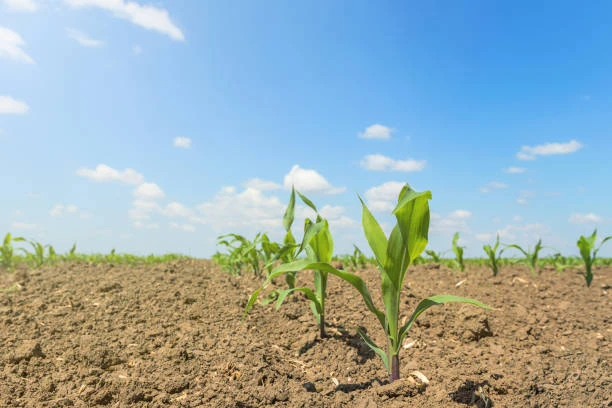

Plants, just like humans, require essential nutrients to thrive and maintain optimal health. These nutrients play a crucial role in various biological processes, such as growth, photosynthesis, and overall development. However, in certain circumstances, plants may face nutrient deficiencies, leading to stunted growth, reduced productivity, and susceptibility to diseases.
In this blog, we will explore the symptoms of nutrient deficiencies in plants and discuss organic remedies, with a special focus on the advantages of biopesticides for plant health.
Understanding Nutrient Deficiencies in Plants
Nutrient deficiencies occur when plants do not receive adequate amounts of essential elements from their environment. There are three primary types of nutrient deficiencies in plants:
Macronutrients: These are required in larger quantities and include nitrogen (N), phosphorus (P), potassium (K), calcium (Ca), magnesium (Mg), and sulfur (S).Micronutrients: These are required in smaller quantities but are equally important. Micronutrients include iron (Fe), manganese (Mn), boron (B), zinc (Zn), copper (Cu), molybdenum (Mo), and chlorine (Cl).
Secondary nutrients: These are required in intermediate quantities and include elements like calcium (Ca), magnesium (Mg), and sulfur (S).
Symptoms of Nutrient Deficiencies in Plants
Nitrogen (N) Deficiency: Yellowing of leaves (chlorosis) starting from the tips and spreading inwards. Stunted growth and reduced leaf size may also be observed.Phosphorus (P) Deficiency: Dark green or purple-tinged leaves, especially in older foliage. Poor root development and delayed flowering may also occur.
Potassium (K) Deficiency: Yellowing and curling of leaf edges (necrosis), as well as weak stems and reduced resistance to diseases.
Iron (Fe) Deficiency: Yellowing between the veins of younger leaves, while the veins remain green (interveinal chlorosis).
Magnesium (Mg) Deficiency: Yellowing between the veins of older leaves, along with leaf curling and browning of leaf edges.
Calcium (Ca) Deficiency: Young leaves display distorted growth, while older leaves may show signs of necrosis and stunted root development.
Boron (B) Deficiency: Abnormal growth, cracking of stems and fruits, and yellowing of young leaves.
Organic Remedies for Nutrient Deficiencies
Compost and Organic Matter: The use of compost and organic matter improves soil structure and fertility, providing a steady release of nutrients to plants.Crop Rotation: Regularly rotating crops helps prevent nutrient depletion in the soil, reducing the likelihood of nutrient deficiencies.
Green Manure Cover Crops: Sowing green manure cover crops, such as legumes, helps fix nitrogen in the soil and enrich it with organic matter.
Mulching: Mulching around plants conserves soil moisture and regulates temperature, promoting nutrient uptake and reducing stress.
Biofertilizers: Utilizing biofertilizers, such as rhizobacteria and mycorrhizal fungi, enhances nutrient availability and absorption for plant roots.
Advantages of Biopesticides for Plant Health
Biopesticides are derived from natural sources and offer numerous advantages for plant health and the environment:
Reduced Toxicity: Biopesticides are generally less toxic to humans, animals, and beneficial insects, making them a safer choice for pest management.
Targeted Action: They exhibit specific modes of action, targeting only the pests, which helps preserve beneficial organisms in the ecosystem.
Minimal Residue: Biopesticides leave little to no harmful residues on crops, ensuring healthier produce for consumption.
Resistance Management: Their diverse modes of action help prevent the development of resistance in pest populations over time.
Conclusion
Nutrient deficiencies in plants can be detrimental to their health and productivity. Employing organic remedies, such as compost, crop rotation, and biofertilizers, can effectively address these deficiencies while promoting sustainable agriculture. Additionally, incorporating biopesticides in pest management practices can further enhance plant health, ensuring a thriving ecosystem that benefits both farmers and the environment. Embracing organic and bio-friendly approaches will lead us towards a healthier and more sustainable future for agriculture and our planet.









Sign in to leave a comment.