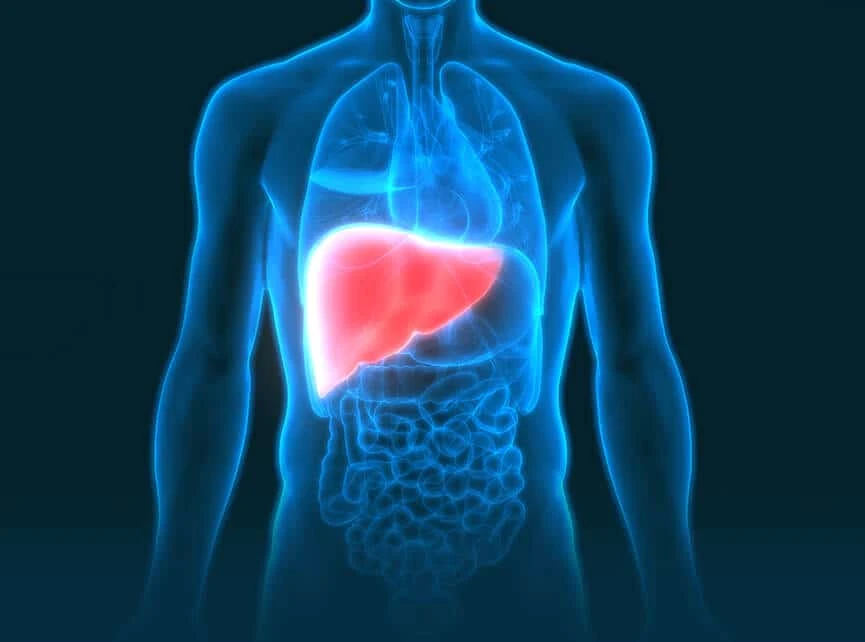

Factors such as the type and severity of liver disease and the patient's condition make it almost imperative that each patient's nutritional plan be different. However, following a healthy eating plan, exercising regularly, and reaching the ideal weight are factors in all liver diseases. In alcoholic fatty liver disease or cirrhosis caused by alcohol consumption, patients should completely abstain from alcohol. When muscle wasting is severe in patients with cirrhosis, the nutritional plan should also prevent further muscle wasting. For this reason, patients should consume protein-based foods and take care not to starve for long periods. Since some vitamin values may decrease in cirrhosis patients, these patients may need to take supplements such as B12 and folic acid under the control of a doctor. In non-alcoholic fatty liver disease, patients should stay away from ready-made foods as much as possible, avoid foods that increase blood sugar, avoid saturated fat as much as possible, exercise regularly, and reach their ideal weight. It has been observed that some herbal products or drugs that are thought to treat liver diseases cause more damage to the liver. Therefore, no medication or supportive treatment product should be used without consulting a doctor. GiandLiverConsultants provide the best liver consultants.
Liver Cancer.
It can be said that liver cancer, which is the fifth most common cancer type globally, is more common in men than in women. Hepatitis B, hepatitis C, cirrhosis, excessive alcohol consumption, and fatty liver are the main factors that can trigger cancer. At the same time, smoking, irregular diet, some medications, and genetically transmitted liver diseases can also cause liver cancer. Liver cancer, usually seen in patients with cirrhosis, does not show symptoms in the early stages like other liver diseases. There are different treatment methods for liver cancer, which are diagnosed by MRI, ultrasonography, computed tomography, and laparoscopy. To determine the appropriate treatment plan, first of all, an answer to whether cancer originates from the liver or other organs should be sought. Surgical intervention is a frequently used method in the treatment of liver cancer. However, it is important to remember that this is valid for patients who do not have cirrhosis or have cirrhosis only in the early stages. The reason for this is that liver failure is seen in the later stages of cirrhosis, which makes the option of surgery impossible. Chemotherapy and radiotherapy are among the common treatment methods used in liver cancer and other types of cancer. Cancer types such as kidney, breast, colorectal, lung, skin, and ovarian cancer can also metastasize and cause liver cancer. Metastatic liver cancers are 30 times more common than cancers arising from cirrhosis or adiposity.
Liver Cysts.
Benign cysts may form in the liver. The factors that cause these cysts are different, and the treatment methods also vary according to the type of cyst.
Simple Cyst.
Simple cysts, which are usually seen after the age of 40, are cysts that do not pose any danger in most cases, as the name suggests. The size of simple cysts remaining from congenital or past infectious diseases is less than 3 cm. No treatment is applied for cysts that are silent and do not grow. However, if the number of cysts is large, grows, and causes internal bleeding, then the fluid inside the cysts is drained, and these cysts are surgically removed.
Hydatid cyst.
A Hydatid cyst, also known as a canine cyst, is the most common cyst in the liver. Hydatid cyst caused by parasite is a type of cyst transmitted from animal to human. Especially as a result of ingestion of water and food contaminated with the parasite's eggs in the feces of dogs, the parasite can settle in the liver through the blood route from the intestines. Therefore, it should be ensured that the drinking water is clean and food should be thoroughly washed before consumption. In treating the hydatid cyst, the cyst can be evacuated by laparoscopy, and some cysts may need to be surgically removed.
Hemangioma.
Hemangioma cyst that does not turn into cancer is a type of liver cyst that is more common in women. Cysts that usually stay the same size may enlarge with factors such as pregnancy and birth control drugs. Cysts that grow and exceed 10 cm in size must be surgically removed. Hemangioma cysts, one of the most common liver cysts, can be detected by imaging methods such as MRI, as they do not show any symptoms. GiandLiverConsultants provide the best gastrointestinal consultants.
0











Sign in to leave a comment.