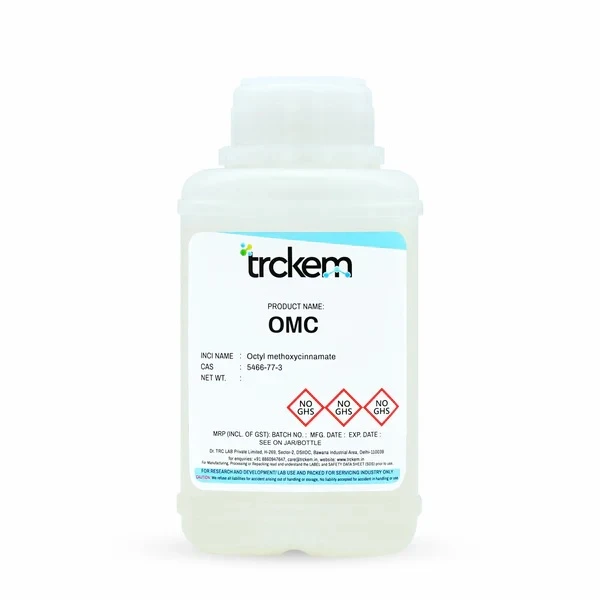

Octyl Methoxycinnamate is one of the most widely used UV filters in modern sunscreen formulations. Known for its excellent ability to absorb UVB radiation, this ingredient plays a critical role in protecting the skin from sun damage, premature aging, and long-term effects such as hyperpigmentation. With increasing awareness about sun safety and skincare, octyl methoxycinnamate has become a cornerstone of contemporary sun protection products.
What Is Octyl Methoxycinnamate?
Octyl Methoxycinnamate, also referred to as octinoxate, is an oil-soluble organic compound commonly used in sunscreens and cosmetic products. Its primary function is to absorb UVB rays, which are responsible for sunburn and direct skin damage. Chemically, it is a clear to pale yellow liquid that blends easily with other cosmetic ingredients, making it ideal for lotions, creams, sprays, and gels.
Due to its stability and compatibility, it is often combined with other UV filters to provide broad-spectrum sun protection.
Key Properties and Functional Benefits
The effectiveness of Octyl Methoxycinnamate lies in its strong UVB absorption capacity. It helps reduce the impact of sun exposure by converting UV radiation into less harmful energy. This property makes it highly valuable in sunscreen formulations designed for daily and prolonged sun exposure.
Some important properties include:
- High UVB absorption efficiency
- Oil solubility for smooth formulation
- Lightweight and non-greasy feel on skin
- Compatibility with other sunscreen agents
- Improved cosmetic elegance of products
These characteristics allow formulators to create sunscreens that are both effective and pleasant to use.
Role in Sunscreen and Skincare Products
Octyl Methoxycinnamate is primarily used in sunscreens, but its benefits extend to other skincare products as well. It is commonly found in:
- Broad-spectrum sunscreens
- Daily moisturizers with SPF
- Foundations and BB creams
- Lip balms with sun protection
Its ability to provide consistent UVB protection helps prevent sunburn, uneven skin tone, and early signs of aging. When used correctly, it supports overall skin health and enhances long-term sun defense strategies.
Importance of Ingredient Combinations
Modern sunscreen formulations rely on combinations of ingredients to maximize protection and stability. While Octyl Methoxycinnamate targets UVB rays, it is often paired with antioxidants to reduce oxidative stress caused by sun exposure. One such ingredient is Tocopheryl Acetate, a stable form of vitamin E widely used in skincare products.
Tocopheryl acetate helps neutralize free radicals, supports skin barrier repair, and enhances moisture retention. When combined with UV filters, it improves the overall protective and nourishing effect of sunscreen formulations.
Safety, Stability, and Regulatory Acceptance
Octyl Methoxycinnamate has been extensively studied and is approved for use in sunscreens and cosmetics across many regions, subject to concentration limits set by regulatory authorities. Its long history of use demonstrates a strong safety profile when formulated according to guidelines.
To ensure optimal performance, formulators focus on proper stabilization techniques and suitable packaging that protects the product from light and heat. These measures help maintain the effectiveness of the UV filter throughout the product’s shelf life.
Market Demand and Industry Applications
The global demand for sun protection products continues to rise, driven by increased awareness of UV-related skin damage and the growing popularity of outdoor lifestyles. As a result, Octyl Methoxycinnamate remains a high-demand ingredient for cosmetic and personal care manufacturers.
Beyond sunscreens, it is also used in anti-aging products and cosmetic formulations where UV protection is a key benefit. Manufacturers seek high-quality raw materials that meet purity standards and regulatory compliance, making reliable sourcing essential. Suppliers such as Trckem support this demand by offering consistent quality suitable for modern cosmetic formulations.
Environmental and Formulation Considerations
As the skincare industry evolves, formulators are also exploring ways to balance performance with environmental responsibility. Octyl Methoxycinnamate is often used in optimized concentrations and advanced formulations to meet both consumer expectations and regulatory standards.
Innovation in sunscreen technology continues to improve texture, absorption, and overall user experience while maintaining effective sun protection.
Conclusion
Octyl Methoxycinnamate plays a vital role in modern sunscreens by providing effective UVB protection and enhancing the performance of sun care products. When combined with supportive ingredients like Tocopheryl Acetate, it contributes to comprehensive skin protection and nourishment. As awareness of sun safety grows and skincare technology advances, octyl methoxycinnamate will continue to remain a key ingredient in the development of reliable and user-friendly sunscreen formulations.



Sign in to leave a comment.