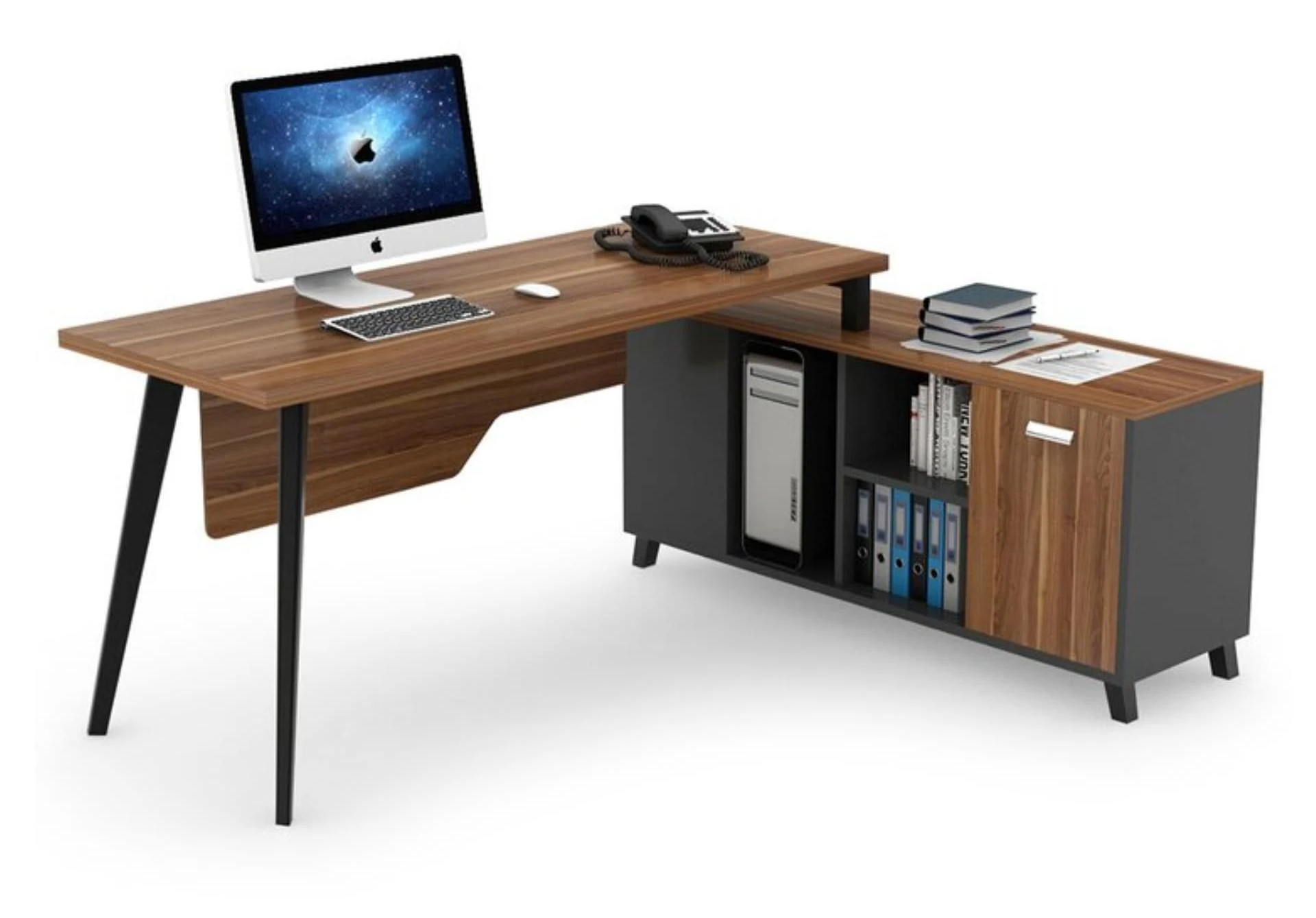

In today’s fast-paced, dynamic work culture, your office isn’t just a place where people punch in and out. It’s a space that reflects your brand’s values, fosters innovation, and impacts employee productivity and well-being. The right office interior design can elevate a company's image while simultaneously optimizing workflow and boosting morale. Whether you're a startup trying to attract top talent or a corporate entity undergoing rebranding, the design of your workspace plays a key role in achieving your goals.
What is Office Interior Design?
Office interior design is the strategic planning and execution of a workplace’s layout, aesthetic, and functionality. It combines elements of architecture, furniture arrangement, color psychology, lighting, space management, and ergonomic design to create a workspace that is both beautiful and practical. Modern businesses understand that a well-designed office can influence how employees feel, think, and perform, making interior design a critical aspect of corporate culture.
The objective of office interior design isn’t just to make a space look pretty. It’s about building an environment that aligns with your company's mission and culture. This includes understanding workflow, department functions, collaborative needs, and even emotional well-being. In essence, effective office design is about creating a space that inspires people to do their best work.
Why Office Interior Design Matters
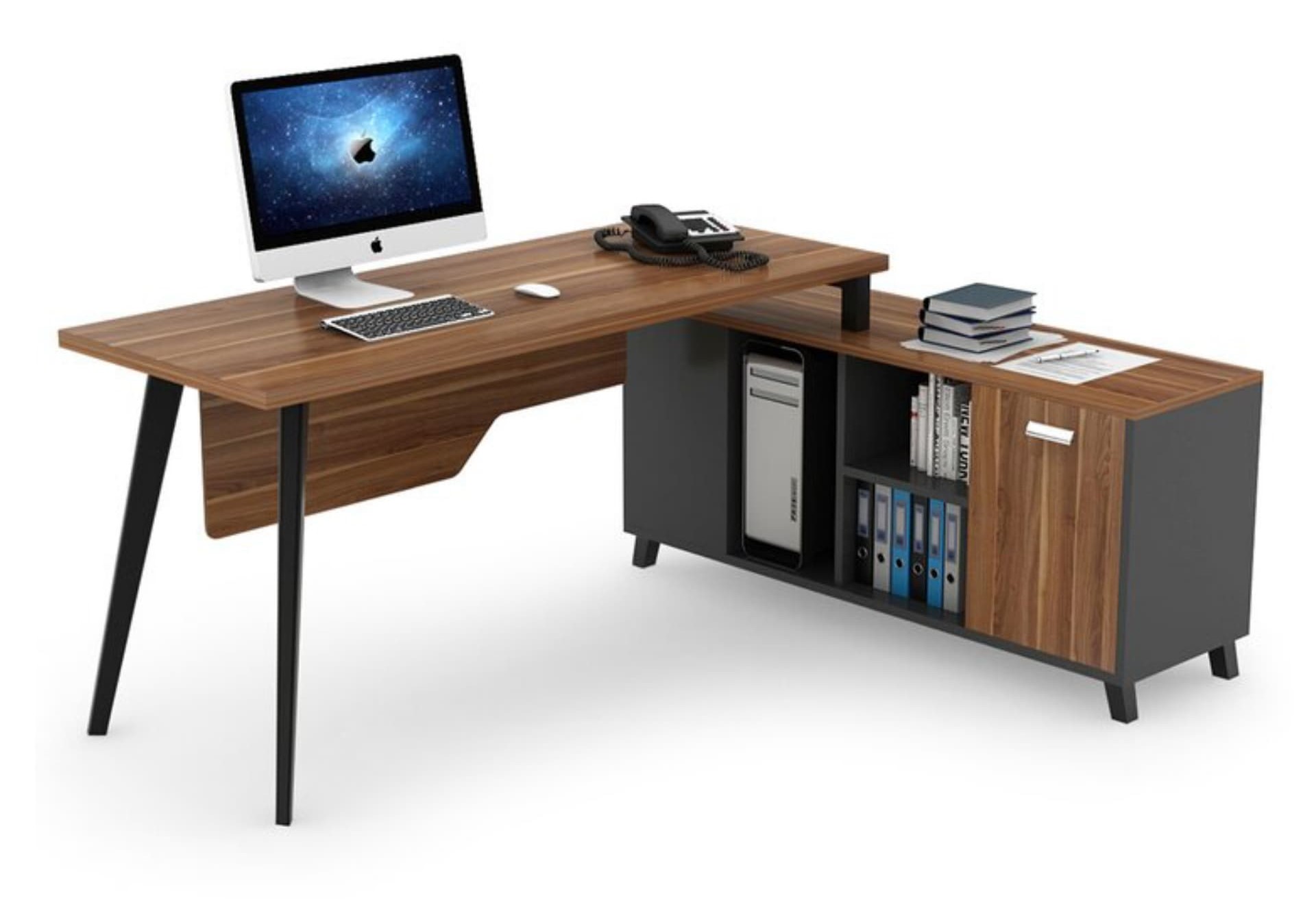
First impressions count. When a client or potential hire walks into your office, the design of your space speaks volumes before you ever say a word. A clean, well-organized, and thoughtfully decorated environment can build trust and confidence, while a cluttered or outdated space may do the opposite.
But it’s not just about external appearances. Interior design deeply impacts internal operations too. From reducing stress levels to improving focus and communication, the layout and atmosphere of a workplace directly affect how employees perform. Natural lighting, comfortable furniture, noise-reducing materials, and flexible work zones can dramatically increase employee satisfaction and output.
Furthermore, design affects retention. Employees are more likely to stay at a job where they feel comfortable and energized. This is why many companies are investing in creating inviting, efficient, and inspiring work environments.
Key Elements of Modern Office Interior Design
1. Space Planning
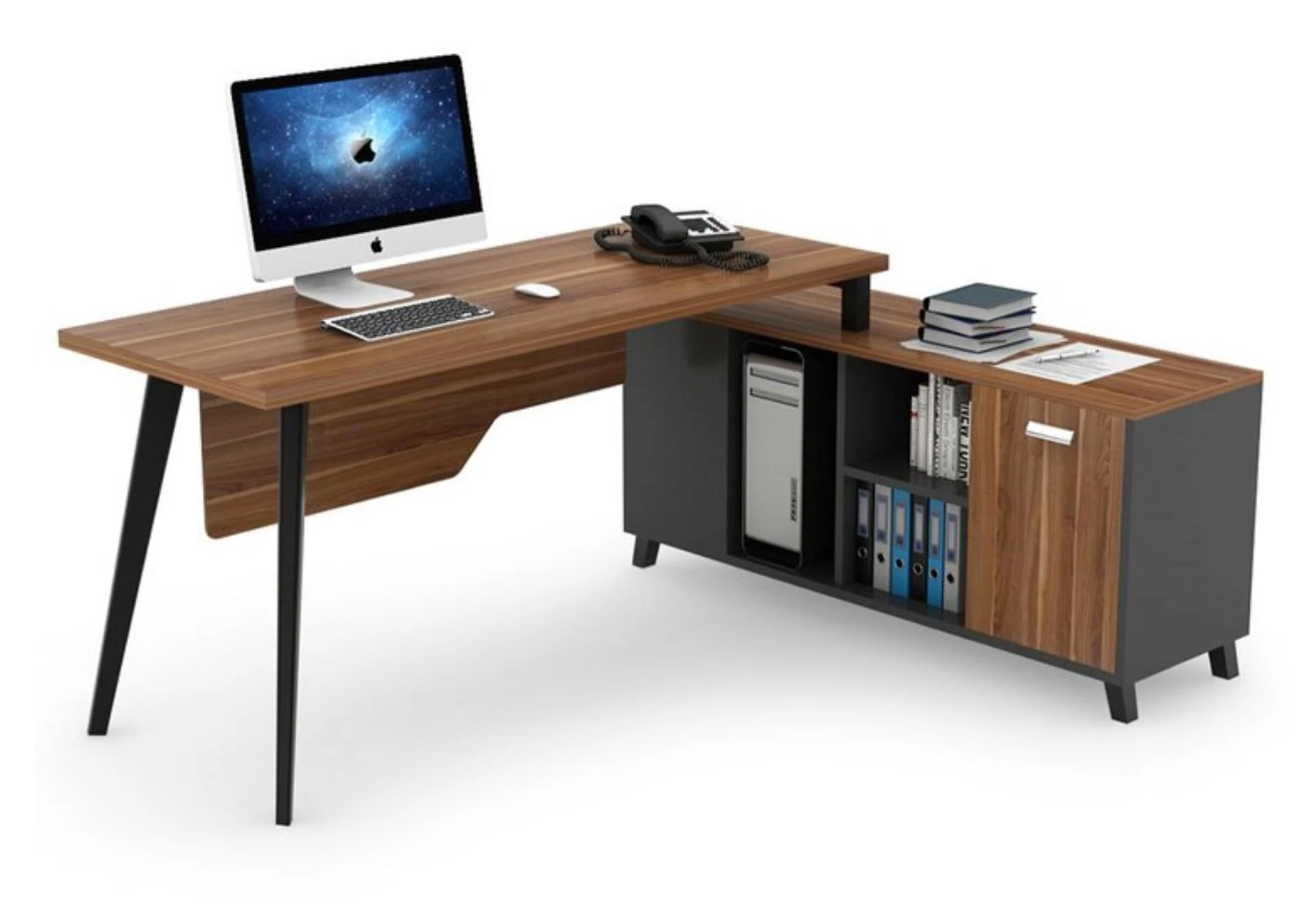
Space planning is the foundation of any good interior design project. It involves evaluating how much space is available and how it can be divided to serve different needs—private offices, open workstations, collaborative spaces, lounges, and conference rooms. A good design ensures smooth traffic flow and optimizes available square footage without making it feel cramped or chaotic.
2. Ergonomics
Furniture must not only look stylish but also support the human body. Ergonomic chairs, height-adjustable desks, and keyboard trays are vital in preventing strain injuries and discomfort, especially in workspaces where employees sit for long hours. The layout should promote healthy posture and physical movement.
3. Lighting
Lighting plays a major role in shaping mood and productivity. Natural light is ideal, as it helps regulate circadian rhythms and reduces eye strain. In the absence of natural light, smart artificial lighting solutions should mimic daylight and be adjustable to suit different tasks or times of the day.
4. Color Psychology
Colors have a profound psychological impact. Blue tones can enhance focus and calmness, while green is known for reducing anxiety. Yellows and oranges bring energy and creativity. The right palette can reinforce a brand identity and evoke the desired emotional response from employees and clients alike.
5. Acoustics
Noise can be a major disruption in open-plan offices. Acoustic panels, carpeting, and sound-insulating materials can reduce distractions and help maintain focus. Integrating quiet zones or phone booths also helps staff make calls or concentrate without interference.
6. Branding
Your office should tell your brand’s story. Incorporate your logo, color scheme, slogans, and core values into the décor to give visitors and employees a sense of identity and pride. This not only strengthens brand recognition but also boosts morale.
7. Sustainability
Eco-conscious design is no longer a trend—it’s a necessity. Using sustainable materials, incorporating energy-efficient lighting, and maximizing natural ventilation not only reduce your carbon footprint but also send a powerful message about your values.
8. Technology Integration
Today’s offices require seamless tech integration. From wireless charging stations to smart boards and video conferencing setups, technology should blend into the design to support modern workflows without being obtrusive.
Types of Office Layouts
Choosing the right office layout is crucial. Here are a few common types:
Open Plan
Ideal for encouraging collaboration, communication, and transparency. However, it requires good noise control and designated quiet areas.
Cellular Offices
Best suited for roles requiring concentration or confidentiality. These enclosed spaces offer privacy and reduced distractions.
Hybrid Layout
This combines the best of both worlds. Employees have access to both collaborative areas and private workstations, offering flexibility.
Activity-Based Working (ABW)
In ABW, there are no assigned desks. Instead, employees choose where to work based on the task at hand—quiet booths for focus, open lounges for brainstorming, and conference rooms for meetings.
Common Office Interior Design Styles
Industrial
Exposed pipes, brick walls, and raw materials. This style is trendy among creative firms and startups.
Minimalist
Simplicity, clean lines, and neutral colors. Great for companies that value clarity and focus.
Biophilic
Incorporates natural elements—plants, wood, water features—to create a calming and eco-friendly environment.
Scandinavian
Light colors, functional furniture, and cozy textures. A great option for creating a balanced and inviting office space.
Office Interior Design Tips for Maximum Impact
- Involve Your Employees: Get input on what would help them be more productive and comfortable.
- Focus on Flexibility: Incorporate multi-use furniture and adjustable spaces.
- Prioritize Wellness: Add plants, improve air quality, and encourage movement.
- Use Vertical Space: Add shelving, wall art, or acoustic panels to maximize space efficiency.
- Keep It Clutter-Free: Good storage design can help reduce mental clutter and improve focus.
Budgeting for Office Interior Design
Not every company has a large budget for interior design, but that doesn’t mean you can’t make meaningful changes. Here’s how to plan smart:
- Set Priorities: Focus on essential improvements like lighting and furniture before aesthetic updates.
- Reuse & Recycle: Repurpose old furniture with new upholstery or paint.
- DIY Where Possible: Wall art, indoor plants, and creative storage solutions can often be handled in-house.
- Hire a Professional Strategically: Consult a designer for layout and planning even if you’ll be executing the design yourself.
Mistakes to Avoid
- Ignoring Employee Needs: Design choices should enhance—not hinder—daily operations.
- Overdecorating: Too many visual elements can overwhelm and distract.
- Poor Lighting: Inadequate or harsh lighting can cause eye strain and fatigue.
- Inflexible Layouts: Work styles evolve, so your office should too.
- Neglecting Acoustics: Noise issues can make even the most beautiful office unbearable.
Future Trends in Office Interior Design
- Remote Collaboration Zones: Dedicated spaces for video calls and hybrid team meetings.
- Touchless Technology: For doors, lights, and shared equipment.
- Wellness Rooms: Meditation, nap, or exercise rooms to promote mental health.
- Modular Furniture: Easy to rearrange and adapt to changing needs.
- AI-Powered Smart Offices: From automated lighting to air quality control, the future is smart and adaptive.
Final Thoughts
In a world where talent is mobile and company culture matters more than ever, the importance of a well-designed office cannot be overstated. Good office interior design isn’t a luxury—it’s a strategic investment in your people, brand, and future growth. From layout to lighting, every detail plays a part in creating a space where innovation and productivity can thrive.
If you're looking to transform your office into a space that reflects your brand and boosts your team's performance, consider partnering with an expert. Farooqi Interior offers tailored interior design solutions that blend functionality with aesthetic appeal, ensuring your workspace not only looks impressive but works perfectly for your business needs.
Frequently Asked Questions (FAQs)
1. What is the purpose of office interior design?
Office interior design aims to create a workspace that is functional, comfortable, and aligned with a company’s culture. It enhances productivity, employee satisfaction, and brand image.
2. How much does it cost to design an office?
Costs vary based on location, size, and design complexity. A basic redesign could range from $25 to $75 per square foot, while high-end projects might exceed $150 per square foot.
3. What are the latest trends in office interiors?
Current trends include biophilic design, hybrid workspaces, wellness-focused elements, sustainable materials, and tech-integrated solutions like smart lighting and automated climate control.
4. How can office design boost employee productivity?
Good lighting, ergonomic furniture, noise control, and access to natural elements can reduce stress and enhance focus, creativity, and overall job satisfaction.
5. Can small offices be stylish and functional?
Absolutely! With smart space planning, multi-functional furniture, and clever storage, even small offices can be both visually appealing and highly efficient.
6. How long does an office interior design project take?
Depending on the project size, timelines can range from a few weeks to several months. Planning, procurement, and installation all contribute to the duration.























Sign in to leave a comment.