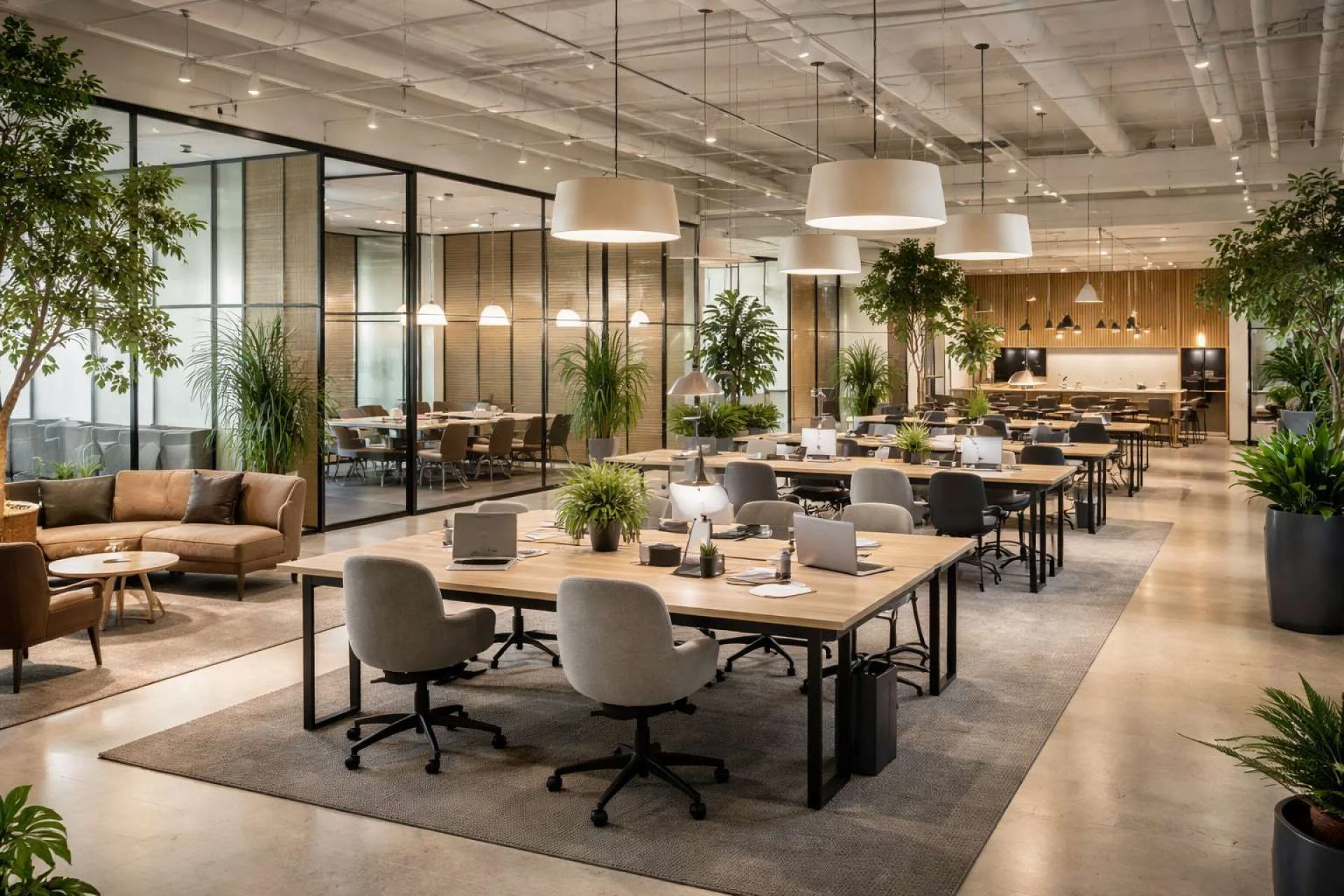

Co-working spaces have become one of the most popular workplace models in modern cities. Startups, freelancers, remote teams, and small businesses prefer flexible work environments that encourage productivity and collaboration. However, the success of a co-working space depends heavily on its design. A well-planned workspace can improve focus, creativity, and overall user experience. In this blog, we will explore practical office interior design tips for co-working spaces that help create a comfortable, functional, and inspiring environment for different types of professionals.
Why Office Interior Design Matters in Co-Working Spaces
A co-working office is very different from a traditional office. In a traditional workspace, employees usually belong to the same company. In contrast, co-working spaces host people from different industries, work styles, and schedules. This is why the design approach for these workspaces focuses on flexibility, comfort, and community.
Good office design helps to:
- Improve productivity and concentration
- Encourage collaboration and networking
- Create a welcoming and professional environment
- Support different work styles and needs
- Make the space visually appealing and memorable
When a co-working office is designed effectively, users feel more motivated, productive, and comfortable spending time in the workspace.
Understanding the Needs of Co-Working Users
Before designing a co-working office, it is important to understand who will use the space.
Different professionals use co-working spaces, such as:
- Freelancers
- Startup teams
- Remote employees
- Small businesses
- Consultants and creatives
Each group has different working styles. Some people prefer quiet areas, while others enjoy collaborative spaces.
Types of Work Zones to Include
A good co-working office should include:
- Open workstations
- Private cabins
- Meeting rooms
- Quiet zones
- Lounge areas
- Phone booths
This variety ensures that every user finds a comfortable place to work.
Create a Flexible Layout
Flexibility is one of the most important principles when applying office interior design tips for co-working spaces. Since different professionals use the space every day, the layout should adapt easily to changing needs.
Use Modular Furniture
Modular furniture is an excellent solution for flexible office layouts. It allows quick rearrangement based on team size or activities.
Examples include:
- Movable desks
- Foldable tables
- Stackable chairs
- Mobile partitions
These options make it easy to transform the workspace without major changes.
Open and Collaborative Spaces
Open spaces encourage interaction and teamwork. However, they should not feel crowded. Maintain proper spacing between desks to ensure comfort and privacy. An open layout also helps maximize natural light and create a welcoming environment.
Focus on Comfortable and Ergonomic Furniture
Comfort plays a huge role in productivity. People working in co-working spaces often spend long hours at their desks, so ergonomic furniture is essential.
Key Furniture Elements
Important furniture choices include:
- Adjustable chairs with lumbar support
- Height-adjustable desks
- Comfortable lounge seating
- Spacious work tables
Ergonomic furniture reduces fatigue and helps users maintain good posture throughout the day.
Balance Style and Comfort
While appearance matters, comfort should never be compromised. Choose furniture that is both stylish and practical. This is one of the most important aspects of office interior design because user comfort directly affects satisfaction and productivity.
Use Smart Lighting Design
Lighting plays a major role when implementing office interior design tips for co-working spaces because it directly affects productivity and comfort.
Maximize Natural Light
Natural light improves mental well-being and productivity. Large windows, glass partitions, and open layouts allow sunlight to flow across the workspace.
Combine Different Lighting Types
A well-designed office uses multiple lighting layers:
- Ambient lighting for general brightness
- Task lighting for desks and workstations
- Accent lighting for design features
This combination creates a balanced and comfortable environment. Avoid overly bright or harsh lights that cause eye strain.
Add Acoustic Solutions for Noise Control
Noise is one of the biggest challenges in co-working environments. When many people work in the same area, conversations and phone calls can create distractions.
Effective Noise Control Ideas
To maintain a productive atmosphere, consider:
- Acoustic wall panels
- Sound-absorbing ceiling tiles
- Carpets and rugs
- Phone booths for calls
- Quiet zones for focused work
These solutions help reduce noise and allow users to concentrate better. Noise management is an essential part of office interior design.
Create Inspiring Breakout and Lounge Areas
Co-working spaces are not only about work. They also support networking, creativity, and relaxation. Breakout areas provide informal spaces where people can take short breaks, brainstorm ideas, or have casual meetings.
Elements of a Good Lounge Area
Include features like:
- Comfortable sofas
- Coffee tables
- Relaxed seating arrangements
- Soft lighting
- Charging points
These areas encourage communication and build a strong community feeling within the workspace.
Incorporate Natural Elements
Bringing nature into office interiors is a popular design trend. Natural elements help create a calm, refreshing, and visually appealing work environment.
Benefits of Biophilic Design
Adding plants and natural materials helps to:
- Improve air quality
- Reduce stress
- Increase creativity
- Make the office visually attractive
Ways to Add Natural Touches
Some simple ideas include:
- Indoor plants
- Green walls
- Wooden furniture
- Natural textures and materials
Nature-inspired design is a powerful way to enhance the overall workspace experience.
Use Colors That Support Productivity
Color psychology plays a significant role in office interior design. The right colors can influence mood, focus, and creativity.
Best Colors for Co-Working Spaces
Some commonly used colors include:
- Blue – improves focus and calmness
- Green – reduces stress and supports balance
- Yellow – encourages creativity and energy
- Neutral tones – create a clean and professional look
Avoid overly bright or distracting color combinations. Instead, maintain a balanced palette that feels pleasant throughout the day.
Design Smart Storage Solutions
Co-working spaces must remain organized and clutter-free. Since multiple users share the workspace, storage solutions should be practical and secure.
Useful Storage Options
Include:
- Personal lockers
- Shared cabinets
- Document storage units
- Hidden storage furniture
Smart storage solutions keep the workspace organized and create a more comfortable environment for users.
Integrate Technology-Friendly Workspaces
Modern co-working spaces rely heavily on technology. The interior design should support digital connectivity and convenience. Many businesses also seek expert guidance from office space interior design services to ensure the workspace includes the right infrastructure, layout, and technology support for modern professionals.
Important Tech Features
Make sure the office includes:
- High-speed internet infrastructure
- Charging ports at every workstation
- Smart meeting rooms
- Digital booking systems for rooms
Technology-friendly design improves efficiency and supports modern working styles.
Maintain a Strong Visual Identity
Although co-working spaces host multiple businesses, they should still have a consistent design identity.
A well-defined visual theme helps the space feel professional and memorable.
Elements That Build Visual Identity
These may include:
- Unique wall graphics
- Inspiring quotes
- Modern artwork
- Creative signage
A strong visual identity enhances the experience for visitors and members alike.
Prioritize Cleanliness and Maintenance
Good design must also consider maintenance and durability.
Choose materials that are:
- Easy to clean
- Long-lasting
- Resistant to wear and tear
Regular maintenance keeps the workspace fresh and welcoming for all users.
Conclusion
Designing a successful workspace requires following practical office interior design tips for co-working spaces while balancing functionality, comfort, and creativity. When thoughtful design strategies are applied, it becomes possible to create an environment where professionals feel motivated, comfortable, and productive.
A well-designed co-working office should include flexible layouts, ergonomic furniture, proper lighting, acoustic solutions, and inspiring breakout areas. Natural elements, thoughtful color choices, and technology-friendly infrastructure also play a crucial role in enhancing the workspace experience.
When all these elements come together, a co-working space becomes more than just an office. It becomes a vibrant community where people can work, connect, and grow together.



























Sign in to leave a comment.