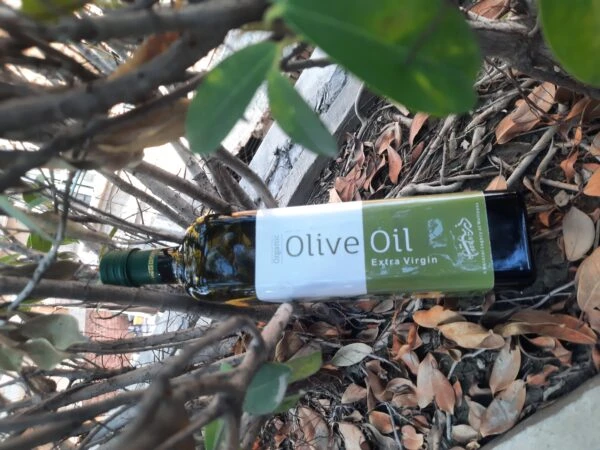
Long associated with health, tradition, and purity, olive oil has become the leading option for cooking in modern Pakistani homes. Whether drizzled over a fresh salad, stirred into a daal, or brushed onto a paratha, olive oil is proving to be the best fit for families looking to combine health with taste in their smart kitchens of 2025.
The Rise of Smart Kitchens in Pakistan
Before exploring why olive oil fits perfectly into this modern lifestyle, let’s understand what makes a kitchen “smart.”
- Appliances: Air fryers, induction stoves, and multifunctional cookers save time and energy.
- Storage: Organized cabinets and refrigeration systems preserve food better.
- Tech Integration: Voice-controlled assistants, recipe apps, and even AI-driven shopping lists.
- Health-Conscious Cooking: Tools designed for oil-free or low-oil cooking, reflecting changing dietary habits.
In such kitchens, families look for ingredients that align with efficiency, health, and sustainability. Olive oil naturally fits into this new way of living.
Why Olive Oil Matters in 2025
Pakistan, like much of the world, faces rising health concerns: obesity, diabetes, and heart disease are increasingly common. At the same time, awareness about healthy eating has grown. Families now want oils that support wellness without sacrificing flavor.
Olive oil offers the perfect balance:
- Rich in monounsaturated fats that support heart health.
- Packed with antioxidants like polyphenols and vitamin E.
- Gentle on digestion, making it suitable for all age groups.
- Versatile enough to blend with both traditional and modern recipes.
For smart kitchens designed to save time and energy, olive oil enhances both convenience and nutrition.
Olive Oil in Pakistani Cooking Traditions
One misconception is that olive oil is only suited for Mediterranean cuisine. But in reality, olive oil adapts beautifully to Pakistani dishes.
- Parathas: Brushed with olive oil instead of ghee, they stay tasty yet lighter.
- Curries and Karahis: Olive oil balances spices, creating rich flavors without heaviness.
- Pakoras and Kebabs: Air fried with a drizzle of olive oil for crispiness.
- Daal Tarka: Garlic and cumin sizzled in olive oil elevate everyday daal.
In smart kitchens, where air fryers and non-stick cookware are common, olive oil perfectly complements low-oil cooking methods.
Olive Oil vs. Other Oils in Pakistan
Let’s compare olive oil with other popular cooking fats:
- Banaspati Ghee: Traditional but high in trans fats, linked with heart problems.
- Sunflower Oil: Affordable but often over-refined, stripping nutrients.
- Soybean Oil: Cheap in bulk but highly processed.
- Canola Oil: Mild but less nutrient-rich compared to olive oil.
Olive oil stands apart because it is minimally processed and nutrient-dense, offering flavor and health benefits without compromise.
The Price Question in 2025
Price has always been a concern for olive oil in Pakistan. Imported bottles can feel expensive compared to local oils. But in 2025, the situation is changing:
- Local olive farming in Potohar, Balochistan, and KP is expanding, reducing reliance on imports.
- Smaller packaging makes olive oil accessible to middle-income families.
- Selective use — families use olive oil for finishing dishes and children’s meals, balancing cost with health.
In smart kitchens, where every ingredient is carefully chosen, olive oil is seen less as an expense and more as an investment in long-term wellness.
Olive Oil and Technology: A Smart Match
Smart kitchens are all about efficiency and precision. Olive oil complements this perfectly.
- Measured Use: Smart dispensers allow families to drizzle exact amounts, avoiding waste.
- Recipe Apps: Nutrition data integrates seamlessly when olive oil is chosen over refined oils.
- Health Tracking: Families monitoring cholesterol and sugar levels see olive oil as a natural ally.
Technology and tradition meet in every drizzle, making olive oil a natural choice for future kitchens.
Cultural and Spiritual Connection
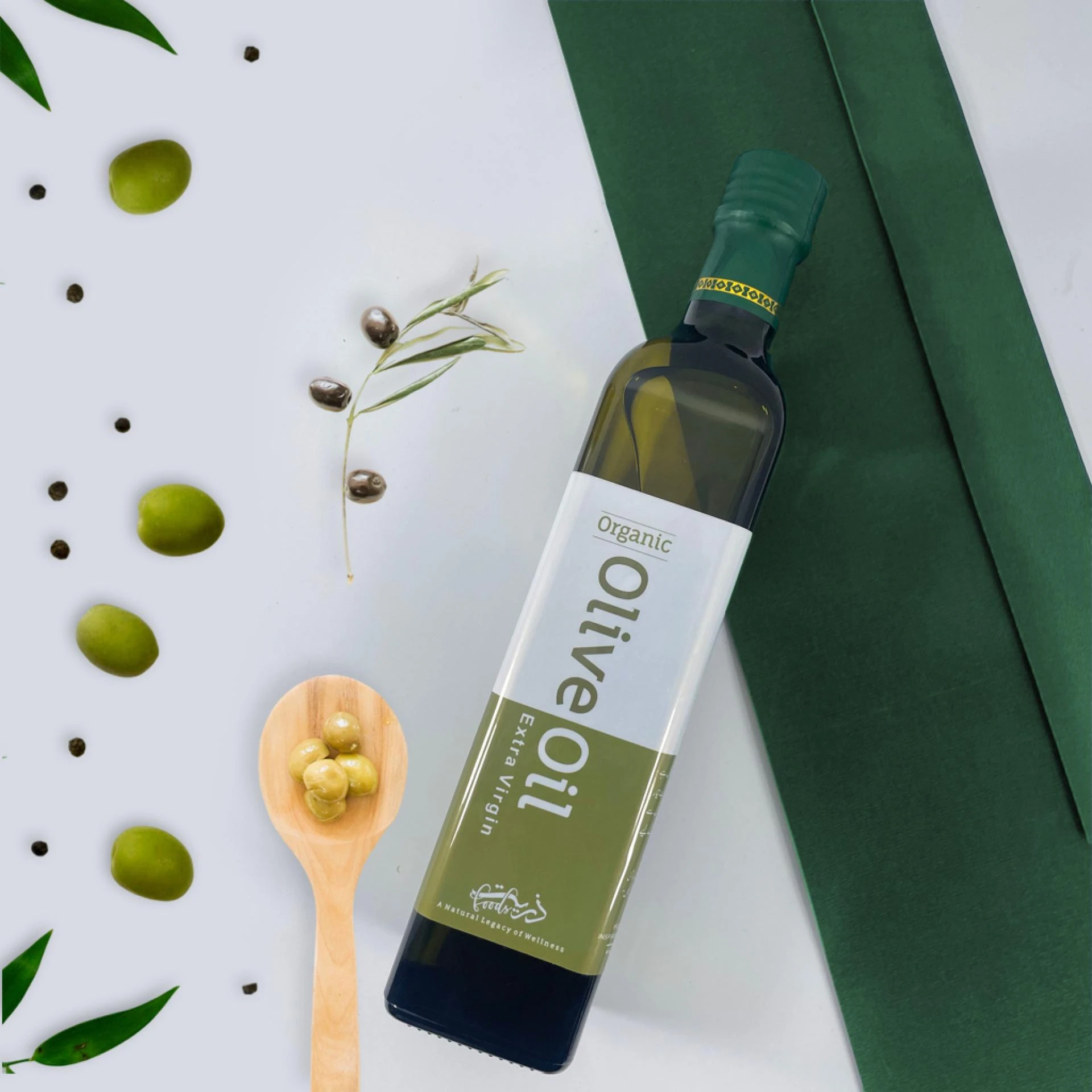
Beyond science, olive oil holds a deep emotional and cultural value in Pakistan. Mentioned in the Quran as a blessed tree, it carries spiritual weight. Families often associate it with purity, care, and wellness — qualities that align perfectly with the ethos of a smart, mindful lifestyle.
For parents, a spoon of olive oil in a child’s meal is not just nutrition but love. For elders, switching to olive oil is an act of self-care. For hosts, serving food with olive oil is a gesture of thoughtfulness.
How Olive Oil Shapes Healthy Living in Smart Kitchens
Olive oil isn’t just replacing other oils — it’s reshaping cooking habits:
- Less is more: Families drizzle instead of deep frying, reducing oil intake.
- Fusion cooking: Younger generations mix traditional recipes with global flavors.
- Everyday wellness: Olive oil isn’t just for special meals — it’s becoming part of daily life.
This transformation reflects the philosophy of smart kitchens: efficiency, balance, and wellness.
Practical Tips for Using Olive Oil in 2025
- Extra Virgin Olive Oil: Best for salads, dips, daal tarka, and finishing touches.
- Regular Olive Oil: Ideal for sautéing and shallow frying.
- Blending Oils: For deep frying, use neutral oils but add olive oil for flavor afterward.
- In Doughs: A spoon in paratha or roti dough adds nutrition without changing taste.
- Storage: Keep bottles in cool, dark places to preserve freshness.
These practices help families maximize olive oil’s benefits without overspending.
Olive Oil and Lifestyle Diseases in Pakistan
The health benefits of olive oil are particularly relevant in Pakistan today:
- Heart Disease: Olive oil lowers LDL cholesterol and reduces risk.
- Diabetes: Helps stabilize blood sugar and improve insulin sensitivity.
- Obesity: Promotes satiety, reducing overeating.
- Inflammation: Antioxidants support long-term health.
For families seeking preventive care, olive oil is more than just cooking oil — it’s a lifestyle choice.
Urban vs. Rural Adoption
- Urban Families: More likely to use olive oil due to awareness and availability.
- Rural Households: Ghee still dominates, though awareness campaigns are increasing.
- Middle-Income Families: Often use olive oil selectively, particularly for children and elders.
As local production expands, olive oil is expected to reach more households across the country.
The Future of Olive Oil in Pakistan
Looking ahead, olive oil’s role will only grow stronger:
- Local production will make it more affordable.
- Younger generations will normalize it as part of everyday cooking.
- Health awareness campaigns will further highlight its benefits.
By 2030, olive oil may well replace refined oils as the default choice for families seeking both health and taste.
In 2025, smart kitchens are not just about gadgets and apps — they are about making smarter choices for health and family well-being. And when it comes to cooking oils, olive oil leads the way.
It offers the perfect balance of flavor, nutrition, tradition, and modern science. It reduces health risks, adapts beautifully to Pakistani recipes, and carries cultural and spiritual value that resonates deeply with families.











Sign in to leave a comment.