
The Sultanate of Oman, strategically located on the Arabian Peninsula, boasts a thriving construction sector. This industry is a crucial pillar of the Omani economy, contributing significantly to the GDP and acting as a major employer. This article delves into the current landscape of the Oman construction market, exploring its size, growth projections, key drivers, and potential challenges.
Market Size and Growth Trajectory
The Omani construction market is estimated to be valued at USD 6.82 billion in 2024, with a projected growth rate of 3.30% to reach USD 8.02 billion by 2029 [1]. This steady growth indicates a promising future for the industry.
Factors Fueling Growth
Several key factors are propelling the Omani construction market forward:
- Government Initiatives: The Omani government plays a critical role in driving construction activity. Through economic diversification plans and increased spending on key non-oil sectors, the government is fostering infrastructure development and stimulating private investments. Vision 2040, a long-term development strategy, outlines ambitious goals for creating a knowledge-based economy, which will necessitate significant construction projects across various sectors.
- Megaprojects: Oman is witnessing a surge in megaprojects, encompassing tourism developments, transportation networks, and industrial zones. These large-scale ventures attract substantial investments and create significant demand for construction materials, equipment, and manpower. Examples include the Duqm Refinery Project, Muscat International Airport expansion, and the Oman Rail network.
- Real Estate Boom: The Omani real estate market is experiencing renewed interest from investors. The government’s recent relaxation of foreign ownership rules, allowing property purchases outside of integrated tourism complexes, is expected to attract further capital inflows. This will fuel residential and commercial construction activity.
- Infrastructure Development: Upgrading and expanding Oman’s infrastructure is a top priority. Investments are being directed towards building new roads, bridges, ports, and utilities. This focus on infrastructure development will create lucrative opportunities for construction companies.
Market Segments
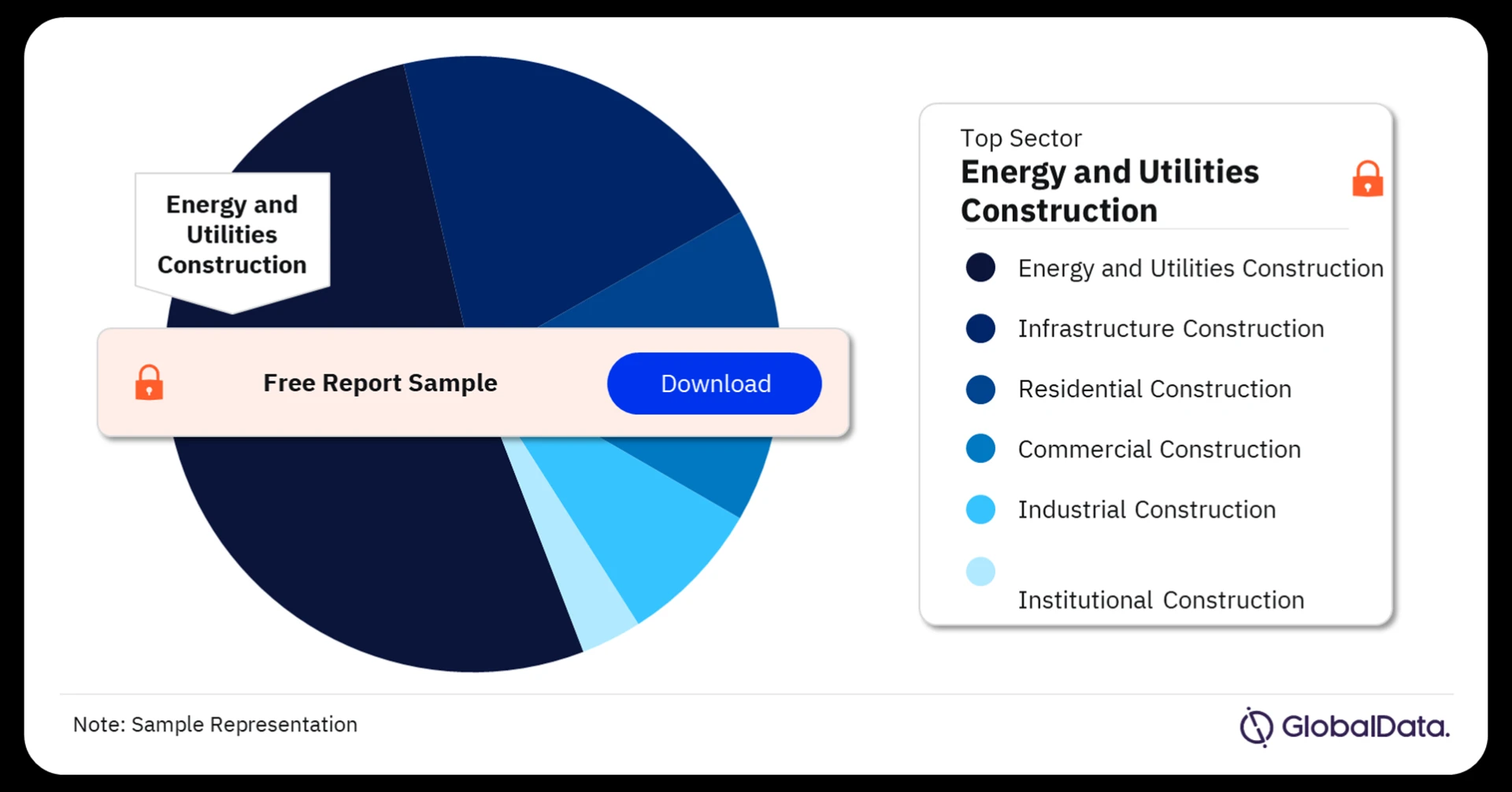
The Omani construction market caters to diverse segments, each with its own growth dynamics:
- Residential Construction: Driven by increasing population, urbanization trends, and growing demand for affordable housing, the residential construction segment is a major contributor to the market.
- Non-residential Construction: This segment encompasses commercial buildings, offices, hospitals, educational institutions, and industrial facilities. Government spending on healthcare, education, and tourism is propelling growth in this segment.
- Infrastructure Construction: Investments in transportation networks, water and sanitation systems, and power generation are fueling the growth of this segment.
Challenges and Opportunities
Despite the positive outlook, the Omani construction market faces certain challenges:
- Skilled Labor Shortage: The rapid growth of the construction industry has exposed a shortage of skilled labor. The government is taking steps to bridge this gap by promoting vocational training and encouraging foreign skilled workers.
- Fluctuations in Oil Prices: Oman’s economy is still heavily reliant on oil exports. Fluctuations in oil prices can impact government spending on construction projects.
- Competition: The Omani construction market is becoming increasingly competitive, with both local and international companies vying for projects. This necessitates continuous improvement in efficiency and cost-effectiveness for domestic companies.
Looking Ahead
The Omani construction market presents a compelling picture for investors and construction companies. With government backing, megaprojects on the horizon, and a burgeoning real estate sector, the industry is poised for sustained growth. By addressing challenges like skilled labor shortages and adapting to a competitive landscape, Oman can solidify its position as a leader in the GCC construction sector.
The Road Ahead: Embracing Innovation and Sustainability
As the Omani construction market evolves, there will be a growing focus on:
- Innovation: The adoption of innovative technologies like Building Information Modeling (BIM) and prefabrication will enhance efficiency and project delivery timelines.
- Sustainability: There will be a growing emphasis on using eco-friendly materials and practices to reduce the environmental impact of construction projects.
- Public-Private Partnerships (PPPs): Collaborations between the government and private sector will play a crucial role in financing and developing major infrastructure projects.
Conclusion
The Omani construction market stands at a pivotal juncture. With a robust growth trajectory, strategic government initiatives, and a focus on innovation, the industry is well-positioned to contribute significantly to Oman’s economic diversification and long-term development goals. By embracing new technologies, prioritizing sustainability, and fostering a collaborative environment, the Omani construction market can solidify its position as a key driver of growth in the region.
Buy the Full Report for more Sector Insights into the Oman Construction Market, Download a Free Report Sample



























Sign in to leave a comment.