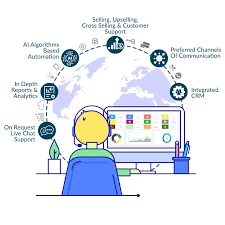

In the ever-evolving realm of customer interaction, businesses are on a perpetual quest for groundbreaking solutions to elevate engagement and satisfaction. A standout solution that has garnered significant attention is the Omnichannel Customer Interaction Platform. In this article, we embark on an exploration of the platform's key features, benefits, and its profound impact on businesses endeavoring to deliver a seamlessly integrated customer experience.
Understanding Omnichannel Customer Interaction
Omnichannel customer interaction transcends the conventional multichannel approach. It intricately weaves together various communication channels, encompassing email, chat, social media, and phone, into a unified platform. This intricate integration ensures a customer experience that is not only consistent but also personalized across all touchpoints.
Key Features of an Omnichannel Customer Interaction Platform
Unified Customer Profiles
At the core of the omnichannel approach lies the creation of centralized customer profiles, amalgamating information from diverse channels. This holistic view empowers businesses to comprehend customer preferences and history, thereby facilitating more nuanced and personalized interactions.
Real-time Communication
The platform's prowess in enabling real-time communication empowers customers to seamlessly traverse between channels without forfeiting context. Be it initiating a conversation on a website chat and subsequently transitioning to a phone call, the platform ensures a seamless continuation of the interaction.
Cross-Channel Consistency
Maintaining uniformity across channels poses a challenge for many businesses. The omnichannel platform steps in to ensure that messaging, branding, and the overall customer experience remain harmonized, irrespective of the chosen channel.
Data Analytics and Insights
Embedded within the platform are advanced analytics tools that yield valuable insights into customer behavior. Armed with this data, businesses can make informed decisions, fine-tune their strategies, and elevate overall customer satisfaction.
Benefits of Implementing an Omnichannel Customer Interaction Platform
Enhanced Customer Experience
In an era where customers demand seamlessness and personalization, the omnichannel approach stands as a guardian of consistency. Customers receive service and information consistently across channels, fostering heightened satisfaction and loyalty.
Improved Operational Efficiency
Centralizing customer interactions becomes a linchpin for streamlining processes within businesses. Agents gain access to a comprehensive view of customer interactions, slashing response times and minimizing the probability of errors.
Increased Customer Engagement
The offering of multiple communication channels provides businesses with the means to engage customers according to their preferences. This flexibility not only spikes customer engagement but also unfurls novel opportunities for interaction.
Better Targeting and Personalization
Insights derived from omnichannel analytics equip businesses to target their audience more effectively. The personalized communication that follows, rooted in customer preferences, serves as a catalyst for higher conversion rates and a more devoted customer base.
Impact on Business Verticals
Retail
In the retail domain, the omnichannel approach facilitates customers' seamless transitions between online and offline channels. This flexibility enriches the overall shopping experience, from virtual product browsing to seeking in-store assistance.
E-commerce
E-commerce enterprises reap the benefits of omnichannel platforms by ensuring a consistent shopping experience across websites, mobile apps, and social media. Real-time communication further aids in promptly addressing customer queries.
Financial Services
The financial services sector witnesses the omnichannel approach ensuring secure customer access to banking services through various channels. This spans online banking, mobile apps, and in-person interactions at physical branches.
Hospitality
In the hospitality industry, the omnichannel platform serves as a facilitator of communication from the initial booking stages to the final check-out. Guests leverage multiple channels for reservations, assistance, and feedback, enriching their overall experience.
Implementing an Omnichannel Strategy
Assessing Customer Touchpoints
A crucial step involves identifying every touchpoint where customers interact with a business. This spans websites, social media, email, phone, and physical locations.
Choosing the Right Platform
Selecting an omnichannel platform entails aligning it with business goals and ensuring seamless integration with existing systems. Considerations include scalability, ease of use, and compatibility with specific industry requirements.
Employee Training
Effectively utilizing the omnichannel platform requires comprehensive employee training. Emphasizing the importance of delivering a consistent and personalized experience across all channels becomes a focal point.
Continuous Monitoring and Optimization
Regular monitoring of customer interactions and gathering feedback forms the backbone of strategy optimization. This ensures that the omnichannel approach evolves to meet the dynamic expectations of customers.
Conclusion
The Omnichannel Customer Interaction Platform is not merely a trend; it has become a necessity for businesses aspiring to thrive in today's fiercely competitive landscape. By delivering a seamless, consistent, and personalized experience across myriad channels, businesses can forge enduring relationships with their customers. Implementing an omnichannel strategy transcends the realm of technology; it embodies a transformative shift in how businesses engage with their audience in the digital age.










Sign in to leave a comment.