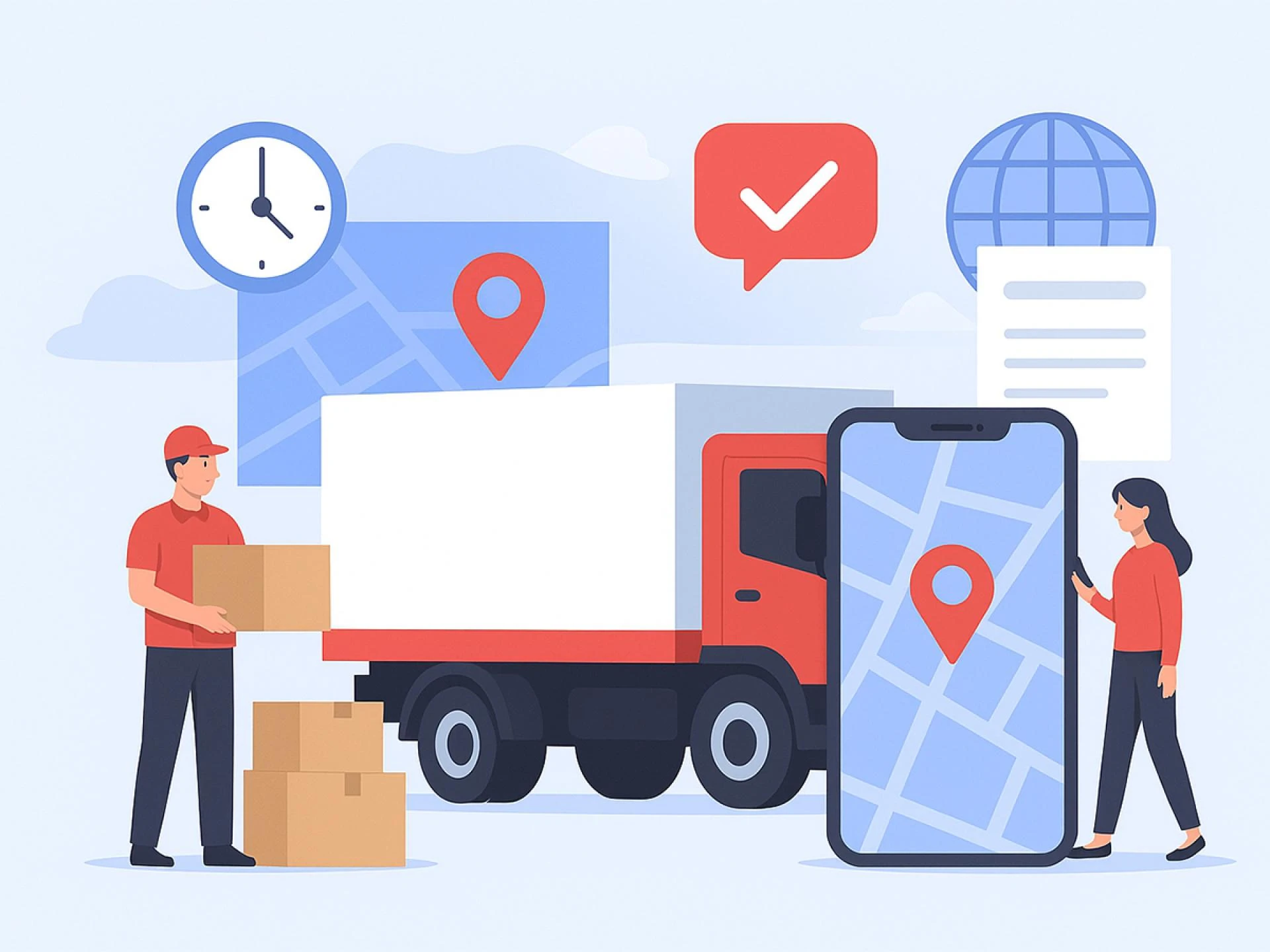

If you have ever wondered, after seeing apps like Uber or DoorDash, “Why can’t my startup create a logistics app that works like this?”, then you’re already thinking in the right direction! The logistics sector is rapidly evolving, and on-demand logistics app development is at the heart of this transformation.
But where do you start? How can you build a logistics app that meets real-world needs, ensures timely deliveries, and provides a seamless experience for both businesses and users? More importantly, how much does it cost to develop an on-demand logistics app, and what features are truly essential?
In this guide, I’ll cover everything—from the must-have features and benefits to the cost of developing a next-generation logistics app.
What is On-Demand Logistics App Development?
On-demand logistics app development is the process of designing and building mobile and web applications that simplify the movement of goods and services. These apps help businesses, drivers, and customers coordinate deliveries in real-time, optimize routes, and track shipments efficiently.
The goal of these apps is to make logistics faster, more transparent, and cost-effective by using modern technologies such as GPS tracking, AI-powered route optimization, cloud-based systems, and real-time analytics.
Why Businesses Need an On-Demand Logistics App
On-demand logistics apps offer tangible benefits for startups and established businesses alike:
- Faster Deliveries – Reduce delays with efficient route planning and real-time driver coordination.
- Better Customer Experience – Live tracking, notifications, and easy payments improve satisfaction.
- Operational Efficiency – Automation reduces manual errors, saves time, and improves resource management.
- Data-Driven Decisions – Analytics help businesses understand trends, optimize operations, and increase profits.
Key Types of On-Demand Logistics Apps
Here are the common types of logistics apps startups are building today:
1. Parcel and Courier Delivery Apps
These apps allow users to request delivery services for parcels, documents, or packages. Features include real-time tracking, scheduling, and payment integration. Apps like Postmates and Uber Connect have set new standards for quick and reliable delivery services.
2. Freight and Trucking Apps
Designed for businesses, these apps help manage long-haul deliveries, optimize truck loads, and reduce idle time. Features include route planning, fleet management, and driver assignment. Examples include Convoy and Transfix, which connect shippers with carriers efficiently.
3. Grocery and Food Delivery Apps
These apps cater to immediate consumer needs by connecting restaurants or grocery stores with delivery drivers. They offer order tracking, live notifications, and secure payments. DoorDash and Instacart are leading examples.
4. Courier Management Apps for Businesses
These apps allow businesses to manage multiple deliveries, track drivers, and automate dispatch. They streamline workflow, reduce errors, and improve customer satisfaction.
5. Fleet Management Apps
Fleet management apps monitor vehicles in real-time, maintain records, track fuel usage, and predict maintenance needs. They help logistics companies save costs and improve operational efficiency.
Must-Have Features in an On-Demand Logistics App
Developing an effective logistics app requires several core features:
- Real-Time Tracking – Allows customers and managers to monitor deliveries in real-time.
- Route Optimization – AI-driven algorithms help drivers reach destinations faster while reducing fuel costs.
- Secure Payment Integration – Ensures smooth and safe transactions within the app.
- Push Notifications – Keep users updated about order status, delivery time, and delays.
- Driver and Customer Profiles – Simplifies verification, ratings, and feedback collection.
- Analytics Dashboard – For businesses to monitor performance, delivery times, and customer satisfaction.
Advanced features may include multi-stop delivery, automated dispatch, predictive analytics, and integration with e-commerce platforms.
Steps to Develop an On-Demand Logistics App
Market Research
Identify your target audience, understand their pain points, and evaluate competitors. Ask:
- What delivery problems are users facing?
- Which services are missing in the market?
Define Features and Requirements
List core and advanced features according to user needs. Prioritize real-time tracking, payment security, and notifications.
Hire a Development Partner
For startups, collaborating with a reliable logistics app development company can save time and cost. Look for expertise in app architecture, cloud integration, and route optimization.
Design User-Friendly UI/UX
A clean, intuitive interface ensures that drivers and customers can use the app effortlessly. Focus on simple registration, clear dashboards, and smooth navigation.
Build an MVP
Develop a Minimum Viable Product with core features. This helps validate your idea, gather feedback, and refine the app before full-scale development.
Testing and Launch
Thoroughly test the app for performance, security, and usability. Once validated, launch on Google Play and App Store. Continuous updates and feature upgrades ensure long-term success.
Cost to Develop an On-Demand Logistics App
The cost depends on app complexity, features, and platform choice. On average:
- Basic app: $15,000 – $30,000
- Advanced app with analytics and real-time tracking: $40,000 – $80,000+
Factors influencing cost include platform (iOS, Android, or both), third-party integrations, backend infrastructure, and developer expertise.
Conclusion
If your startup wants to scale faster, reduce operational challenges, and meet growing delivery demands, investing in on-demand logistics app development is the way forward. By understanding user needs, including the right features, and collaborating with a trusted logistics app development company, you can launch a powerful logistics platform that transforms the delivery experience for businesses and customers alike.























Sign in to leave a comment.