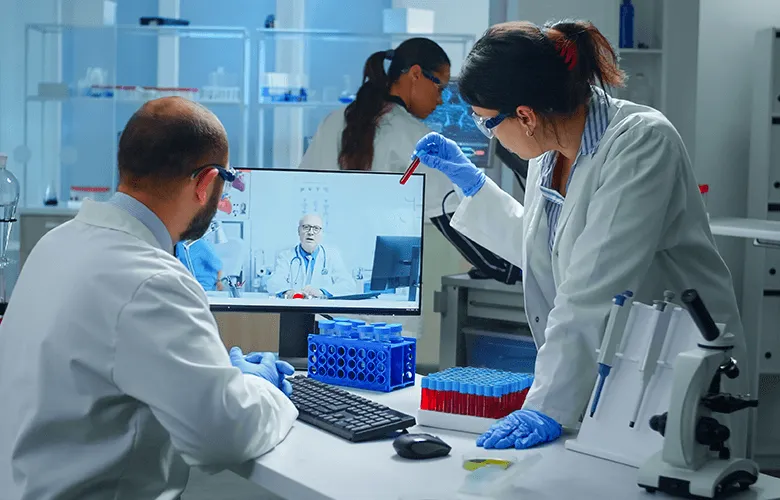

If you’ve been searching for a way into clinical research, you’ve probably seen dozens of training programs online. That’s where an online clinical research associate certification can make things easier.
Some look great. Some feel confusing. And honestly, a few just sound too good to be true. Clinical research is growing fast. Pharma companies, CROs, and hospitals need trained professionals who understand trials, patient safety, and research rules. But here’s the thing. Many fresh graduates struggle because they don’t know where to begin.
That’s why online certification programs are getting popular. They help people learn real industry skills without attending full-time classes. For many students and working professionals, that flexibility matters a lot.
At Medipharmsolutions, learners often look for practical training that matches real industry expectations. Not just theory. Real skills that employers actually ask for during interviews.
What Is an Online Clinical Research Associate Certification?
An online clinical research associate certification is a training program designed for people who want to work in clinical trials. It teaches the basics of clinical research, trial monitoring, ethics, documentation, and regulatory guidelines.
Clinical Research Associates, often called CRAs, help manage clinical studies. They check if trials follow proper rules and ensure patient safety remains protected.
Sounds serious? It is.
But the work is also rewarding. You become part of the process that helps bring new medicines and treatments to patients.
Most online programs include topics like:
- ICH-GCP guidelines
- Clinical trial phases
- Case report forms
- Adverse event reporting
- Trial monitoring
- Site management
- Regulatory documentation
You’ve probably noticed many institutes promise “100% placement.” Be careful with that. A good course should focus on building skills first. Placements come later when your knowledge becomes strong.
Why Students Prefer Online Learning
A few years ago, people mostly joined classroom programs. Now things have changed. Online learning feels more practical for many students.
Think about it. You can study from home, manage your schedule, and avoid travel expenses. That matters when someone is already working or preparing for exams.
Here’s the funny thing. Some students actually learn better online because they can replay lectures. In a classroom, once a topic is missed, it’s gone.
An online clinical research associate certification also gives access to recorded sessions, digital notes, and live projects in some programs. That makes learning less stressful.
And honestly, flexibility helps people stay consistent.
Skills You Learn During CRA Training
Understanding Clinical Trial Monitoring
One of the biggest responsibilities of a CRA is monitoring clinical trials. This means checking study data, reviewing reports, and making sure sites follow regulations properly.
You learn how monitoring visits work and what sponsors expect from research teams.
Trust me, this part matters a lot during interviews.
Employers often ask scenario-based questions. They want to know if you understand practical trial situations.
Communication and Documentation
Clinical research runs on documentation. Every detail must be recorded clearly.
A strong online clinical research associate certification teaches students how to maintain trial records, communicate with investigators, and prepare monitoring reports.
That may sound simple, but poor documentation creates major problems during audits.
Good communication skills also help when working with doctors, sponsors, and ethics committees.
Who Should Join an Online CRA Certification?
The course works well for:
- Life science graduates
- Pharmacy students
- Nurses
- Biotechnology graduates
- Medical professionals
- Freshers entering clinical research
Even working professionals join these programs to switch careers.
Some students feel nervous because they have no experience. That’s normal. Everyone starts somewhere.
The key is learning the basics properly and building confidence slowly.
Career Opportunities After Certification
Clinical research offers several career paths. Many students begin as Clinical Research Coordinators or Clinical Trial Assistants before moving into CRA roles.
After completing an online clinical research associate certification, candidates may apply for positions like:
- Clinical Research Associate
- Clinical Trial Coordinator
- Pharmacovigilance Associate
- Regulatory Affairs Executive
- Clinical Data Associate
The industry keeps growing because pharmaceutical companies continue developing new treatments.
That means trained professionals remain in demand.
Of course, salary depends on skills, communication, and experience. But clinical research can become a stable long-term career.
How to Choose the Right Certification Program
Not every course gives the same value. Some focus only on theory. Others include practical exposure and mentorship.
Before joining any online clinical research associate certification, check a few things carefully.
Course Curriculum Matters
Look at the subjects covered in the program. A strong course should include:
- GCP guidelines
- Trial monitoring
- Pharmacovigilance basics
- Clinical data management
- Regulatory processes
If the syllabus looks too short, that’s a warning sign.
Trainer Experience Makes a Difference
Students learn better from professionals who have worked in the industry.
Real examples help people understand how clinical trials actually work. Textbook explanations alone rarely feel enough.
At Medipharmsolutions, many learners prefer industry-focused sessions because they connect theory with practical situations.
That practical approach helps during interviews.
Placement Support and Guidance
No institute can guarantee jobs for everyone. But proper career guidance definitely helps.
Resume preparation, mock interviews, and career counseling can improve confidence.
You’d be surprised how many students fail interviews simply because they panic or struggle to explain concepts clearly.
Common Mistakes Students Make
A lot of students rush into courses without research. They see flashy advertisements and join immediately.
That usually backfires.
Some programs provide outdated material. Others skip practical training completely.
Another mistake is expecting instant results.
Clinical research is a professional field. Learning takes time. Interviews require preparation. Confidence grows slowly.
But students who stay patient often perform much better in the long run.
Is Online Certification Enough to Get a Job?
This question comes up all the time.
The honest answer? Certification alone may not guarantee a job. But it definitely improves your chances.
Companies want candidates who understand industry basics. An online clinical research associate certification helps build that foundation.
Practical knowledge, communication skills, and confidence matter equally.
The good news is that many employers now accept online training seriously, especially when the program includes real-world exposure.
That wasn’t always true before, but the industry has changed.
The Future of Clinical Research Careers
Clinical trials continue expanding across the world. New therapies, vaccines, and medical technologies require skilled professionals.
India has also become an important destination for clinical research and pharmacovigilance work.
So, students entering this field now may find strong career opportunities in the coming years.
The demand for trained CRAs, safety associates, and clinical operations professionals is expected to grow steadily.
That’s one reason many fresh graduates are exploring online certifications instead of waiting endlessly for traditional opportunities.
Final Thoughts
Choosing an online clinical research associate certification can be a smart move if you want to enter the clinical research industry with confidence.
The right course helps you understand industry standards, improve practical skills, and prepare for real job roles.
But don’t choose a program only because of marketing promises. Look for quality training, experienced mentors, and practical learning.
That combination matters far more.
At the end of the day, clinical research is about responsibility. Patients trust the process. Companies depend on accurate data. And trained professionals help keep everything running safely.
If you’re serious about building a career in this field, learning the right way from the start makes a huge difference.


























Sign in to leave a comment.