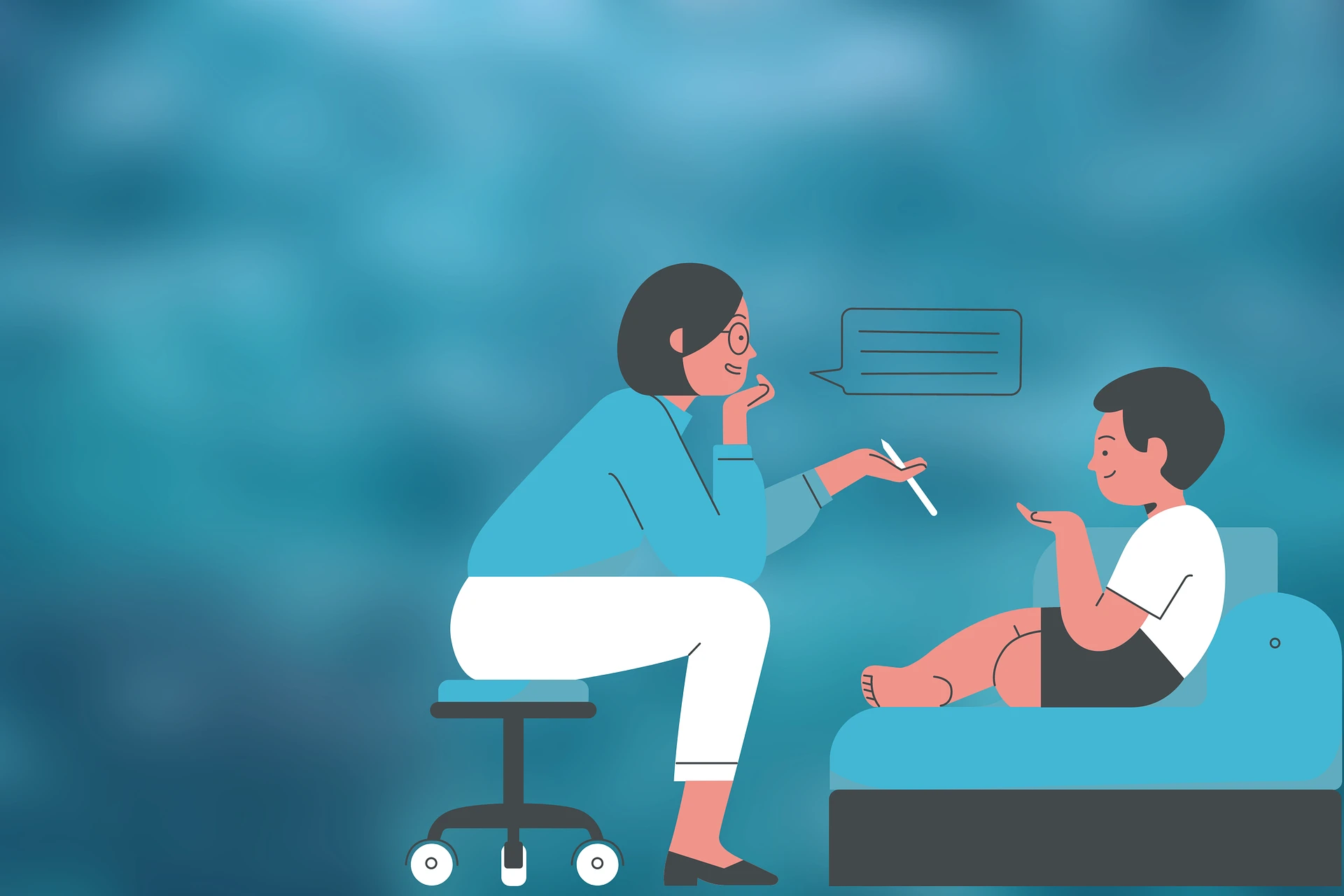

Bipolar disorder is a complex mental health condition that affects millions of people worldwide, often disrupting relationships, careers, and daily functioning. For many individuals, consistent and accessible care is essential for managing symptoms effectively. In recent years, online bipolar disorder therapy has emerged as a transformative solution, offering flexible and timely support to those who may otherwise struggle to access traditional in-person care.
As digital mental health services expand, related models such as online adhd therapy california and other virtual psychiatric services are reshaping how care is delivered. These platforms are not only improving access but also reducing stigma and providing personalized treatment options. Understanding how online therapy works—and why it matters—can help individuals and healthcare consumers make informed decisions about managing bipolar disorder.
Understanding Bipolar Disorder and Its Challenges
Bipolar disorder is characterized by extreme mood swings, including emotional highs (mania or hypomania) and lows (depression). These fluctuations can vary in intensity and duration, often making diagnosis and treatment complex.
Common Symptoms
- Manic episodes: Increased energy, reduced need for sleep, impulsive decisions
- Depressive episodes: Persistent sadness, fatigue, loss of interest, difficulty concentrating
- Mixed episodes: Simultaneous symptoms of mania and depression
Without proper treatment, these symptoms can significantly impair daily life. Traditional therapy and medication remain the cornerstone of care, but barriers such as geographic limitations, cost, and stigma often prevent individuals from seeking help.
The Rise of Online Therapy in Mental Health Care
Digital transformation in healthcare has led to the rapid growth of teletherapy services. Online therapy platforms connect patients with licensed mental health professionals through video calls, messaging, or phone sessions.
Why Online Therapy Is Gaining Popularity
- Accessibility: Individuals in remote or underserved areas can receive care
- Convenience: Flexible scheduling reduces disruption to daily routines
- Privacy: Patients can seek help without fear of social stigma
- Continuity of care: Easier to maintain regular sessions
For bipolar disorder sufferers, consistency is critical. Online therapy makes it easier to adhere to treatment plans, even during periods of instability.
How Online Therapy Supports Bipolar Disorder Management
Effective management of bipolar disorder requires a combination of psychotherapy, medication, and lifestyle adjustments. Online therapy plays a vital role in this integrated approach.
Cognitive Behavioral Therapy (CBT) and Beyond
CBT is one of the most commonly used therapeutic approaches for bipolar disorder. Online platforms allow therapists to deliver structured CBT sessions that help patients:
- Identify negative thought patterns
- Develop coping strategies
- Improve emotional regulation
Other modalities, such as interpersonal therapy (IPT) and psychoeducation, are also widely available online.
Real-Time Monitoring and Support
Many online therapy services incorporate digital tools such as mood trackers, journaling features, and symptom assessments. These tools enable:
- Early detection of mood changes
- Data-driven treatment adjustments
- Enhanced patient self-awareness
This level of continuous monitoring is particularly beneficial for bipolar disorder, where early intervention can prevent severe episodes.
Benefits of Online Therapy for Bipolar Disorder Sufferers
Online therapy offers several unique advantages that make it especially suitable for individuals managing bipolar disorder.
Improved Access to Specialists
Not all regions have mental health professionals with expertise in bipolar disorder. Online platforms bridge this gap by connecting patients with qualified specialists regardless of location.
Reduced Barriers to Care
Common obstacles such as transportation issues, time constraints, and physical limitations are minimized. This is particularly important during depressive episodes, when motivation to attend in-person sessions may be low.
Enhanced Comfort and Engagement
Receiving therapy in a familiar environment can make patients feel more at ease, encouraging openness and honesty during sessions. This can lead to stronger therapeutic relationships and better outcomes.
Continuity During Life Transitions
Whether traveling, relocating, or experiencing life changes, patients can maintain consistent care without interruption. Stability in treatment is crucial for managing bipolar disorder effectively.
Potential Limitations and Considerations
While online therapy offers many benefits, it is important to consider its limitations.
Not Suitable for Crisis Situations
Individuals experiencing severe manic episodes or suicidal ideation may require immediate, in-person intervention. Online therapy should complement—not replace—emergency care when needed.
Technology and Accessibility Issues
Reliable internet access and digital literacy are necessary for effective participation. Technical difficulties can occasionally disrupt sessions.
Importance of Licensed Professionals
Patients should ensure that they are working with licensed and qualified therapists. Verifying credentials is essential for receiving safe and effective care.
Practical Tips for Getting the Most Out of Online Therapy
To maximize the benefits of online therapy, individuals should adopt a proactive approach.
Establish a Routine
Consistency is key. Scheduling sessions at regular intervals helps maintain progress and stability.
Create a Dedicated Space
Choose a quiet, comfortable environment for therapy sessions to minimize distractions and enhance focus.
Be Honest and Open
Transparency with your therapist allows for more accurate assessments and effective treatment planning.
Utilize Digital Tools
Take advantage of mood trackers, journaling apps, and other resources provided by online platforms to monitor your mental health.
The Future of Online Therapy for Bipolar Disorder
The future of mental health care is increasingly digital. Advances in artificial intelligence, data analytics, and telehealth infrastructure are expected to further enhance the effectiveness of online therapy.
Emerging trends include:
- Personalized treatment plans based on real-time data
- Integration with wearable devices for continuous monitoring
- Expanded access to multidisciplinary care teams
As these innovations evolve, online therapy is likely to become an even more integral component of bipolar disorder management.
Conclusion
Online therapy has become a vital resource for individuals living with bipolar disorder, offering accessible, flexible, and consistent care. By addressing many of the traditional barriers to treatment, it empowers patients to take control of their mental health in a more manageable and personalized way. While it may not replace all aspects of in-person care, its role as a supportive and effective tool continues to grow—providing hope and stability for those navigating the challenges of bipolar disorder.


























Sign in to leave a comment.