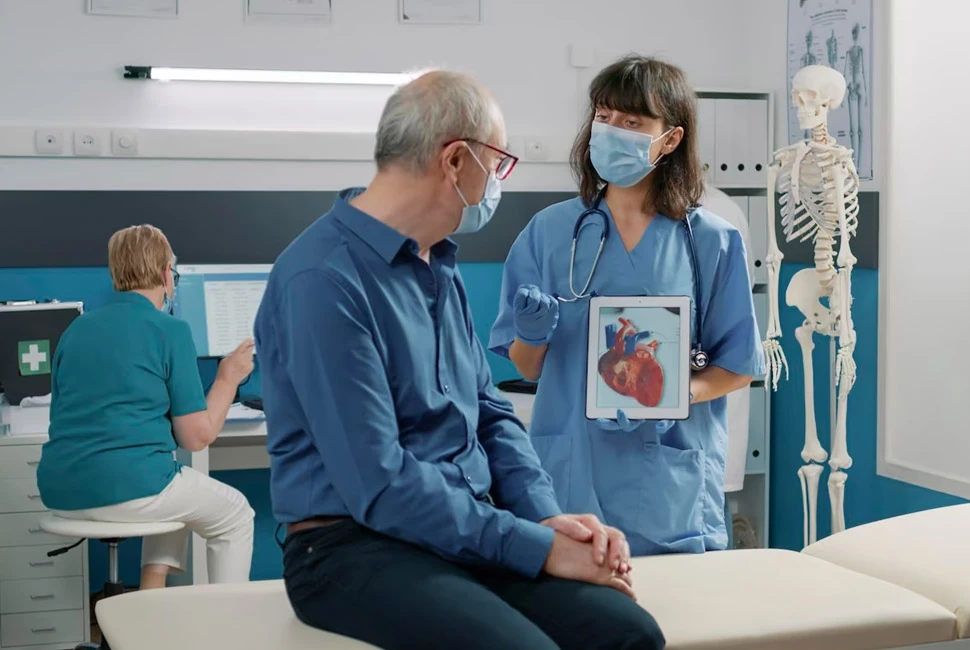

Open-heart surgery stands as a significant medical intervention, often necessary to address critical cardiac conditions and restore healthier heart function.
Dr. Sujay Shad, an esteemed cardiac surgeon practicing at Sir Ganga Ram Hospital, renowned as the best heart hospital in Delhi, shares valuable insights into the realm of open-heart surgery, shedding light on its procedures, purposes, and recovery. Continue reading to learn more.
When Is An Open Heart Procedure Required?
One primary trigger for open-heart surgery is coronary artery disease (CAD), where the heart’s vital blood vessels constrict due to plaque buildup, hindering blood flow to the heart. This condition, if left untreated, might lead to a heart attack. Additionally, open-heart surgery becomes essential in cases of heart valve repair or replacement, rectifying abnormal heart tissues, implanting devices for optimal heart rhythm, and even performing heart transplants.
Types of Open-Heart Procedures
Open-heart surgery encompasses several procedures tailored to specific cardiac conditions:
Coronary Artery Bypass Grafting (CABG)A prevalent procedure involving the creation of alternate pathways for blood flow around blocked or narrowed coronary arteries using grafts sourced from other body parts or synthetic materials.
Valve Replacement or RepairRepairing or substituting damaged heart valves by removing the affected valve and replacing it with either mechanical or biological alternatives.
Heart TransplantReserved for severe heart failure cases involving the replacement of a diseased heart with a healthy donor heart.
Arrhythmia TreatmentAddressing irregular heartbeats by implanting pacemakers or ICDs (Implantable Cardioverter Defibrillators) and leveraging advanced ablation treatments.
The Open-Heart Surgery Process
Below is the step-by-step procedure involved in open-heart surgery:
Anesthesia: Patients receive anesthesia to induce sleep.Incision: A careful incision (8 to 10 inches) is made in the chest to access the heart.Heart-Lung Bypass Machine: To maintain blood flow, the patient is connected to this machine once the heart is visible.Grafting: Grafts from sources like the saphenous vein are used to create bypasses or repair damaged vessels.Closure: The incisions are meticulously closed post-procedure.
Recovery Period
Although recovery from open-heart surgery varies, an intensive care unit stay typically lasts one to two days. It is common for patients to feel tired and in pain following surgery. It is essential to closely follow the wound care instructions provided by the surgeon and to keep a close eye out for any indications of infection surrounding the chest wound. It remains essential to track the status of recovery through additional cardiac exams and testing.
Conclusion
It is very important to seek professional guidance and care when considering or recovering from open-heart surgery. With new developments in medical technology and the proficiency of highly trained surgeons, open heart surgery is becoming a more advanced procedure that gives patients with cardiac conditions new hope and better results.
People who would like more information about open-heart surgery are advised to make an appointment with Dr. Sujay Shad, a renowned surgeon for open heart surgery in Delhi at Sir Ganga Ram Hospital. His wealth of experience encompasses a diverse spectrum of heart surgeries, ranging from life-saving heart transplants and coronary bypass procedures to intricate surgeries addressing aortic issues, including aortic dissection. To learn more, consult Dr. Sujay Shad at Sir Ganga Ram Hospital now!

























Sign in to leave a comment.