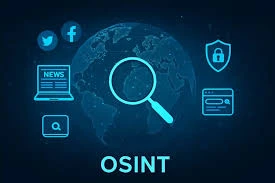

Governments around the world increasingly rely on open source intelligence (OSINT) to enhance national security, public safety, and policy decision-making. An open source intelligence platform for government enables agencies to collect, analyze, and act on publicly available data in a lawful and cost-effective way. This blog explains how open source intelligence software for government works, its benefits, and key use cases.
What Is Open Source Intelligence (OSINT)?
Open Source Intelligence refers to the process of collecting and analyzing information from publicly available sources to produce actionable intelligence.
Common OSINT sources include:
- Social media platforms
- News websites and blogs
- Government databases and public records
- Forums and discussion boards
- Multimedia sources (images, videos, podcasts)
- Dark web sources (where legally permitted)
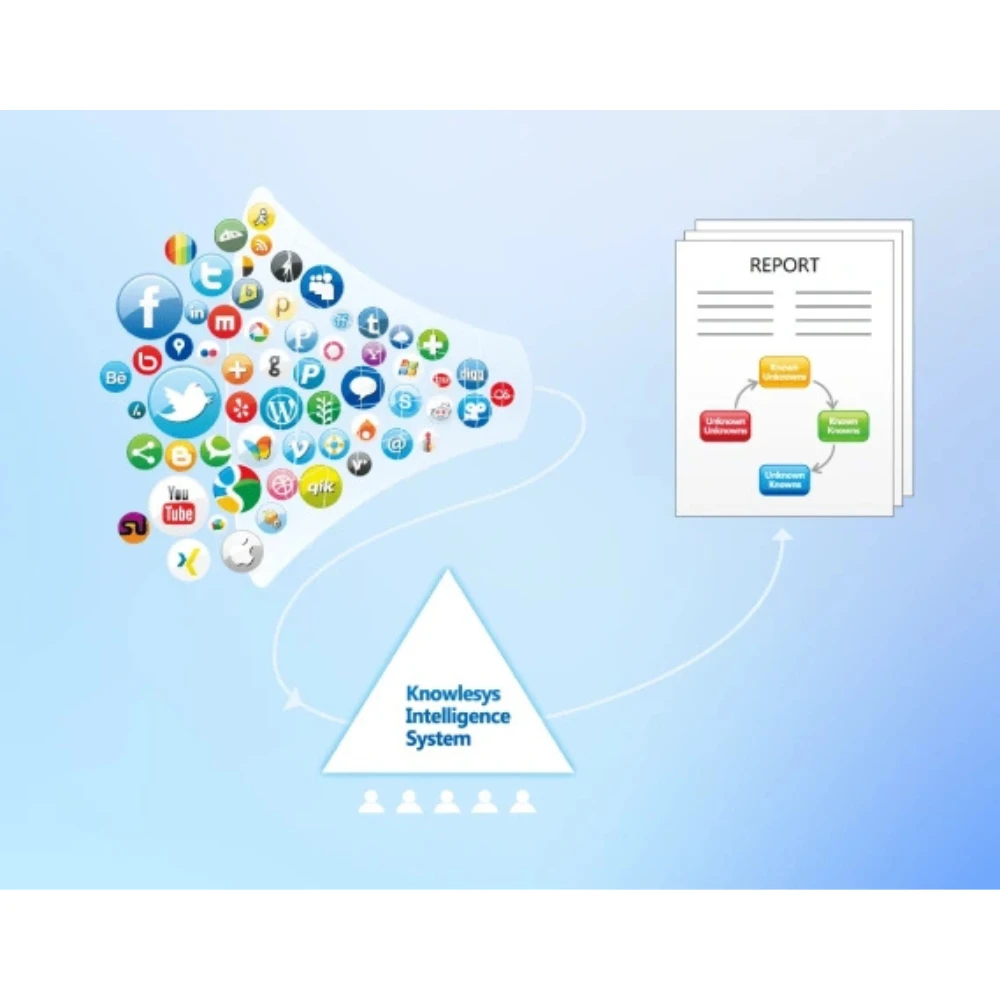
An open source intelligence platform for government centralizes these sources into a single system for monitoring, analysis, and reporting.
Why Governments Need an Open Source Intelligence Platform
Traditional intelligence methods alone are no longer sufficient in a fast-moving digital world. OSINT platforms provide real-time visibility into emerging threats and trends.
Key reasons governments adopt OSINT platforms:
- Rapid access to real-time information
- Early warning of security threats
- Improved situational awareness
- Cost-effective intelligence collection
- Support for data-driven policy decisions
Key Features of an Open Source Intelligence Platform for Government
A robust open source intelligence software for government is designed to handle large volumes of data securely and efficiently.
Core features include:
Automated data collection
Continuous monitoring of open web, social media, and public databases
Advanced analytics
AI and machine learning for pattern recognition and trend analysis
Multilingual support
Analysis across multiple languages and regions
Geospatial intelligence
Location-based insights and mapping
Real-time alerts
Notifications for emerging risks or anomalies
Custom dashboards
Role-based views for analysts and decision-makers
Secure data handling
Compliance with government security and privacy standards
Benefits of Open Source Intelligence Software for Government
Implementing an OSINT platform delivers measurable advantages across departments.
Major benefits include:
Enhanced national security
Identifies extremist content, misinformation, and potential threats
Improved law enforcement efficiency
Supports investigations with digital evidence from public sources
Crisis and disaster management
Monitors public sentiment and on-ground developments in real time
Policy and strategic planning
Tracks geopolitical trends and public opinion
Transparency and accountability
Uses legally accessible data with audit trails
Government Use Cases of OSINT Platforms
An open source intelligence platform for government supports a wide range of operational and strategic use cases.
Common use cases include:
Counterterrorism and extremism monitoring
Tracking online propaganda and recruitment activities
Cyber threat intelligence
Identifying data leaks, fraud, and cybercrime indicators
Border and immigration security
Monitoring migration trends and cross-border narratives
Public safety and law enforcement
Investigating criminal networks and illicit activities
Elections and misinformation analysis
Detecting coordinated influence operations
Health and emergency response
Monitoring outbreaks, disasters, and public response
Compliance and Ethical Considerations
Governments must use OSINT responsibly to maintain public trust.
Best practices include:
Collecting only publicly available data
Adhering to national data protection laws
Ensuring transparency in intelligence workflows
Applying strict access controls and audit logs
Avoiding unauthorized surveillance or profiling
A trusted open source intelligence software for government is built with privacy-by-design principles.
How to Choose the Right OSINT Platform for Government
Selecting the right platform is critical for long-term success.
Evaluation criteria include:
- Scalability to handle large data volumes
- Integration with existing government systems
- Customizable workflows and dashboards
- Strong analytics and visualization capabilities
- Proven experience with government clients
- Ongoing support and regular updates
Future of Open Source Intelligence in Government
The role of OSINT is expected to grow as digital data expands globally.
Emerging trends include:
Increased use of AI-driven intelligence analysis
Greater focus on predictive threat detection
Integration with classified intelligence systems
Enhanced real-time monitoring capabilities
An advanced open source intelligence platform for government will remain a cornerstone of modern intelligence operations.
Conclusion
An open source intelligence platform for government empowers agencies to transform public data into actionable insights. By adopting reliable open source intelligence software for government, authorities can improve security, strengthen governance, and respond proactively to emerging challenges.






























Sign in to leave a comment.