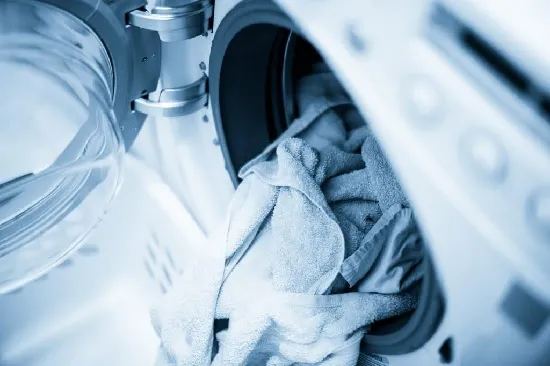

A well-organised hotel linen management system is essential for maintaining efficiency, reducing operational costs, and delivering a high standard of service in the hospitality industry. Hotels handle large volumes of linen daily, including bed sheets, towels, and uniforms, making it critical to adopt a structured and technology-driven approach to manage these assets effectively.
Traditional linen management methods often rely on manual tracking and monitoring, which can lead to inaccuracies, increased labour costs, and inefficiencies. Modern hotel linen management systems address these challenges by introducing advanced tools such as cloud-based platforms and RFID tracking technology. These systems provide full visibility into linen usage, enabling hotels to optimise their laundry processes and reduce unnecessary resource consumption.
One of the key benefits of a modern linen management system is its ability to monitor performance across all stages of the laundry cycle. From collection and sorting to washing and delivery, every step can be tracked and analysed. This helps identify inefficiencies, such as machines consuming excessive resources or underperforming equipment, allowing timely corrective actions to be taken.
Another important feature is real-time KPI tracking. Hotel managers can access detailed insights into resource usage, output levels, and operational efficiency. By analysing this data, they can make informed decisions that enhance productivity and reduce costs. This level of control is especially valuable in large-scale commercial laundries where multiple machines and processes operate simultaneously.
RFID-based linen tracking plays a significant role in improving accuracy and accountability. Each linen item is tagged and monitored throughout its lifecycle, ensuring precise counting and reducing the risk of loss or misplacement. This automation not only saves time but also enhances operational reliability by eliminating manual errors.
Additionally, equipment efficiency management is a critical component of an effective linen management system. By analysing machine performance, hotels can determine which equipment is operating optimally and which requires maintenance or replacement. This proactive approach helps minimise downtime and ensures consistent service quality.
The adoption of a hotel linen management system also supports sustainability goals. By closely monitoring resource consumption such as water, energy, and detergents, hotels can reduce waste and operate in a more environmentally responsible manner. Over time, this leads to significant cost savings and improved operational efficiency.
In conclusion, a modern hotel linen management system empowers hospitality businesses to streamline operations, enhance accuracy, and make data-driven decisions. By leveraging cloud technology, real-time analytics, and RFID tracking, hotels can transform their laundry processes into a more efficient, cost-effective, and scalable operation, ultimately improving both service quality and profitability.
























Sign in to leave a comment.