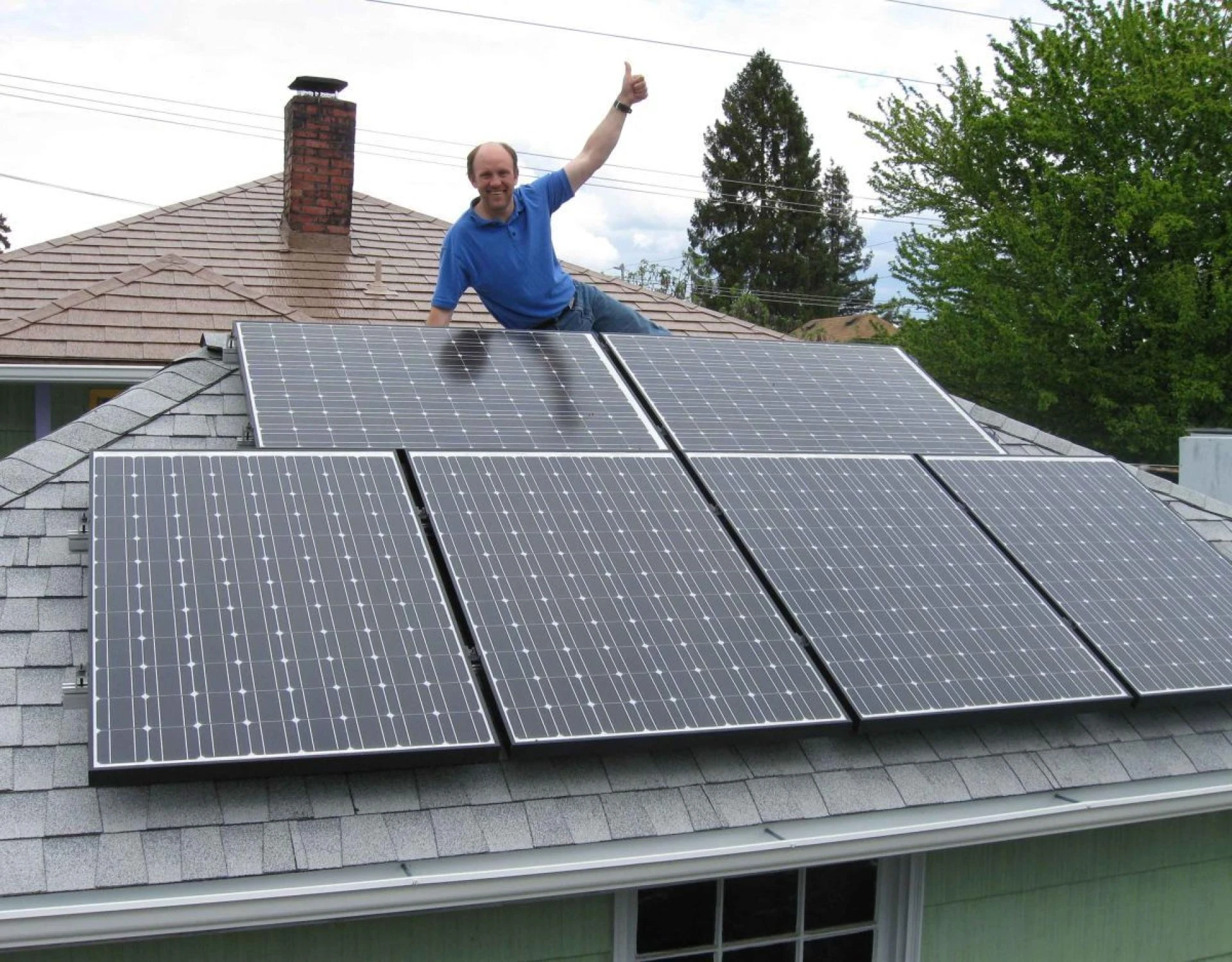

Solar PV design is the process of creating a photovoltaic (PV) system tailored to meet specific energy needs while maximizing efficiency and cost-effectiveness. The design process begins with an assessment of the site\'s solar potential, which includes analyzing factors such as roof orientation, tilt angle, shading, and local climate conditions. This helps in determining the optimal placement and configuration of solar panels to capture the most sunlight throughout the year.
Sizing the system correctly is crucial in solar PV design. This involves calculating the energy consumption of the household or business and matching it with the appropriate number and type of solar panels. The goal is to generate enough electricity to meet the client\'s needs, potentially reducing or eliminating reliance on grid power.
The selection of components, including panels, inverters, and mounting systems, plays a vital role in the overall efficiency and reliability of the system. High-quality components, although sometimes more expensive initially, can lead to greater energy production and lower maintenance costs over time.
Additionally, solar PV design must consider local regulations, building codes, and permitting requirements. Ensuring that the design complies with these standards is essential for a smooth installation process and long-term system performance.
Finally, the design may incorporate energy storage solutions, such as batteries, to provide power during times when sunlight is not available. By carefully planning and executing solar PV design, homeowners and businesses can harness the power of the sun, reducing their carbon footprint and achieving significant savings on energy costs.









Sign in to leave a comment.