

Meeting the Demands of a Growing Logistics Industry
Modern supply chains require transportation systems that can adapt to different products, delivery schedules, and operating conditions. From local distribution to long-distance freight movement, businesses need solutions that balance cargo protection, efficiency, and affordability. Selecting appropriate equipment and maintaining clear logistics procedures can help companies improve delivery performance and strengthen customer relationships.
Keeping Refrigerated Cargo Within Safe Temperature Limits
Transporting perishable goods requires consistent temperature management from loading through delivery. A suitable reefer unit helps maintain specified conditions inside compatible refrigerated trucks, trailers, or containers. Businesses should consider the type of cargo, required temperature range, insulation, ambient conditions, and journey duration when selecting equipment. Routine inspections and temperature monitoring help identify refrigeration problems early and reduce the likelihood of product spoilage.
Transporting Goods Without Specialized Cooling
A large portion of commercial transportation involves products that can be moved under ordinary freight conditions. Dry freight commonly includes packaged goods, machinery, textiles, furniture, and non-perishable supplies that do not require active refrigeration. Although cooling may not be necessary, proper packaging and cargo protection remain essential. Using suitable vehicles, securing loads correctly, and protecting shipments from moisture can help maintain product condition throughout transit.
Making Refrigerated Deliveries More Energy Efficient
Electric mobility offers logistics operators another option for managing temperature-controlled distribution. An electric reefer truck combines electric propulsion with refrigeration equipment designed to maintain cargo conditions during transport. Its operating suitability depends on vehicle range, payload, battery performance, refrigeration power demand, and the availability of charging facilities. Businesses with predictable routes and suitable charging arrangements can evaluate whether electric refrigerated vehicles fit their fleet requirements.
Improving Delivery Performance with Digital Tools
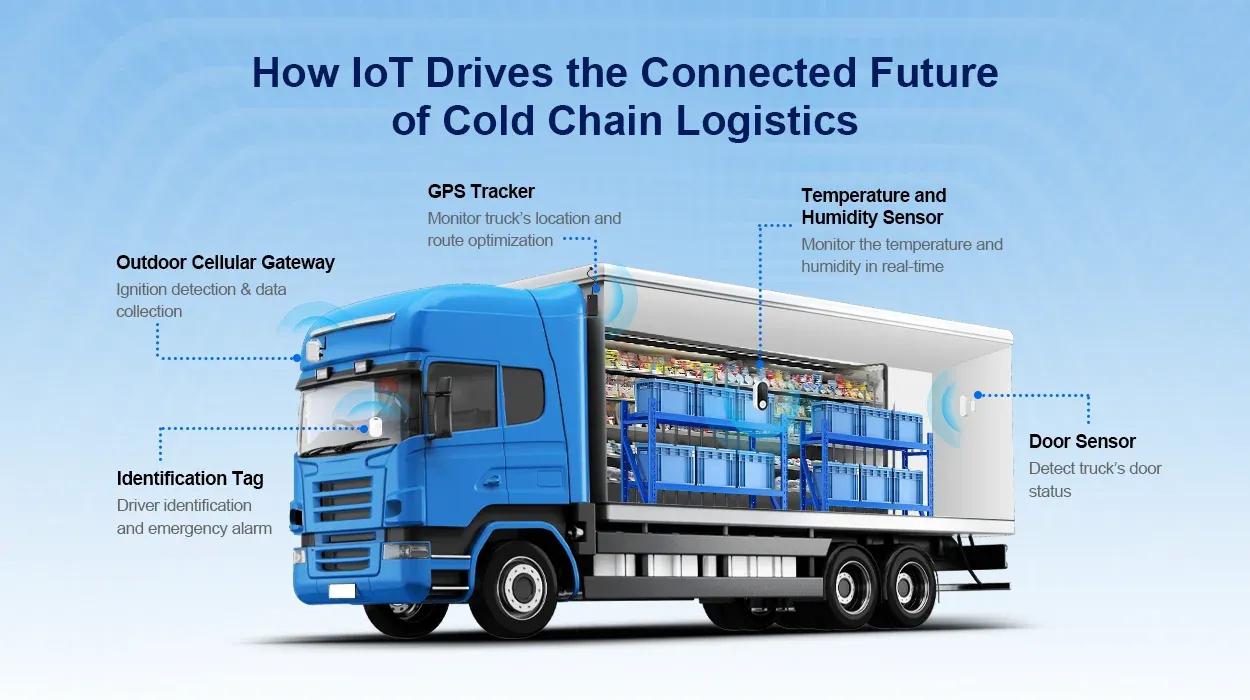
Technology can help logistics teams coordinate vehicles, monitor shipments, and respond to unexpected changes. GPS tracking, route optimization, digital proof of delivery, and temperature-monitoring systems provide useful operational visibility. These tools can support better scheduling, reduce communication gaps, and help identify delays before they affect customer commitments. Selecting systems that integrate with existing workflows can make daily fleet management more effective.
Reducing Downtime Through Regular Equipment Checks
Reliable transportation requires both vehicle maintenance and attention to cargo-handling equipment. Refrigerated fleets need routine checks of cooling components, sensors, insulation, and door seals, while standard freight vehicles require inspections of tyres, brakes, lights, and load restraints. Keeping service records and following recommended maintenance schedules can help reduce breakdowns and extend equipment life.
Creating a More Adaptable Logistics Network
Efficient freight management starts with understanding shipment requirements and matching them with suitable transportation solutions. By improving load planning, monitoring equipment performance, and maintaining vehicles consistently, businesses can reduce avoidable costs and support dependable deliveries. A flexible approach to fleet management helps organizations respond to changing demand while protecting cargo and maintaining service quality.

























Sign in to leave a comment.