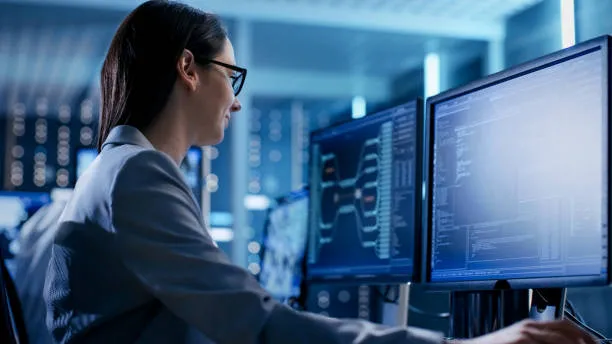

Frontline and shift-based industries face a unique set of operational challenges. Unlike corporate environments where employees work fixed hours at a desk, dynamic workforces require constant coordination across multiple locations, varying shift times, and fluctuating seasonal demands. To keep these complex operations moving smoothly, forward-thinking enterprises are deploying a dedicated workforce operations platform to anchor their scheduling, monitor attendance patterns, and drive meaningful performance improvements across the board.
When operational systems are siloed, visibility suffers. A manager at headquarters might have no idea that a regional branch is consistently understaffed on Tuesday mornings until a customer complaint arrives or revenue dips. Overcoming these blind spots requires a fundamental shift away from reactionary management toward proactive, system-driven oversight that supports both leadership and frontline staff.
Reimagining Attendance Tracking for Decentralized Teams
Traditional time-tracking methods—like physical punch cards or honor-system logbooks—are notoriously vulnerable to inaccuracies. They fail to give managers a live, accurate view of who is currently on-site, who is late, and who failed to show up entirely. In fast-paced environments, even a 15-minute delay in realizing an employee is missing can cause a cascade of delays that hurts customer satisfaction.
Modernizing this framework introduces immediate benefits:
- Instant Visibility: Managers receive immediate notifications regarding tardiness or absences, allowing them to find qualified replacements quickly before service delivery drops.
- Geofencing Security: Digital clock-in features can utilize location verification to ensure field or remote employees are actually on-site when logging their hours.
- Empowered Employees: Staff members can view their upcoming schedules, swap shifts with approved peers, and request time off directly through user-friendly portals, reducing administrative friction.
Building an Objective Culture of Performance
Accountability shouldn't feel like micromanagement to your team. When expectations are ambiguous or tracking methods feel arbitrary, employees become disengaged. Establishing clear, automated metrics for attendance and punctuality removes emotion from the equation, creating a fair, transparent environment where everyone is held to the same clear standard.
This objective data becomes incredibly valuable when assessing overall team performance. Rather than guessing who your top contributors are based on recent interactions, management can analyze concrete analytics. Tracking KPIs like shift fulfillment rates, punctuality trends, and overtime accumulation allows businesses to make strategic, data-backed decisions regarding promotions, bonuses, and cross-training opportunities.
Conclusion
True operational efficiency is impossible to achieve when your leadership team is bogged down by manual administration and incomplete data. Upgrading to a centralized system for scheduling, attendance monitoring, and performance evaluation empowers businesses to safeguard their labor budgets and support their frontline staff. Embracing these digital workflows builds a more resilient, transparent, and accountable organization capable of sustaining long-term growth.
FAQs
Does automated shift-swapping lead to unapproved overtime or scheduling chaos?
No. While employees can initiate shift swaps independently, the system routes these requests through manager approval gates. Additionally, built-in guardrails can automatically block swaps that would cause an employee to exceed maximum daily/weekly hours or violate rest period regulations.
How do performance tracking features protect against manager bias?
By relying strictly on verifiable data points—such as on-time arrivals, completed tasks, and total shifts fulfilled—performance evaluations remain entirely objective. This ensures that rewards and recognitions are distributed based on measurable merit rather than subjective workplace perceptions.
Is it difficult for less tech-savvy employees to use digital time clocks?
Not at all. Most modern employee-facing interfaces are designed with simplicity in mind, mirroring the intuitive layout of everyday social media or banking applications. Clear buttons for clocking in, clocking out, and viewing schedules mean that minimal digital literacy is required.
























Sign in to leave a comment.