
Maintaining airflow efficiency in commercial buildings depends on several components working together within the HVAC system. While air distribution products often get the attention, ductwork installation is equally critical—especially when flexible ducts are used in complex layouts. Improperly installed or unsupported ducts can lead to pressure drops, increased energy use, and uneven air delivery. Ensuring structural stability within the duct system helps maintain consistent airflow and overall system reliability. What steps can facility managers take to support consistent performance in commercial HVAC systems?
Let's explore how the right support systems and ceiling-mounted components
contribute to improved HVAC performance in commercial environments.
Why Flexible Duct Support Matters
The use of flexible duct support ensures that duct systems remain properly aligned, even around bends or obstacles. Without support, flexible ducts are susceptible to sagging, kinks, or collapse—leading to airflow restrictions and uneven air distribution. Over time, this can contribute to energy loss and premature wear on HVAC equipment.
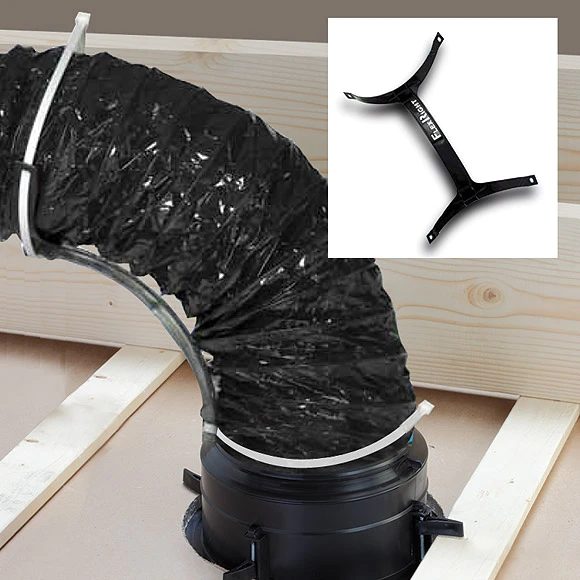
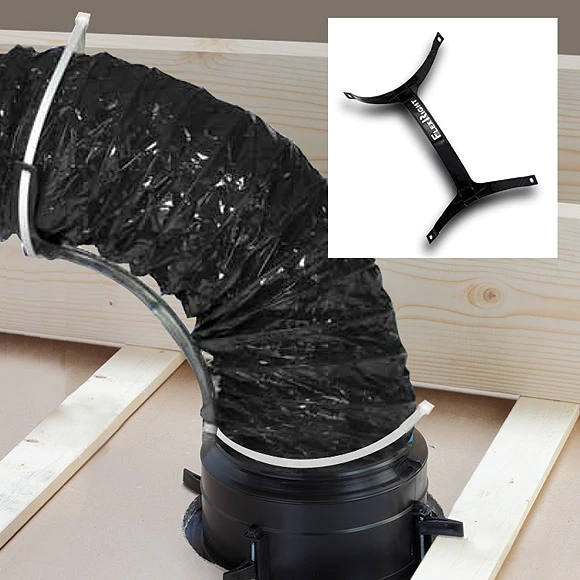
Products like the FlexRight Flexible Duct Elbow Support are designed to maintain a uniform 90-degree bend in flexible duct installations. By preserving duct shape, this support minimizes resistance and reduces airflow disruption, making it easier to achieve consistent performance across commercial HVAC systems.
Streamlining Air Distribution with Ceiling-Mounted Components
Supporting the ductwork is only one part of the overall solution. Efficient air distribution also relies on ceiling-mounted components that manage the delivery of conditioned air into commercial spaces. These include filtered directional HVAC diffusers, adjustable air vent diverters, and deflectors.
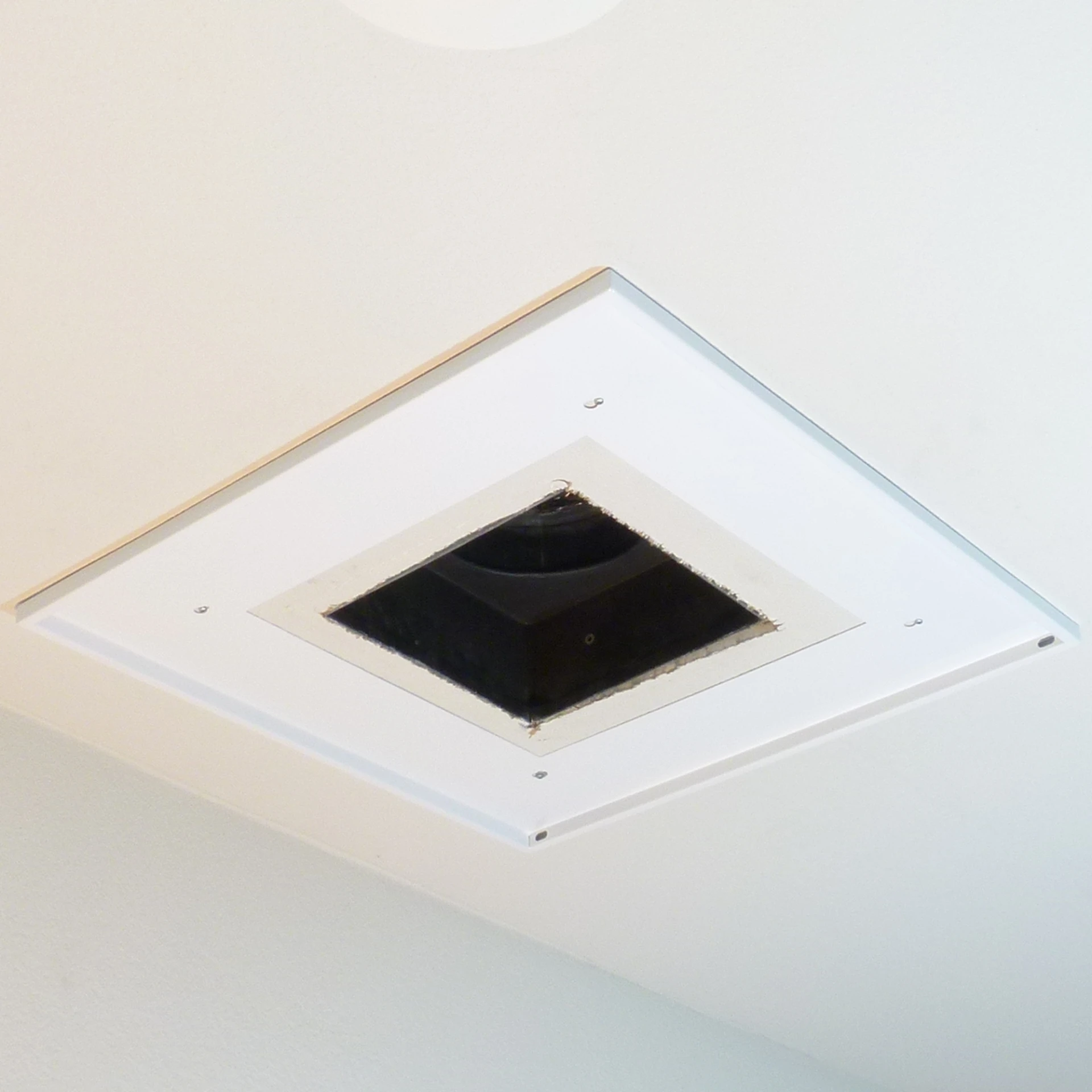
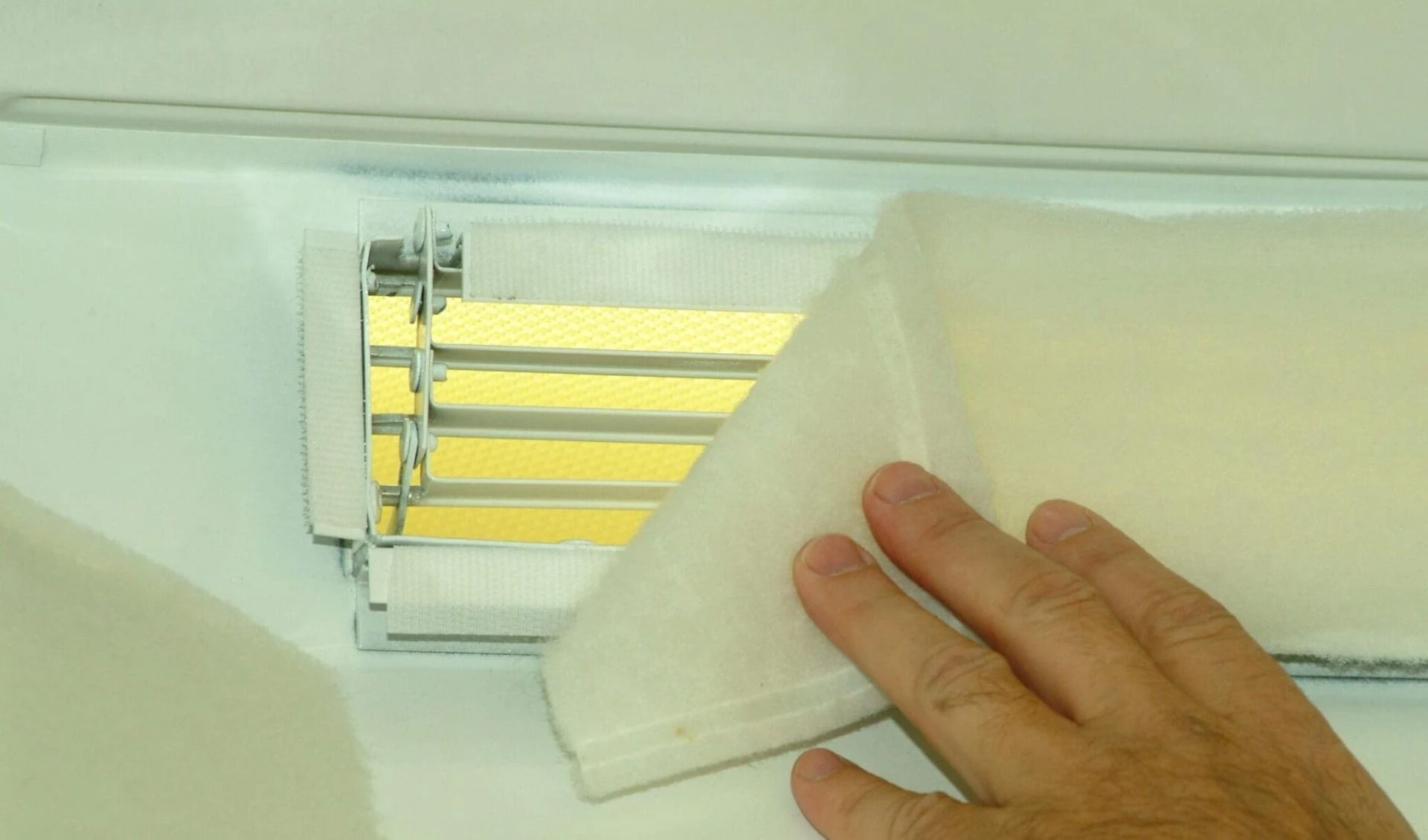
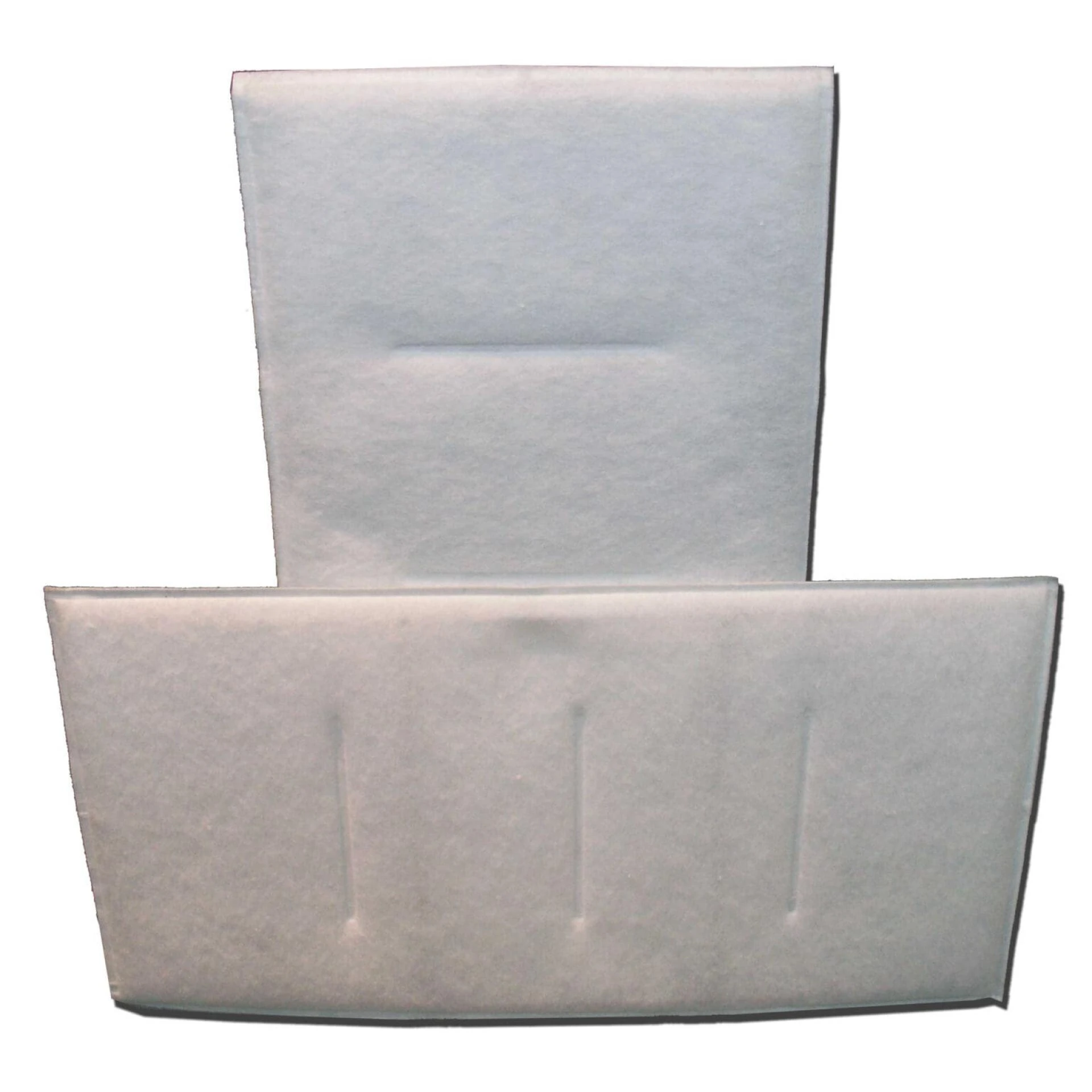
Filtered directional HVAC diffusers enhance indoor comfort by distributing filtered air into rooms while helping to manage indoor air quality. These ceiling-mounted diffusers are particularly useful in commercial environments where cleaner air and temperature consistency are important.
Adjustable air vent diverters are used to reduce drafts in areas directly under air vents. These diverters help redirect airflow away from sensitive zones such as workstations or walkways, improving occupant comfort without disrupting the ventilation balance.
When installed with properly supported flexible ductwork, these ceiling components ensure that the air being delivered is not only cleaner but also reaches occupants more evenly and efficiently.
Benefits of Proper Duct Installation in Commercial Spaces
HVAC systems in commercial settings often span large areas and serve multiple zones. Poorly installed or unsupported ducts can create pressure imbalances, hot and cold spots, and an overall drop in system efficiency.
Using the FlexRight Flexible Duct Elbow Support during installation helps preserve duct shape where bends are required, especially near diffusers or diverters. This support device eliminates the need for tools or additional fasteners, simplifying the installation process while improving duct alignment and airflow.
The result is a better-performing HVAC system with fewer complaints from building occupants and fewer service calls related to comfort issues.
Coordinating Components for Long-Term Efficiency
Supporting ducts and managing air distribution are two sides of the same coin in HVAC system design. A well-installed system using flexible duct supports, ceiling-mounted diffusers, and diverters ensures reduced strain on fans and compressors, lowering energy consumption and prolonging equipment lifespan.
The combined effect is a system that works quietly in the background, delivering consistent airflow and comfort across commercial facilities—from office buildings to healthcare centers.
Conclusion
Improving HVAC efficiency in commercial settings requires attention to both duct stability and air distribution. Using structured solutions like the FlexRight Flexible Duct Elbow Support helps maintain duct shape, promoting smooth airflow and minimizing energy waste. When combined with ceiling-mounted filtered directional HVAC diffusers and adjustable air vent diverters, these systems work together to support consistent air delivery, greater indoor comfort, and fewer drafts across large commercial environments.
For more details on enhancing commercial HVAC efficiency with quality components, connect with trusted professionals in the ventilation industry today.
























Sign in to leave a comment.