
Introduction
In industries such as food, beverage, pharmaceuticals, and cosmetics, maintaining pipeline hygiene is crucial to ensure product quality and operational efficiency. Contamination or residue left in pipelines can compromise safety standards, lead to product loss, and disrupt production schedules. One technology that has become increasingly vital in achieving consistent pipeline hygiene is the hygienic pig system.
Understanding Pipeline Cleaning Challenges
Pipelines are essential in transporting liquids from storage to processing areas. Over time, residues, sediments, and microorganisms can accumulate, posing a threat to product integrity. Traditional cleaning methods often require disassembly, manual scrubbing, or high volumes of cleaning chemicals, which can be time-consuming, labor-intensive, and costly.
The adoption of modern cleaning solutions has transformed the way industries handle pipeline sanitation, allowing continuous operation while maintaining high hygiene standards.
What Is a Hygienic Pig System?
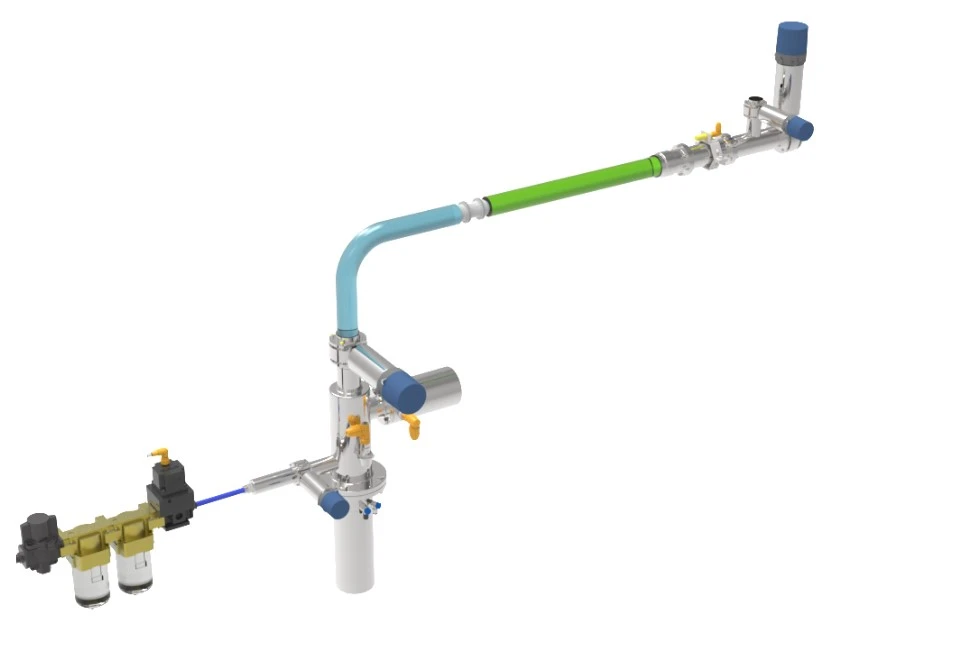
A hygienic pig system is a specialized pipeline cleaning solution designed to maintain cleanliness and reduce contamination risks. It employs mechanical devices, known as pigs, that travel through the pipeline, scraping off residues and flushing out unwanted materials. Unlike conventional pigs, hygienic pig system are made with materials that meet strict sanitary standards, ensuring no contamination occurs during the cleaning process.
Benefits of Implementing Hygienic Pig Systems
Efficient Product Recovery
One significant advantage of using a hygienic pig system is its ability to recover residual product left in the pipelines. This is particularly important for high-value liquids or when switching between different product lines. By pushing leftover liquid toward the next process stage, industries can minimize waste and maximize yield.
Enhanced Hygiene Standards
Maintaining hygiene in pipelines is essential to prevent microbial growth, cross-contamination, or spoilage. Hygienic pig systems achieve thorough cleaning without the need for extensive manual intervention. The pigs are made from sanitary materials such as FDA-approved elastomers, ensuring compliance with industry regulations.
Reduced Chemical Usage
Traditional cleaning often relies heavily on chemical agents. Hygienic pig systems reduce the need for excessive cleaning chemicals by physically removing residues. This not only lowers costs but also contributes to environmentally responsible operations.
Operational Efficiency
By enabling cleaning without dismantling pipelines, hygienic pig systems save significant downtime. Production can continue with minimal disruption, allowing businesses to meet strict delivery schedules and optimize throughput.
Safety Improvements
Manual cleaning of pipelines can pose safety risks to personnel, including exposure to chemicals and potential accidents. Hygienic pig systems minimize human involvement, enhancing workplace safety.
Types of Hygienic Pig Systems
Various designs and types of hygienic pig systems are available depending on pipeline configuration and cleaning requirements.
Foam Pigs
Foam pigs are flexible and compressible, ideal for navigating bends and diameter variations in sanitary pipelines. They are effective in removing soft residues and small particles from the pipeline walls.
Solid Pigs
Solid pigs are rigid devices suitable for larger pipelines where thorough scraping is required. They are typically made from sanitary-grade plastics or metals and are capable of dislodging stubborn deposits.
Multi-Use Pigs
Some systems incorporate pigs that can be reused multiple times, providing a cost-effective solution for frequent cleaning cycles. Proper sanitation of the pig between uses is crucial to prevent contamination.
Intelligent Pigs
Advanced systems may include pigs equipped with sensors that detect blockages, monitor residue levels, or verify pipeline integrity. These smart pigs allow for more precise and data-driven maintenance schedules.
Implementing a Hygienic Pig System
Assessing Pipeline Requirements
Before implementing a hygienic pig system, it is important to assess the pipeline layout, diameter, bends, and material compatibility. This ensures optimal pig selection and effective cleaning performance.
Selecting the Right Pig Material
The pig material must be compatible with the product being handled and the pipeline material. Common choices include food-grade elastomers, sanitary plastics, and stainless steel for rigid pigs.
Scheduling Routine Cleaning
Regular pigging schedules help maintain hygiene, prevent buildup, and ensure consistent product quality. Industries often schedule cleaning between production batches or at predetermined intervals based on product viscosity and pipeline usage.
Training Personnel
Operators must be trained in launching and retrieving pigs safely. Proper procedures help avoid damage to the pipeline or the pig while ensuring effective cleaning.
Monitoring Performance
Some systems allow real-time tracking of the pig’s movement through the pipeline. Monitoring ensures that the pig completes its run and provides valuable insights into pipeline condition and residue levels.
Challenges and Considerations
While hygienic pig systems provide numerous benefits, certain challenges must be addressed:
- Pipeline Complexity: Sharp bends or varying diameters may hinder pig movement.
- Material Sensitivity: Inappropriate pig materials can damage sensitive pipelines or contaminate products.
- Initial Investment: High-quality hygienic pig systems may require a significant upfront cost, though long-term savings often justify the investment.
Industry Applications
Food and Beverage
In breweries, dairies, and juice production facilities, hygienic pig systems ensure that pipelines are free from residue that could spoil subsequent batches.
Pharmaceuticals
The pharmaceutical industry requires strict sanitation standards. Hygienic pig systems prevent cross-contamination between drug formulations and maintain compliance with regulatory standards.
Cosmetics and Personal Care
Pipelines used in producing creams, lotions, and other personal care products benefit from hygienic pig systems by maintaining product integrity and reducing waste.
Chemical Industries
Even in sensitive chemical production, hygienic pig systems can prevent residue buildup, improve recovery of valuable liquids, and ensure process safety.
Conclusion
Hygienic pig systems have become an essential tool in industries that require stringent sanitation, efficient operations, and product recovery. By implementing these systems, businesses can improve hygiene standards, reduce waste, minimize chemical use, and maintain consistent product quality.
Choosing the right type of pig, material, and cleaning schedule ensures maximum efficiency while addressing industry-specific challenges. As technology continues to advance, hygienic pig systems are expected to play an increasingly critical role in maintaining operational excellence across food, beverage, pharmaceutical, and cosmetic sectors.
Investing in a hygienic pig system is not merely a technological upgrade—it is a strategic approach to ensuring sustainability, safety, and quality in fluid handling operations.























Sign in to leave a comment.