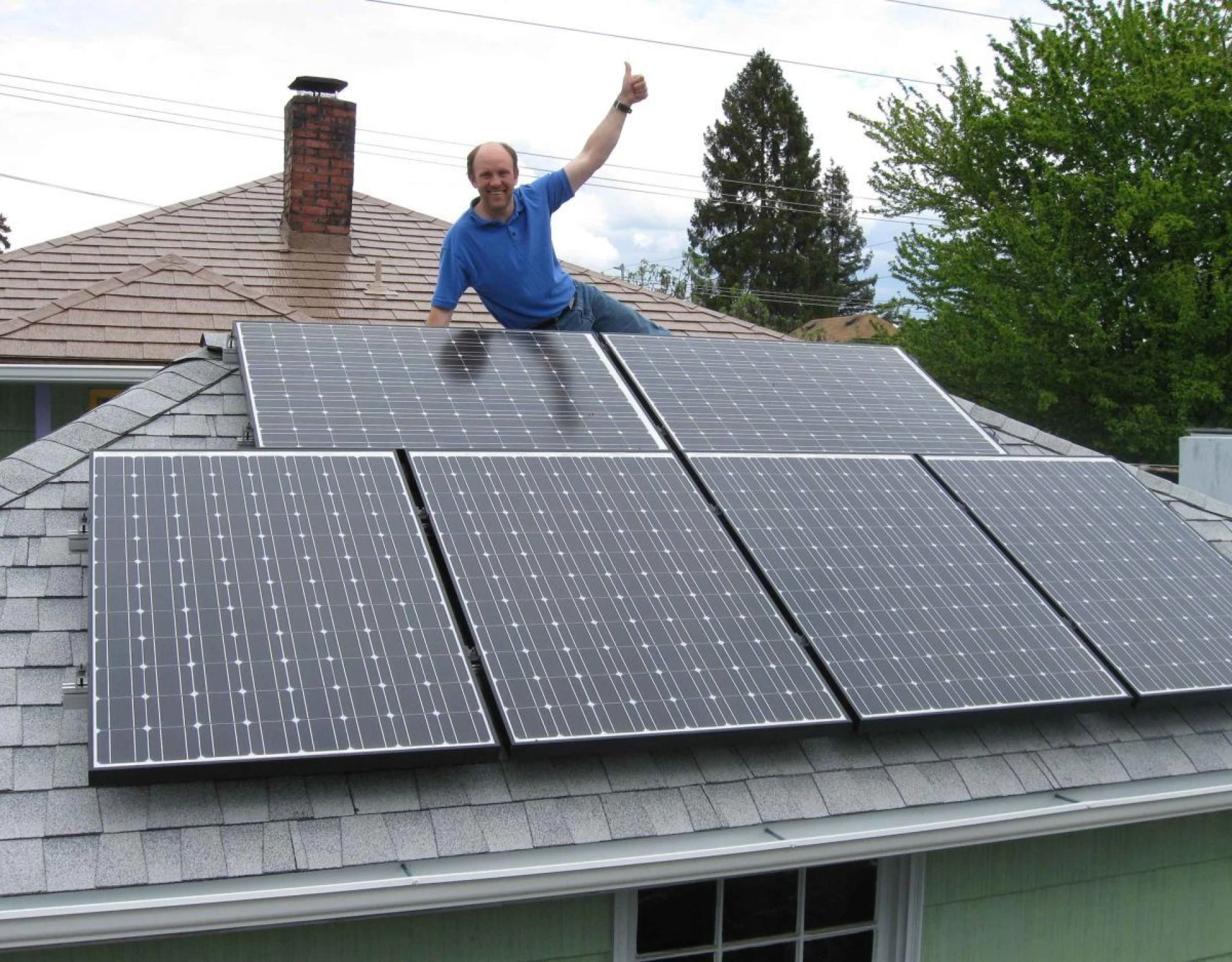

Designing a residential photovoltaic (PV) system involves careful planning and consideration to ensure optimal performance, efficiency, and cost-effectiveness. The first step is assessing the energy needs of the household, which includes analyzing past electricity bills to determine the average consumption. This data helps in sizing the PV system appropriately.
Next, the location and orientation of the solar panels play a crucial role. Ideally, the panels should be installed on a south-facing roof with minimal shading throughout the day to maximize sunlight exposure. The tilt angle should also be optimized according to the geographical location to capture the most sunlight during peak hours.
The selection of PV panels and inverters is another critical aspect. High-efficiency panels may have a higher upfront cost but can produce more electricity over time, leading to greater long-term savings. Similarly, choosing the right inverter, which converts the direct current (DC) generated by the panels into usable alternating current (AC), is essential for system efficiency.
In addition to these technical considerations, local regulations and incentives must be reviewed. Many regions offer tax credits, rebates, or other incentives for installing solar panels, which can significantly reduce the overall cost of the system.
Finally, the design should include proper wiring, safety measures, and a reliable monitoring system to track performance. By carefully planning and designing the residential PV system, homeowners can enjoy sustainable, renewable energy that reduces their carbon footprint and lowers electricity bills.









Sign in to leave a comment.