
Pregnancy is a beautiful time of transformation, filled with excitement and anticipation. However, amidst the joy, it\'s crucial to prioritize your overall health, including your oral health. While some dental procedures might be postponed until after delivery, oral cancer screening remains an important preventive measure you shouldn\'t neglect during pregnancy.
Why is Oral Cancer Screening Important During Pregnancy?
Oral cancer, though less common than other cancers, can develop in anyone, including pregnant women. The good news is that early detection significantly improves the chances of successful treatment. Oral cancer screenings are quick, painless examinations that can detect precancerous lesions or early-stage cancers in the mouth, tongue, throat, and other areas.
What to Expect During an Oral Cancer Screening While Pregnant:
An oral cancer screening during pregnancy is very similar to a routine dental checkup.
Below is a summary of what to anticipate:
- Medical History Review: Your dentist will discuss your medical and dental history, including any recent changes in your mouth or throat.
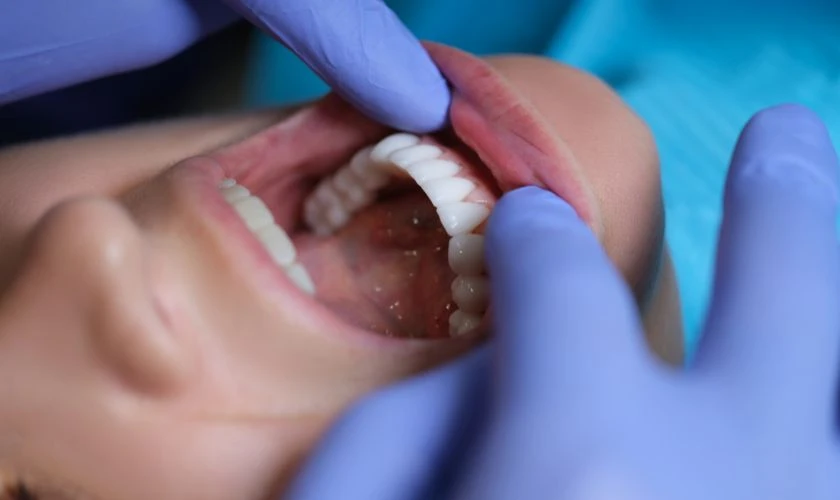
- Visual Examination: The dentist will carefully examine your mouth, tongue, cheeks, and throat for any abnormalities in color, texture, or size. They might use a special light or instrument to enhance the examination.
- Palpation: Your dentist might gently feel your lymph nodes in the neck for any swelling or tenderness.
The Importance of Communication:
Open communication with your Woodbridge dentist is crucial during pregnancy. Be sure to:
- Inform your dentist that you are pregnant.
- Discuss any concerns or questions you might have about oral cancer screening or dental procedures during pregnancy.
- Mention any changes you\'ve noticed in your mouth, such as sores, white patches, or bleeding gums.
Safety Measures During Oral Cancer Screening:
Your dentist will take steps to ensure your comfort and safety during the screening:
- X-rays: While typically part of oral cancer screenings, X-rays are generally avoided during pregnancy unless absolutely necessary. Your dentist will discuss alternative methods of examination if needed.
- Positioning: You might be positioned in a way that minimizes radiation exposure to your abdomen if X-rays are deemed essential.
- Lead Shielding: A lead apron will likely be used to shield your abdomen from any minimal radiation exposure.
What Happens After the Screening?
Following the screening, your dentist will discuss the findings with you. In most cases, they\'ll confirm everything looks normal and recommend scheduling your next screening in one year.
If any abnormalities are found, your dentist will explain the next steps, which might involve further tests or a referral to an oral surgeon or specialist. Early detection is crucial, and most precancerous lesions can be treated effectively with minimal intervention.
Maintaining Oral Health During Pregnancy:
Maintaining good oral hygiene habits during pregnancy is essential for your overall health and the health of your developing baby. Here are some tips:
- Use fluoride toothpaste to brush your teeth twice a day.
- To get food particles and plaque out from in between your teeth, floss every day.
- Maintain a balanced diet and cut out on sugary drinks and meals.
- Schedule regular dental checkups and cleanings as recommended by your dentist.
FAQ - Oral Cancer Screening During Pregnancy
Q: Are oral cancer screenings safe during pregnancy?
A: Yes, oral cancer screenings are generally safe during pregnancy. Your dentist will take precautions to minimize any potential risks.
Q: What are the signs and symptoms of oral cancer to be aware of during pregnancy?
A: Be aware of any changes in your mouth, such as sores that don\'t heal, white patches on your tongue or gums, unexplained bleeding, or persistent pain.
Q: What should I do if I notice any changes in my mouth during pregnancy?
A: Schedule an appointment with your dentist as soon as possible to get it checked. Early detection is key.
Q: How often should I get screened for oral cancer during pregnancy?
A: The frequency of oral cancer screenings during pregnancy can vary depending on individual risk factors. Discuss this with your dentist.
Conclusion:
Oral cancer screening is a quick and painless procedure that can offer peace of mind during pregnancy. By being proactive about your oral health and attending regular screenings, you can contribute to a healthy pregnancy and a healthy smile for years to come.











Sign in to leave a comment.