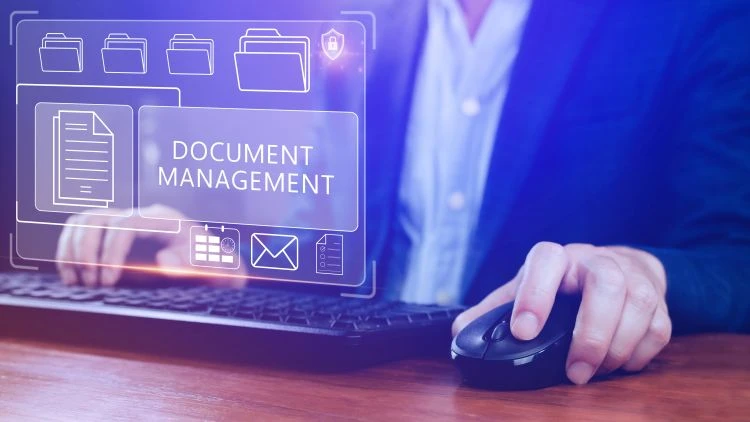
The modern business landscape is powered by information—but when that information isn’t organized, it becomes more of a liability than an asset. Most teams today deal with massive volumes of documents, ranging from contracts and compliance reports to technical manuals and meeting notes. When these files are scattered across shared drives, inboxes, or desktop folders, the result is digital disarray.
Unstructured digital environments can cause version confusion, data loss, security vulnerabilities, and missed deadlines. These issues may seem small, but they add up fast—especially in fast-paced, highly regulated industries.
This is where document management software comes into play. Far beyond basic file storage, a document management system (DMS) introduces structure, access control, and automation into how digital documents are handled across their lifecycle.
The Risks of Poor Document Organization
Most organizations start small. A shared folder here, a Google Drive there, and maybe a few spreadsheets to keep things “organized.” But as teams grow, projects expand, and compliance requirements evolve, those patchwork systems quickly become outdated.
Some of the most common issues include:
- Time wasted searching for documents or trying to confirm the latest version
- Uncontrolled file access, putting sensitive data at risk
- Manual processes that slow down reviews, updates, and approvals
- Failure to meet retention policies or compliance requirements
- Difficulty sharing or collaborating across departments or locations
These aren’t just IT problems—they affect productivity, data security, and customer satisfaction across the entire organization.
What Is Document Management Software?
Document management software is a centralized platform that allows businesses to organize, access, share, and track digital documents securely. It replaces unstructured storage methods with a structured system for managing documents across departments and workflows.
Key features include:
- Structured document storage with folders, tags, and metadata
- Version tracking to prevent confusion and duplication
- Workflow automation for document reviews, approvals, and renewals
- Searchable archives that allow quick retrieval by keywords or tags
- Secure document access with role-based permissions
- Audit trails that log user activity for accountability
It’s not just about storing documents—it’s about managing them intelligently.
Faster Access, Better Decisions
A big part of productivity comes down to how quickly teams can access the information they need. If employees are spending minutes—or hours—hunting for files, that’s time that could be better spent executing, creating, or solving problems.
With digital file management, document retrieval becomes simple:
- Use filters and search bars to find files instantly
- Access documents remotely via cloud-based systems
- Organize content with consistent naming conventions and metadata
- Set up quick links or dashboards for frequently accessed files
This means faster decisions, fewer errors, and less frustration across departments.
Automating Workflows and Approvals
Manual workflows can lead to missed approvals, forgotten updates, or duplicated effort. When you're relying on email attachments, phone calls, or verbal reminders to move documents forward, things fall through the cracks.
Document management software solves this through built-in workflow automation:
- Route documents to the right stakeholders automatically
- Notify users of pending tasks or approvals
- Create recurring reminders for expiring documents
- Track workflow status in real-time dashboards
Automation doesn't just speed up document handling—it creates consistency and accountability throughout the process.
Keeping Documents Secure and Compliant
Whether it’s internal HR documents, client contracts, or inspection reports, businesses are responsible for controlling who can access what. A breach or mistake can lead to compliance violations, legal trouble, or loss of trust.
A DMS offers secure document access features such as:
- Role-based permissions and password protection
- Document encryption at rest and in transit
- Multi-factor authentication
- Activity logs for full traceability
- Read-only or time-limited access options for external users
These features are critical for organizations in regulated industries such as healthcare, finance, education, or construction.
Supporting Remote and Field-Based Teams
Today’s workforce isn’t tied to one desk—or even one office. Field technicians, remote teams, and hybrid employees need access to important documents from wherever they are.
Modern document management systems are cloud-based and mobile-friendly, offering:
- Anytime, anywhere document access via browsers or apps
- Offline syncing for critical files
- Real-time updates across locations
- Easy collaboration on shared documents
This ensures that no matter where employees are working, they have what they need to get the job done.
Scaling with Your Organization
As organizations grow, so does the complexity of their document needs. New departments, increased staffing, expanded services—all of these bring more documents, users, and workflows into play.
A good document management software system is built to scale:
- Add users without disrupting workflows
- Customize templates, folders, and access rules per department
- Integrate with existing systems like CMMS, ERP, or HR tools
- Maintain data integrity even as file volume grows
This scalability ensures that your document practices stay strong as your business evolves.
Final Thoughts
The way an organization manages its documents says a lot about its efficiency, compliance readiness, and ability to scale. Relying on scattered drives and manual processes is no longer sustainable in an environment where speed, security, and collaboration are essential.
Document management system provides a streamlined, secure, and scalable solution. It helps eliminate digital clutter, simplify workflows, and ensure that teams—no matter where they are—have access to the information they need when they need it.
As the digital demands of modern work continue to increase, investing in structured document management isn’t just smart—it’s necessary.





























Sign in to leave a comment.