
Outdoor solar lights have revolutionized the way we illuminate our gardens, pathways, patios, and other outdoor spaces. Harnessing the power of the sun, these lights are not only eco-friendly but also cost-effective, easy to install, and versatile. In this guide, we\'ll explore the different types of outdoor solar lights, their benefits, installation tips, and maintenance advice to help you make the most of these innovative lighting solutions.
Types of Outdoor Solar Lights
Pathway Lights
Description: Designed to line walkways, driveways, and garden paths, pathway lights provide a gentle, inviting glow.
Benefits: Enhances safety by illuminating pathways, adding aesthetic appeal to outdoor spaces.
Spotlights
Description: These lights focus a bright beam on a specific area or object, such as a tree, statue, or architectural feature.
Benefits: Creates dramatic lighting effects, highlights key features of your garden or landscape.
String Lights
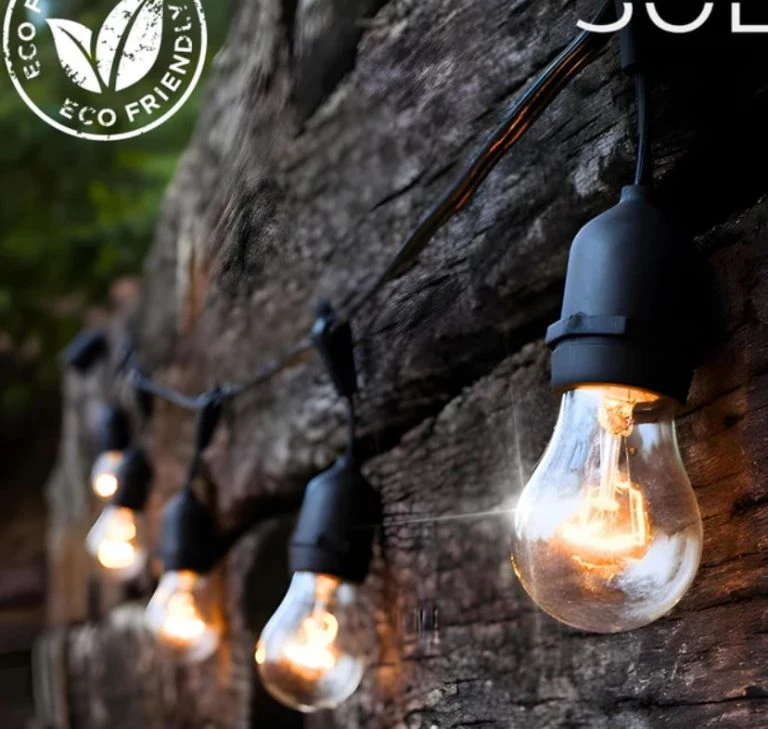
Description: Often used for decorative purposes, solar string lights are perfect for draping over bushes, pergolas, or fences.
Benefits: Adds a festive ambiance to outdoor gatherings, versatile for various decorating styles.
Flood Lights
Description: Solar flood lights emit a broad, powerful beam ideal for illuminating large areas.
Benefits: Provides security by lighting up dark corners, useful for outdoor activities after dark.
Wall-Mounted Lights
Description: These lights are fixed on walls or fences, providing downward or upward illumination.
Benefits: Enhances security and visibility around entryways, adds architectural interest.
Deck Lights
Description: Installed directly into decking boards or railings, deck lights offer subtle illumination.
Benefits: Improves safety by lighting up steps and edges, creates a cozy ambiance for outdoor entertaining.
Benefits of Outdoor Solar Lights
Eco-Friendly
Sustainability: Solar lights use renewable energy from the sun, reducing carbon footprint and dependence on non-renewable energy sources.
Low Environmental Impact: No need for electrical wiring or power sources, minimizing landscape disruption.
Cost-Effective
Energy Savings: No electricity costs as lights are powered by the sun.
Low Maintenance: Most solar lights require minimal upkeep, with long-lasting LED bulbs and rechargeable batteries.
Easy Installation
No Wiring Needed: Simple to install without the need for professional help or extensive wiring.
Flexible Placement: Can be placed anywhere that receives adequate sunlight, offering versatile design options.
Safety and Security
Improved Visibility: Illuminates pathways and entryways, reducing the risk of tripping and enhancing overall safety.
Deterrent for Intruders: Bright, motion-activated solar lights can deter potential intruders.
Aesthetic Appeal
Enhanced Landscaping: Adds beauty and charm to gardens, yards, and outdoor living spaces.
Customization: Available in various styles, shapes, and colors to match your outdoor décor.
Installation Tips
Choose the Right Location
Sun Exposure: Ensure the solar panels receive direct sunlight for at least 6-8 hours daily to maximize efficiency.
Avoid Shadows: Place lights away from obstructions like trees, buildings, or other structures that could cast shadows.
Positioning for Optimal Light
Pathway Lights: Space them evenly along paths to create uniform illumination.
Spotlights and Flood Lights: Angle the lights to highlight specific features or cover large areas effectively.
Mounting Techniques
Ground Stakes: Common for pathway and garden lights, easy to push into the soil.
Wall Mounts: Use screws and brackets to secure wall-mounted lights; ensure they are stable and securely attached.
Deck Lights: Fit snugly into pre-drilled holes in decking or railings for a flush, professional look.
Seasonal Considerations
Winter Performance: Solar lights may receive less sunlight in winter, reducing their operational hours. Opt for lights with higher efficiency panels or larger battery capacity for better performance in low-light conditions.
Maintenance Advice
Regular Cleaning
Solar Panels: Wipe clean with a damp cloth to remove dust and debris that can block sunlight.
Light Fixtures: Clean the light covers and bodies to maintain brightness and appearance.
Battery Care
Replacement: Rechargeable batteries typically last 1-2 years. Replace them when they no longer hold a charge.
Check Connections: Ensure battery connections are free from corrosion and properly seated.
Inspect for Damage
Weatherproofing: Check for cracks or damage to the fixtures that could allow water ingress, compromising the lights\' functionality.
Secure Mountings: Ensure all lights remain securely in place, especially after severe weather.
Seasonal Adjustments
Repositioning: Adjust the angle or location of solar panels to maximize sunlight exposure as the seasons change.
Storage: For portable solar lights, consider storing them during prolonged periods of bad weather or low sunlight to prolong their lifespan.
Conclusion
Outdoor solar lights offer an innovative and eco-friendly way to illuminate your outdoor spaces. With a variety of styles and applications, they cater to both functional and aesthetic needs. By harnessing solar energy, these lights provide a sustainable, cost-effective, and easy-to-install solution for enhancing safety, security, and beauty in your garden, patio, or yard. With proper installation and maintenance, outdoor solar lights can transform your outdoor areas into inviting and well-lit spaces, making them more enjoyable and secure for you and your guests.










Sign in to leave a comment.