Construction bookkeeping is a key part of running a successful contracting business. Tracking project costs, payroll, materials, and taxes can quickly become overwhelming. Because of this, many contractors choose to outsource their bookkeeping to professionals.
But is outsourcing the right choice? Let’s look at the benefits and possible drawbacks.
What Is Outsourced Construction Bookkeeping?
Outsourced construction bookkeeping means hiring an external professional or firm to manage your financial records. This can include:
- Tracking job costs
- Managing payroll
- Handling invoices and payments
- Reconciling bank accounts
- Preparing financial reports
- Ensuring tax compliance
Instead of hiring a full-time employee, contractors pay for services as needed. This offers flexibility and reduces the responsibility of managing in-house accounting staff.
Why Construction Bookkeeping Is Important
Accurate construction bookkeeping helps contractors:
- Track labor, material, and subcontractor costs
- Measure profit on each project
- Manage cash flow
- File taxes on time
- Make informed bidding decisions
Without clear records, it’s easy to lose money on projects without realizing it.
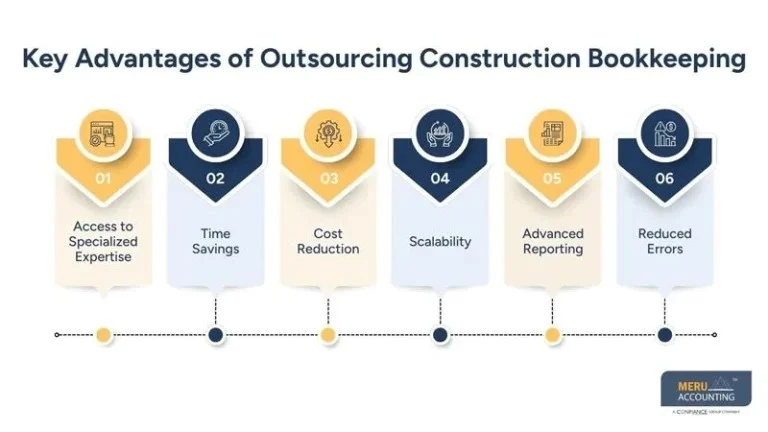
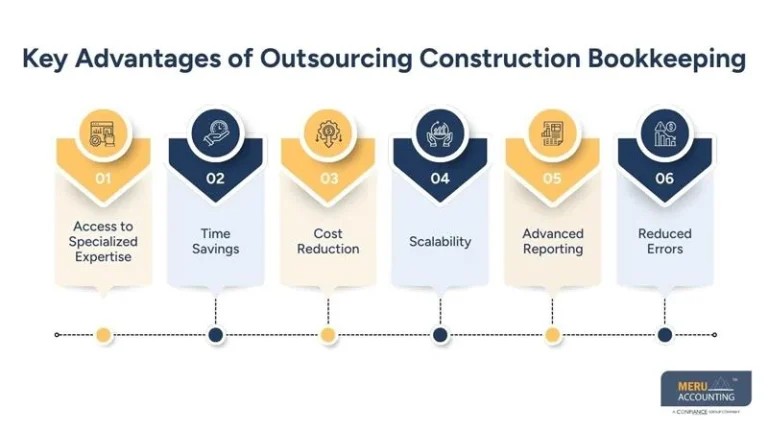
Advantages of Outsourcing Construction Bookkeeping
1. Saves Time
Contractors can focus on managing projects and clients instead of handling paperwork.
2. Reduces Costs
Outsourcing often costs less than hiring a full-time bookkeeper. It removes expenses like salaries, benefits, and training.
3. Industry Expertise
Professional bookkeepers understand construction bookkeeping and job cost tracking, reducing mistakes.
4. Scalable Services
As your business grows, outsourced services can grow with you—without hiring more staff.
5. Fewer Errors
Experienced professionals lower the risk of payroll mistakes, tax issues, and reporting errors.
Potential Drawbacks
1. Less Direct Control
Some contractors may feel uncomfortable not having bookkeeping handled in-house.
2. Data Security Concerns
Sharing financial data externally requires secure systems and trust.
3. Communication Gaps
Working remotely may require regular updates to stay aligned.
4. Ongoing Service Costs
For very small contractors, outsourcing may seem costly at first, though the time savings often balance this out.
How to Choose the Right Bookkeeper
When selecting someone for construction bookkeeping, look for:
- Experience in construction accounting
- Knowledge of tools like QuickBooks or Xero
- Clear pricing with no hidden fees
- Strong communication skills
- Understanding of tax and labor regulations
Choosing the right partner ensures smoother operations and accurate reporting.
Best Practices for Success
To make outsourcing work smoothly:
- Keep project records organized
- Set clear expectations from the start
- Schedule regular financial updates
- Review reports carefully
- Use secure cloud-based tools
Good communication and clear systems lead to better results.
Final Thoughts
Outsourcing construction bookkeeping can save time, reduce errors, and improve financial clarity. While there are some challenges, the benefits often outweigh the drawbacks—especially for growing contractors.
Meru Accounting serves contractors across regions, ensuring compliance with local tax regulations and accounting standards. We bring knowledge of international best practices to support growing construction businesses.

























Sign in to leave a comment.