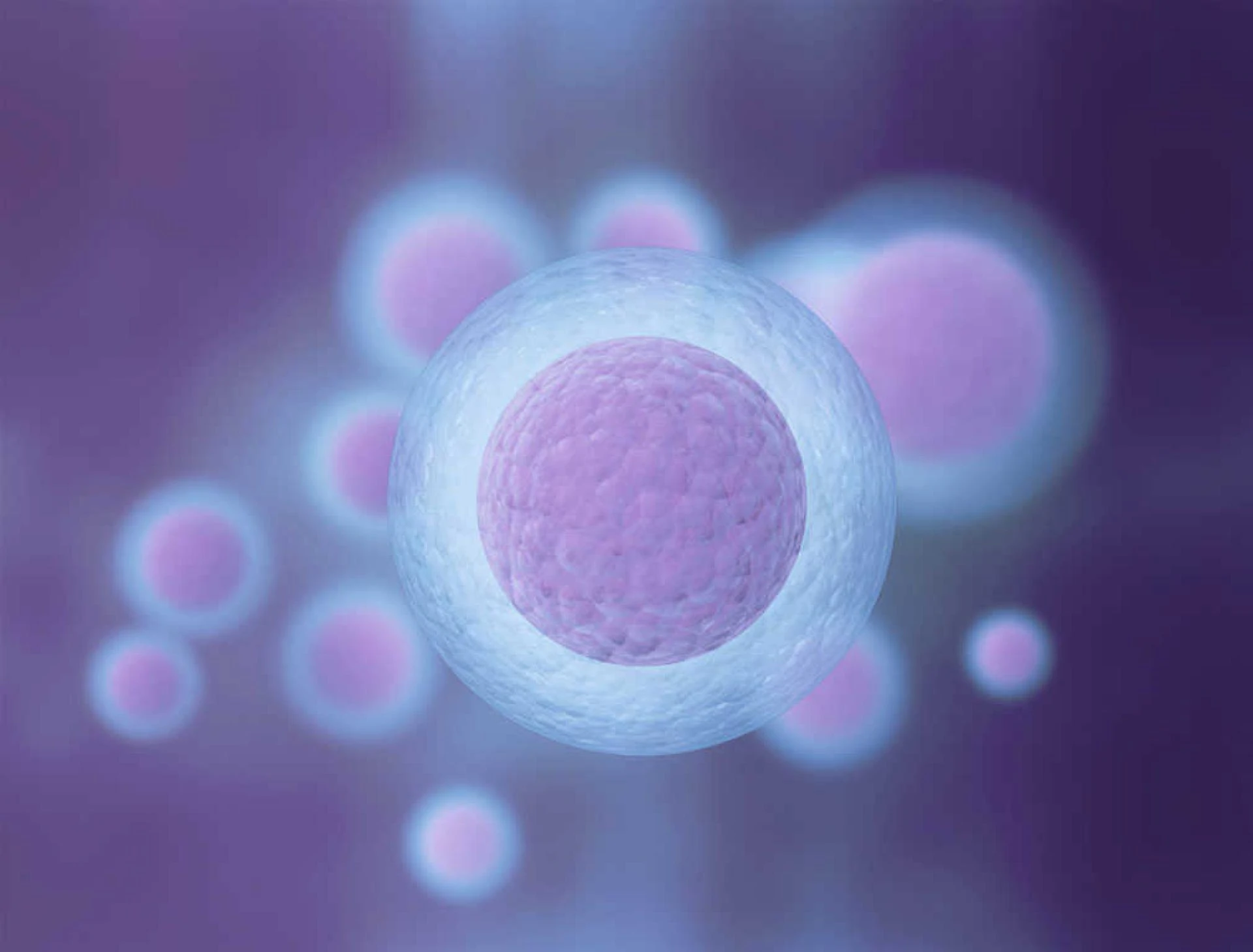

Ovarian stimulation, which occurs during the second stage of IVF reproductive therapy, is essential to the procedure's success. During ovulation, the ovaries normally release one egg every month. The goal of the stimulation is to extract as many mature eggs as possible from the woman's ovaries. The chances of the eggs getting fertilized is consequently maximized. When just a few eggs are retrieved, the IVF success rate is frequently lower. For optimal follicular growth, the ovarian stimulation technique might take 8 to 14 days. The objective of this whole procedure is to have 8 to 15 mature follicles with 14-20mm diameter that can generate quality eggs at the egg retrieval stage.
If you are planning for IVF or have queries related to it, Consult Dr. Deepika Doshi one of the best Gynecologoist in Mumbai.
The woman will have to undergo thorough testing to ensure that there aren’t any potential complications during ovarian stimulation. An ultrasound test termed the antral follicle count may assess the ovaries' capacity to stimulate enough to produce a large number of follicles. The number of follicles needed for IVF therapy is determined by various criteria, including follicle size, the woman's age, previous IVF stimulation outcomes, and the couple's desire to consent to egg retrieval if necessary.
The IVF expert injects medications to boost the Follicle-stimulating hormone (FSH) or Luteinizing Hormone (LH) during the ovary stimulation operation (LH). This causes the ovaries to generate more mature eggs. LH levels in the body are likely to rise just before the ovulation process. For improved ovulation, hCG, or Human Chorionic Gonadotropin, is administered as a trigger shot. Again, if the woman's follicles are slow, the medicine may need to be taken for a longer length of time. The fundamentals of this ovarian stimulation treatment are obviously good timing and extreme care. The treatment has been reported to fail due to both overstimulation and understimulation. As a result, the trigger injections must be administered at the appropriate timing and dosage.
Overstimulation may cause significant pain for the woman, resulting in ovarian hyperstimulation syndrome, or OHSS, whereas insufficient stimulation might result in so few eggs. As a result, these "synthetic follicle stimulating hormones," or Human Menopausal Synthetic Follicle Stimulating Hormones, or HMG, should only be delivered by a qualified fertility expert. It is the specialist's responsibility to choose the appropriate drug protocol and dosage schedule, as well as to constantly check stimulation progress so that medication doses may be modified as needed. Extreme quality control throughout the process is a priority in vitro fertilization.
Monitoring estrogen or estradiol levels is critical in ovarian stimulation. Normal values are approximately 60 pg/ml, with peaks of 1000 and 4000 pg/ml after IVF with an HCG injection. An ultrasound is used to assess the size of growing follicles. When the estrogen level and follicle parameters are optimal for a good IVF result, the HCG injection is administered. An HCG dose will also be required for final egg development. The egg retrieval will be scheduled 34 to 35 hours following the HCG injection since this is when the woman begins ovulation.
You may also read: How to Prevent PCOS?
Thanks for reading!
0




















Sign in to leave a comment.