
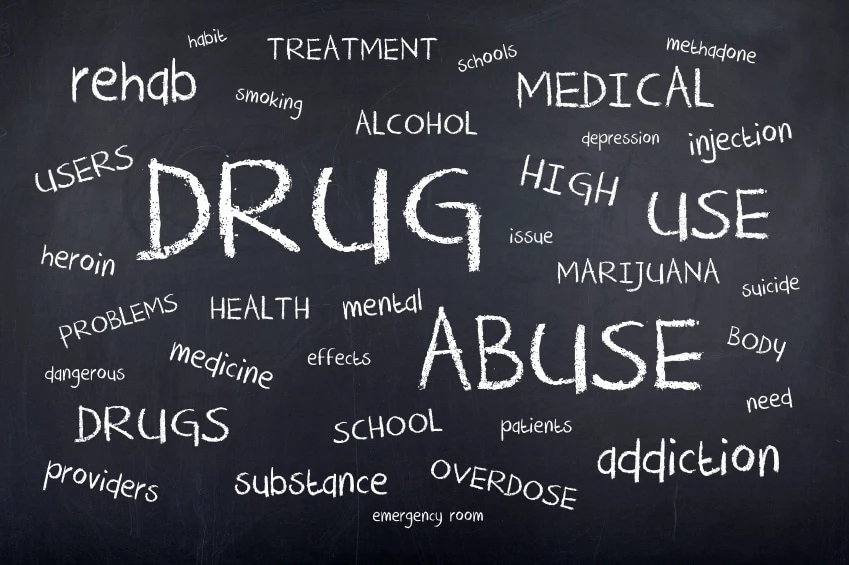
Are you struggling with addiction and wondering if there is a way out? You're not alone. Addiction can be devastating, affecting all areas of your life. But the good news is, effective treatment strategies are available to help you overcome these challenges and live a better life. In this blog post, we'll explore some of the most successful approaches for overcoming addiction so that you can gain control over your life again. Whether you struggle with drugs, alcohol, or other forms of addiction, read on to learn how to break free from the cycle and start living the fulfilling life you deserve.
What is Addiction?
Addiction is a serious problem that affects millions of people around the world. It can be defined as a compulsive need to use a substance or engage in a behavior, despite the harmful consequences.
There are many different types of addiction, including alcoholism, drug addiction, gambling addiction, and others. Addiction can cause serious physical and mental health problems, and can ruin relationships and careers.
If you think you might be struggling with addiction, it's important to seek help from a professional. There are many effective treatment options available that can help you recover and live a healthy, happy life.
Signs and Symptoms of Addiction
Most people with addiction will experience some or all of the following signs and symptoms:
-Inability to control use of the substance or activity, despite repeated attempts to do so.
-Continued use of the substance or activity despite negative consequences, such as job loss, financial problems, or relationship difficulties.
-Preoccupation with using the substance or engaging in the activity.
-Withdrawal symptoms when trying to cut down or stop altogether, such as anxiety, irritability, shaking, sweating, nausea, and insomnia.
-Tolerance, meaning that more of the substance is needed to get the desired effect.
-Spending increasingly large amounts of time and energy obtaining and using the substance or engaging in the activity.
Types of Addictions
There are many different types of addiction, but they all share certain common characteristics. Addictions are chronic, relapsing diseases that cause compulsive drug-seeking and use despite harmful consequences. They are characterized by changes in the brain that interfere with a person’s ability to control their use of a substance or engage in healthy behaviors.
The most common types of addiction include:
alcohol addiction
drug addiction (including prescription drugs and illegal drugs)
gambling addiction
internet addiction (including social media, gaming, and shopping)
sex addiction
These types of addiction can have devastating consequences on a person’s life, including financial ruin, relationship problems, health problems, and even death. But there is hope. With treatment and support, people with addictions can recover and lead healthy lives.
Effective Treatment Strategies for Overcoming Addiction
There are many effective treatment strategies for overcoming addiction. Some people may need to go to an inpatient treatment center to detox and get medical help. Others may be able to detox on their own and then participate in outpatient programs or 12-step groups.
Whichever path you take, there are certain things that will help you in your journey to recovery. First, it’s important to develop a support system of friends or family who can offer emotional and practical support. You should also find a therapist or counselor who can help you address the underlying issues that led to your addiction in the first place.
In addition, it’s important to develop healthy coping mechanisms for dealing with stressful situations and triggers that might lead you to relapse. This might include exercise, journaling, meditation, or spending time in nature. Finally, make sure to stay involved in your recovery by attending meetings or therapy sessions regularly and participating in sober activities.
Coping Strategies
There are many ways to overcome addiction and achieve sobriety. No single approach works for everyone, and it’s important to find an addiction treatment strategy that works for you.
One popular approach is 12-step recovery, which involves working through the 12 steps of Alcoholics Anonymous or another similar program. This approach can be helpful for people who are struggling with alcohol or drug addiction, as well as other types of addictive behaviors.
Cognitive behavioral therapy (CBT) is another effective treatment strategy for addiction. CBT helps people identify and change negative thinking patterns and behaviors that contribute to their addiction. It can be used to treat a wide range of addictions, including substance abuse, gambling, sex addiction, and eating disorders.
Motivational interviewing (MI) is a person-centeredcounseling style that helps people explore their motivation for change and develop a plan to make positive changes in their lives. MI has been shown to be an effective treatment for alcoholism and other substance abuse disorders.
Contingency management (CM) is a type of behavior therapy that uses reinforcement to encourage positive behavior change. In CM, people receive rewards like vouchers or prizes when they abstain from using drugs or alcohol or engage in other healthy behaviors like attending counseling sessions or participating in self-help groups. CM has been shown to be an effective treatment for substance abuse and other addictive disorders.
Long Term Support & Maintenance
Maintaining sobriety after completing a treatment program can be challenging, but it is possible with the right support. Long-term care and support services are essential for sustaining recovery over the long term. Aftercare services may include individual or group counseling, 12-step programs, sober living houses, and more.
It is important to find an aftercare plan that works for you and stick with it. Attending weekly support groups, meeting with a therapist, and/or participating in sober activities can help you stay on track. Staying connected to others in recovery can provide motivation and accountability. Creating a support network of family and friends who understand your journey can also be helpful.
There will be challenges along the way, but remember that sobriety is possible with commitment and hard work. If you feel like you are struggling, reach out for help from your support system or a professional treatment provider.
Conclusion
Addiction is a difficult and complex issue to overcome, but with the right tools and treatment strategies, it can be done. No matter where you’re at in your journey to recovery, know that there are people here to help guide you towards a better life. If you or someone you love is struggling with substance abuse or addiction of any kind, please seek out professional help as soon as possible – through counseling, therapy groups, support groups or medication-assisted treatment programs – so that they can take the necessary steps on their road to recovery.
Contact our drug rehabilitation centre in India

Sign in to leave a comment.