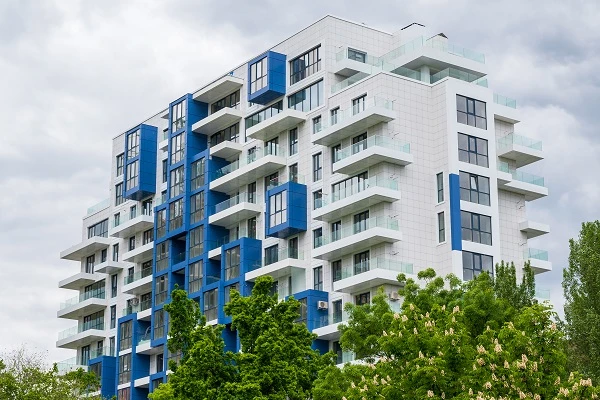

Building envelope design is a complex undertaking, fraught with challenges that can significantly impact a structure's performance, energy efficiency, and longevity. However, building envelope design is not without its challenges. Architects, engineers, and construction professionals encounter numerous obstacles when creating an effective and robust building envelope. These challenges can significantly impact the overall performance, energy efficiency, and maintenance requirements of a structure. Therefore, it is crucial to identify and address these common challenges to optimize the functionality and sustainability of the building envelope.
In this guest post, we will delve into the common hurdles faced in building envelope design and the invaluable role played by consultants in overcoming these obstacles, providing expert guidance and solutions.
1. Identifying and Mitigating Thermal Bridging:
Thermal bridging is a persistent challenge that can compromise the energy efficiency of a building. Consultants bring their expertise to detect and minimize thermal bridging, ensuring optimal insulation and reduced heat transfer. Through comprehensive assessments and thermal imaging, consultants identify areas prone to thermal bridging, recommending strategic solutions such as thermal breaks, improved insulation continuity, and alternative construction techniques to mitigate its impact.
The expertise of building envelope consultants is instrumental in identifying thermal bridging issues and implementing effective solutions. By addressing thermal bridging, energy efficiency can be improved, leading to reduced heating and cooling costs and a more sustainable building. Through their recommendations and collaboration with architects, engineers, and contractors, building envelope consultants contribute to the creation of energy-efficient and thermally optimized building envelopes.
2. Tackling Air Leakage:
Air leakage poses a significant threat to energy efficiency and indoor air quality. Building envelope consultants conduct thorough blower door tests to assess the level of air leakage in a structure. By creating pressure differentials, consultants can measure airflow rates and pinpoint areas of leakage. This valuable data allows them to guide the implementation of effective sealing measures, including weatherstripping, air barriers, and improved building envelope assembly techniques. Through these measures, consultants help enhance the airtightness of the building envelope, reducing energy loss and improving comfort.
Consultants may also suggest the use of advanced sealing materials and techniques, such as spray foam insulation or air sealing tapes, to enhance the air tightness of the building envelope. By addressing air leakage, consultants help improve energy efficiency, reduce heating and cooling costs, and enhance indoor air quality. Additionally, they can provide guidance on building code requirements related to air tightness and assist in achieving compliance.
3. Combating Water Infiltration:
Water infiltration is a persistent challenge that can lead to structural damage, mold growth, and compromised indoor air quality. Building envelope consultants leverage their expertise to conduct meticulous inspections, identifying vulnerable areas such as roofs, windows, doors, and foundation walls. By employing advanced techniques, including moisture meters, thermal imaging, and visual examinations, consultants can identify potential vulnerabilities and areas prone to water infiltration. Armed with this knowledge, they recommend effective moisture management strategies, such as improved drainage systems, proper waterproofing measures, and the installation of moisture barriers, to safeguard the integrity of the building envelope.
Furthermore, building envelope consultants can provide guidance on implementing effective moisture control measures, such as installing vapor barriers, improving drainage systems, or incorporating proper ventilation strategies. They may recommend the use of waterproofing membranes, sealants, and other materials to enhance the building envelope's resistance to water penetration.
4. Navigating Building Codes and Standards:
Compliance with building codes and standards is crucial for ensuring the safety, quality, and regulatory compliance of a building envelope. Building envelope consultants possess in-depth knowledge of the applicable codes and standards, assisting architects, engineers, and contractors in navigating these complex regulations. Consultants provide guidance on how to interpret and implement code requirements related to energy efficiency, fire safety, accessibility, and other relevant aspects of the building envelope. By incorporating their expertise and recommendations, professionals can design envelope systems that meet or exceed the required standards, ensuring a compliant and safe building.
Furthermore, consultants monitor the construction process to ensure that materials are installed correctly and in accordance with industry best practices. By collaborating with architects, engineers, and contractors, consultants contribute to the implementation of quality control measures that enhance the durability and performance of the building envelope.
5. Enhancing Material Selection and Durability:
Selecting durable and suitable materials for the building envelope is paramount to its long-term performance and resilience. Building envelope consultants bring their expertise to the table, providing valuable insights into material options, compatibility, and performance. They consider factors such as environmental conditions, building type, and sustainability goals when recommending appropriate materials. Consultants play a pivotal role in ensuring the durability and longevity of the building envelope by recommending materials that are resistant to degradation, offer optimal insulation properties, and can withstand the rigors of the environment.
In terms of fire safety, building envelope consultants can recommend fire-rated materials, proper compartmentalization strategies, and effective fire stopping techniques to meet code requirements. They can also suggest designs that enhance accessibility, such as accessible entrances, clear pathways, and appropriately sized doorways.
By working closely with design and construction teams, building envelope consultants ensure that the building envelope design aligns with the codes and standards from the early stages of the project. Their expertise and knowledge of code requirements contribute to the creation of compliant, safe, and sustainable building envelopes that meet or exceed regulatory expectations.
Conclusion:
Building envelope design presents multifaceted challenges that demand specialized knowledge, experience, and attention to detail. Building envelope consultants bring their expertise and guidance to the table, assisting professionals in overcoming these challenges and driving success. By addressing thermal bridging, air leakage, water infiltration, compliance with codes, and material selection, consultants contribute to the creation of efficient, durable, and sustainable building envelopes. If you are located nearby San Antonio TX do contact Building Envelope Consultant in San Antonio TX for all your building envelope consultant needs. With their support, professionals can design and construct building envelopes that not only meet regulatory requirements but also enhance energy efficiency, indoor comfort, and the overall performance of the building.







Sign in to leave a comment.