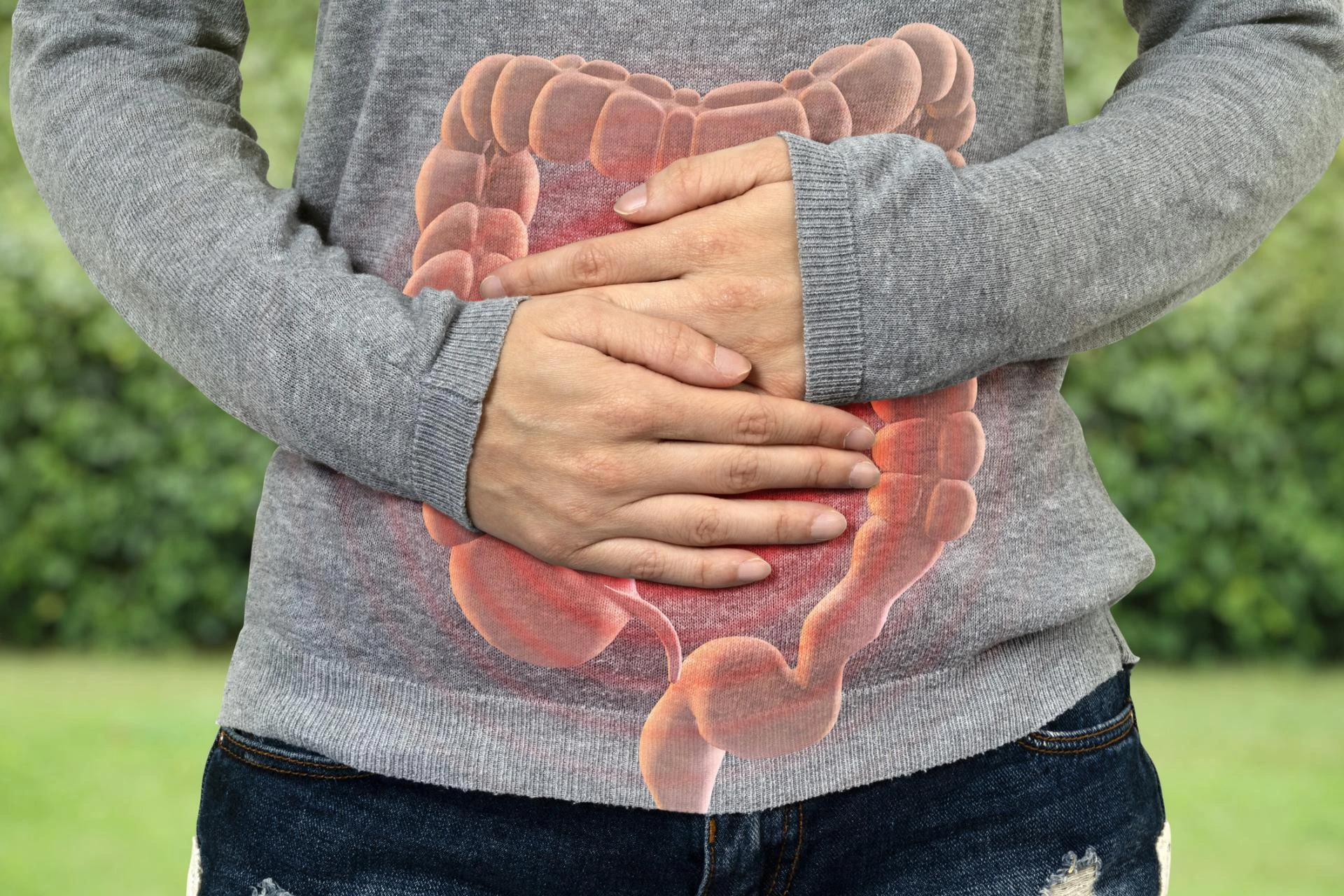
Living with pain can be incredibly disruptive, impacting daily activities, sleep, and overall quality of life. While pain relief medication can offer quick comfort, incorporating targeted exercises can be a game changer in managing and alleviating discomfort. In this post, we will explore some simple yet effective exercises to provide quick pain relief while also discussing the role of the best pain relief medication in your recovery routine.
Why Exercise for Pain Relief?
Exercise is a natural way to release tension, increase blood flow, and stimulate the production of endorphins—the body's natural painkillers. Engaging in specific movements can help reduce stiffness, improve flexibility, and decrease pain levels, offering a complementary approach to pain relief medication.
1. Neck Rolls for Neck and Shoulder Pain
Neck pain can be a result of prolonged sitting, poor posture, or stress. To alleviate tension in the neck and shoulders:
Sit comfortably with your back straight.
Gently drop your chin to your chest.
Slowly roll your head to the right, bringing your ear toward your shoulder.
Hold for 5 seconds, then roll to the left.
Repeat 5-10 times.
2. Child's Pose for Lower Back Relief
The lower back often bears the brunt of daily activities. Child's Pose is a gentle stretch that targets the lower back while calming the mind.
Start on all fours.
Lower your hips back to your heels and extend your arms forward.
Rest your forehead on the floor and take deep breaths.
Hold for 30-60 seconds.
3. Knee-to-Chest Stretch for Hip Pain
Hip pain can be debilitating, but this stretch can provide significant relief:
Lie flat on your back with your knees bent.
Bring one knee toward your chest, holding it with both hands.
Keep the other foot flat on the floor.
Hold for 15-30 seconds and switch legs.
4. Seated Forward Bend for Sciatica
Sciatica pain can radiate from the lower back down to the legs. This stretch helps to decompress the spine:
Sit with your legs extended straight in front of you.
Inhale and lengthen your spine.
Exhale and hinge forward, reaching for your toes.
Hold for 20-30 seconds.
5. Standing Quad Stretch for Knee Pain
If you experience knee pain, a quad stretch can reduce tightness in the thigh muscles:
Stand with your feet hip-width apart.
Bend your right knee and bring your heel toward your glutes.
Hold your ankle with your right hand and keep your knees together.
Hold for 20-30 seconds and switch sides.
6. Cat-Cow Stretch for Spinal Flexibility
The Cat-Cow stretch is excellent for improving spinal flexibility and relieving back pain:
Start on all fours with wrists under shoulders and knees under hips.
Inhale as you arch your back and look up (Cow Pose).
Exhale as you round your spine and tuck your chin (Cat Pose).
Repeat 10 times.
7. Ankle Circles for Foot and Ankle Pain
If you've been on your feet all day or have tight ankles, try this simple exercise:
Sit comfortably and lift one foot off the ground.
Slowly rotate your ankle clockwise for 10 seconds.
Repeat counterclockwise for another 10 seconds.
Switch feet and repeat.
When to Use Pain Relief Medication
While exercises can be incredibly beneficial, there are times when the best pain relief medication is necessary to manage acute discomfort. Over-the-counter pain relief medication like ibuprofen, acetaminophen, and topical analgesics can help reduce inflammation and provide immediate comfort. However, it is important to consult with a healthcare provider to determine the most effective treatment plan tailored to your specific condition.
Pain Relief Tips for Long-Term Management
Stay Hydrated: Proper hydration can reduce muscle cramps and maintain joint lubrication.
Apply Heat or Cold: Ice packs can minimize inflammation, while heat can relax tight muscles.
Practice Good Posture: Proper alignment reduces strain on the spine and muscles.
Mindful Breathing: Deep breathing exercises can reduce stress and muscle tension.
Conclusion
Combining simple exercises with pain relief medication can offer a holistic approach to managing pain. By incorporating these power moves into your daily routine, you can alleviate tension, reduce stiffness, and regain mobility without solely relying on medication. Always consult with a medical professional before beginning any new exercise regimen, especially if you have a pre-existing condition or are taking pain relief medication. Implement these power moves today for a life with less pain and more movement.


























Sign in to leave a comment.