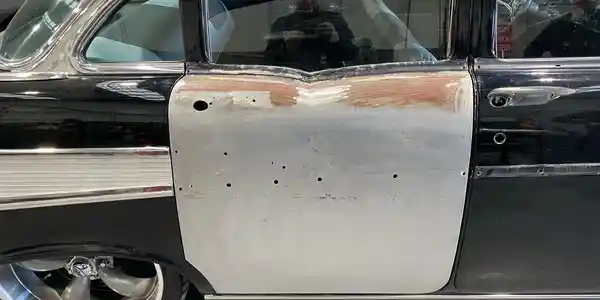
Panel beating is one of the most misunderstood trades in the automotive industry. Many people assume it’s just about pulling dents and spraying paint, but that assumption is wrong—and expensive. Real panel beating involves structural repair, precision metalwork, and controlled reshaping of a vehicle to return it to factory specifications. When done properly, panel beating restores safety, alignment, and long-term durability. When done poorly, it hides damage that resurfaces later as rust, cracked paint, misaligned panels, and reduced resale value. Panel beating is not cosmetic work. It is corrective engineering for damaged vehicles, and quality matters far more than speed or price.
What Panel Beating Actually Involves
At its core, panel beating is the process of repairing damaged vehicle panels using controlled force, heat, and metalworking techniques. This includes straightening bent panels, repairing creases, replacing damaged sections, and ensuring proper alignment across the body shell. Proper panel beating restores the original shape and structural integrity of the vehicle. It’s not guesswork. Measurements, tolerances, and symmetry matter. A skilled panel beater understands how metal stretches, compresses, and reacts under stress. This knowledge is what separates real repairs from filler-heavy shortcuts. Panel beating done correctly ensures doors close properly, panels line up evenly, and the vehicle performs as intended in future impacts.
The Difference Between Proper Panel Beating and Shortcut Repairs
This is where most people get burned. Cheap repairs often rely on excessive filler to hide damage instead of fixing it. Panel beating is supposed to minimize filler use, not depend on it. When panels are roughly pulled and covered in bog, the repair may look acceptable initially, but it won’t last. Over time, filler cracks, paint sinks, and rust form underneath. Proper panel beating reshapes metal as close to its original form as possible before any surface finishing begins. Less filler means stronger repairs, longer lifespan, and better paint adhesion. If a repair shop prioritizes speed over accuracy, you’re paying for problems you’ll see later.
Structural Panel Beating and Vehicle Safety
Panel beating isn’t limited to outer panels. Structural repairs are a critical part of modern accident repair. Vehicles are engineered with crumple zones and load paths designed to absorb impact in specific ways. Poor panel beating can compromise these systems. Straightening chassis rails incorrectly or ignoring alignment specifications affects handling, tire wear, and crash performance. Proper panel beating follows manufacturer repair procedures and uses accurate measuring systems. This isn’t optional. A vehicle that looks straight but is structurally misaligned is unsafe. Good panel beating restores both appearance and function, ensuring the vehicle behaves correctly under real driving conditions.
Rust Repair and Panel Beating Go Hand in Hand
Rust repair is one of the most demanding aspects of panel beating. Surface rust is rarely the real issue—it’s what lies underneath that matters. Proper panel beating involves cutting rust out completely and replacing affected metal, not grinding it back and filling over it. Any repair that doesn’t remove rust at the source will fail. Skilled panel beaters fabricate repair sections, weld them in correctly, and treat the metal to prevent future corrosion. This process takes time and experience. Quick rust repairs are temporary by nature. Proper panel beating treats rust as structural damage, not a cosmetic inconvenience.
Paint Preparation Starts With Panel Beating
Good paintwork depends on good panel beating. No amount of high-end paint can hide poor metalwork forever. Waves, ripples, and uneven surfaces become obvious once the vehicle is in sunlight. Proper panel beating ensures panels are straight, edges are sharp, and gaps are consistent before paint is applied. This reduces the need for heavy fillers and excessive sanding later. Paint is a finishing layer, not a fix. If the panel beating underneath is wrong, the paint will eventually show it. This is why high-quality paint jobs always start with disciplined panel work, not the other way around.
Panel Beating for Insurance vs Private Repairs
There’s a difference between insurance-driven repairs and private panel beating work. Insurance jobs often prioritize cost efficiency and turnaround time. That doesn’t automatically mean poor quality, but it does mean repairs are guided by strict budgets. Private panel beating allows more flexibility to repair panels rather than replace them, and to spend additional time on metal finishing. Understanding this difference matters when choosing a repair approach. Panel beating done to minimum standards meets requirements, but panel beating done with craftsmanship exceeds them. The choice depends on your expectations, not just who’s paying.
Choosing a Panel Beater Without Getting Burned
The biggest mistake people make is choosing a panel beater based on price alone. Panel beating is skilled labor. Cheap quotes usually mean shortcuts somewhere—less time on metalwork, more filler, rushed alignment, or minimal rust treatment. A competent panel beater can explain their repair process clearly. They won’t promise miracles, unrealistic timelines, or flawless results without inspection. Look for evidence of metalwork skill, not just shiny paint. Panel beating is about what you don’t see as much as what you do. If a shop avoids technical questions, that’s a red flag.
Long-Term Value of Proper Panel Beating
Quality panel beating protects your vehicle’s value. Poor repairs reduce resale value immediately, even if the damage isn’t obvious. Buyers, inspectors, and experienced dealers can spot substandard panel work quickly. Proper panel beating ensures consistent panel gaps, correct paint thickness, and structural integrity. It also prevents long-term issues like rust return, paint failure, and alignment problems. Whether you plan to keep the vehicle or sell it, proper repairs save money over time. Paying once for correct panel beating is always cheaper than paying twice for repairs that fail.
Conclusion
Panel beating is not cosmetic work, and it’s not something that should ever be rushed or discounted. It is skilled metal repair that restores safety, structure, and appearance simultaneously. When panel beating is done properly, the vehicle drives correctly, wears evenly, and holds its value. When done poorly, the problems resurface—and usually cost more to fix the second time. Panel beating done right is about discipline, accuracy, and respect for the engineering behind the vehicle. Anything less is just hiding damage and hoping no one notices.
Sign in to leave a comment.