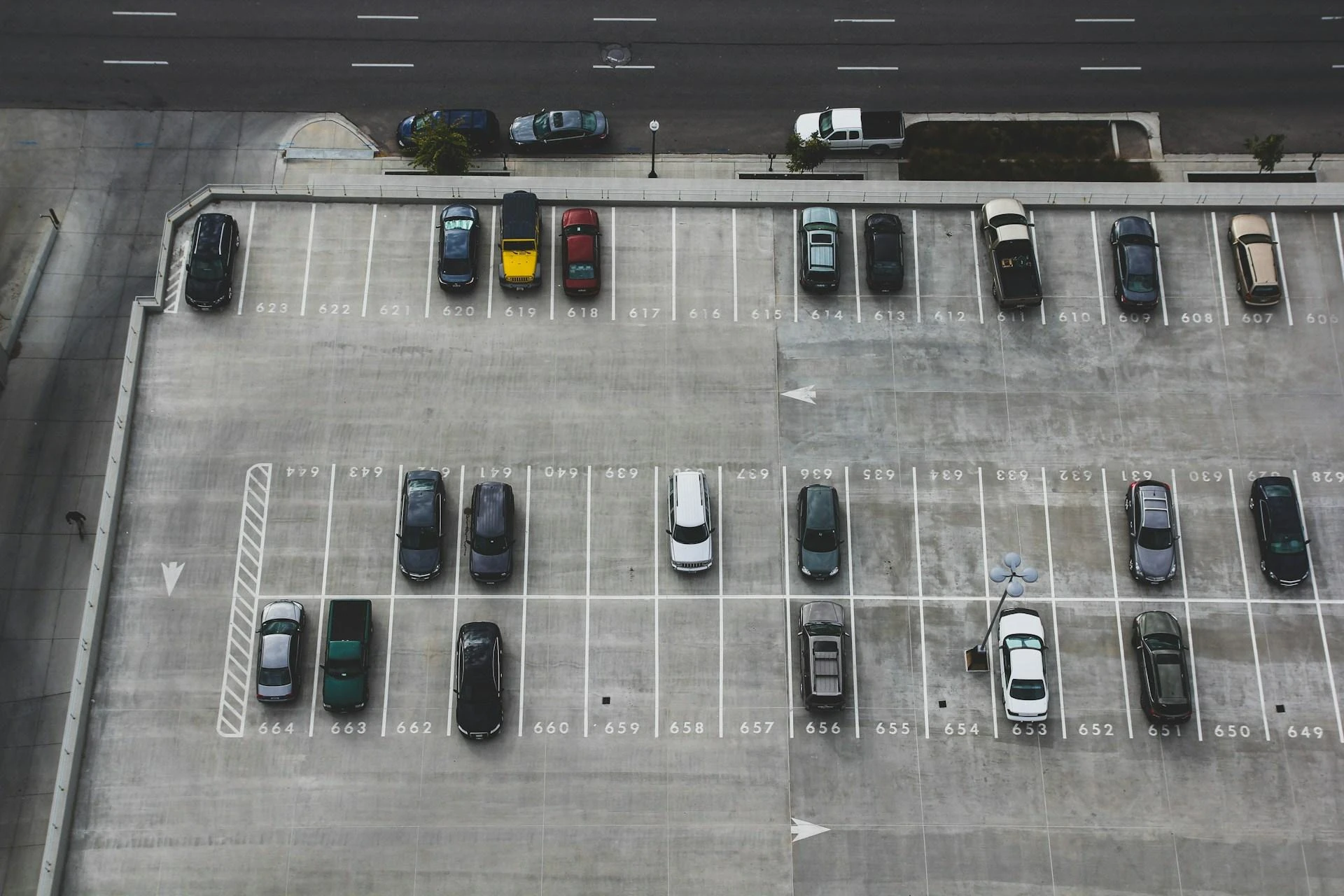

Parking lots are one of the most common places where vehicles collect unexpected damage. Drivers often relax once they leave the road and reduce their level of focus. Tight spaces, constant movement, and visual distractions combine in a small area. Many incidents happen at very low speeds and feel harmless at the time. Damage is often noticed later under better lighting or during washing. Repair shops see the same parking-related issues return day after day.
Parking areas bring together reversing cars, pedestrians, and fixed objects in close quarters. Lighting is often uneven, which limits depth perception and awareness. Whether glare from the sun or rain can make judging distance harder. Small mistakes stack up quickly when traffic flows from every direction. These conditions explain why parking damage happens so often. Learning common damage patterns helps drivers stay more alert.
Parking areas lead to repeated damage
Parking lots encourage frequent stopping, turning, and reversing. Drivers focus on locating a free space rather than monitoring nearby vehicles. This shift in attention increases minor contact incidents. Even cautious drivers face risk due to limited room to maneuver. Stress rises during busy periods, which affects judgment.
Doors open without warning, and trolleys move freely across lanes. Blind spots appear quickly due to parked vehicles on both sides. Cars move in unpredictable directions rather than straight lines. These conditions create familiar damage patterns. Repair professionals recognize them immediately due to repetition. Parking layouts play a major role in how damage occurs.
Older parking areas often lack clear markings and space. Newer parking structures still feel tight during peak hours. Narrow lanes increase pressure during turns and reversing. All these factors make parking areas a steady source of vehicle damage. No driver is completely immune in these environments.
Low-speed bumps that leave hidden damage
Most parking lot impacts happen at very low speeds. A driver may misjudge distance while reversing or pulling forward. The contact feels light and often seems harmless. Beneath the surface, clips, brackets, and paint layers can suffer damage. These issues are rarely visible right away.
Bumpers absorb impact using flexible materials. Paint cracking can occur without obvious dents. Once paint breaks, moisture reaches the inner layers. This leads to corrosion forming over time. Small scuffs often hide deeper problems.
Many owners search for panel beaters near me after noticing damage spread. Early repair usually involves simple fixes and limited repainting. Waiting increases labour time and repair costs. Parking lot bumps often grow into larger issues. Acting early reduces long-term expenses.
Door dings that add up over time
Door dings are one of the most common parking lot problems. Tight spacing leaves little room to open doors safely. Wind can push doors wider within seconds. Passengers may open doors without checking their surroundings. These small actions cause repeated dents.
Dents usually appear along door edges and side panels. Paint often chips at the point of impact. Even shallow dents distort reflections and reduce appearance quality. One ding makes panels more vulnerable to future damage. Over time, damage becomes noticeable. Repair shops often see clusters of door dents on one side. Early repair allows paintless techniques in many cases. Delays usually require filling and repainting. Acting early preserves factory paint. Prevention also starts with careful parking choices.
Scrapes from walls and concrete pillars
Concrete walls and pillars cause long scrape marks. Drivers turning too tightly misjudge clearance by small margins. Scrapes often run across doors, guards, or wheel arches. Mirrors and trims are common contact points. Damage usually looks worse than it feels. Scraping removes protective paint layers quickly. Bare metal becomes exposed to air and moisture. Dirt settles into damaged areas and speeds corrosion.
Rust often spreads beneath nearby paint. Damage grows quietly over time. Repair involves sanding, priming, and colour blending. Early attention limits how far repairs must go. Delaying repair allows corrosion to expand. Parking buildings with narrow lanes increase the risk. Awareness helps reduce repeat incidents.
Reverse collisions between moving vehicles
Reverse collisions happen when two drivers back out at once. Each driver focuses in a different direction. Movement behind them goes unnoticed until impact occurs. These incidents often affect rear quarter panels or tailgates. Damage patterns are uneven.
Sensors, cameras, and lights may stop working correctly. Panel alignment can shift after impact. Hidden damage often exists behind visible dents. Repair professionals inspect mounting points carefully. Proper repair restores safety features.
Parking lots encourage reversing into traffic lanes. Pressure from waiting drivers increases rushed decisions. Slow and deliberate movement reduces risk. Awareness of surroundings matters greatly. Experience helps prevent repeat damage.
Trolley strikes and loose object impacts
Shopping trolleys cause frequent parking damage. Slight slopes allow trolleys to roll freely. Wind pushes them toward parked vehicles. Doors and bumpers receive most of the impact. Damage often goes unnoticed initially.
Trolley strikes leave dents and chipped paint. Responsibility is rarely clear in these cases. Owners often discover damage hours later. Cameras seldom capture useful footage. Repair shops see this damage daily.
Loose bins, signs, and debris cause similar issues. Parking near loading zones increases exposure. Early dent repair prevents paint failure. Small impacts deserve prompt attention. Awareness helps reduce future risk.
Early repairs protect vehicle value
Parking lot damage often feels cosmetic at first. Many drivers delay repairs to save time or money. Small cracks allow moisture into metal layers. Corrosion spreads silently beneath paint. Damage becomes more costly later.
Early inspection reveals problems not visible right away. Skilled repair restores panels before rust forms. This keeps costs controlled and results clean. Vehicle appearance remains consistent. Long-term value stays protected.
Parking lots will always involve risk. Smart responses reduce stress and expense. Acting early prevents damage from spreading. Regular checks make a difference. Careful attention protects reliability and appearance.

Sign in to leave a comment.