
A passive house is a wonderful place to live, with extremely cheap heating expenditures and good indoor environmental quality. It offers the person a great feeling of convenience and requires very little maintenance, while also lowering the carbon footprint significantly. If you are like to have this rigorous building standard, make sure you go through all the most frequently asked questions about it. Most homeowners ask these 5 questions to the passive house builders in Melbourne to eliminate any confusion and gather valuable information. Scroll down to know them in detail.
What effect do material selection and design complexity have on the cost of building a passive house?Working with competent Passive House builders is imperative, as the particular aspects and correct format may boost labour expenses for individuals inexperienced with the process. Keep in mind that using local materials helps to keep prices down by reducing transportation distance and time, and it also supports the regional economy.
Is it viable to calculate how long it will take for the expense to pay off in reduced power bills (before construction)?The Passive House Planning Package (PHPP) is a system used by passive houses. The electricity demand for various construction envelope alternatives can be calculated using PHPP's energy analysis of the structure. The cost of new resources to attain higher energy efficiency can also be compared against the long-term expense of the extra loan amount to assess if it is reasonable.
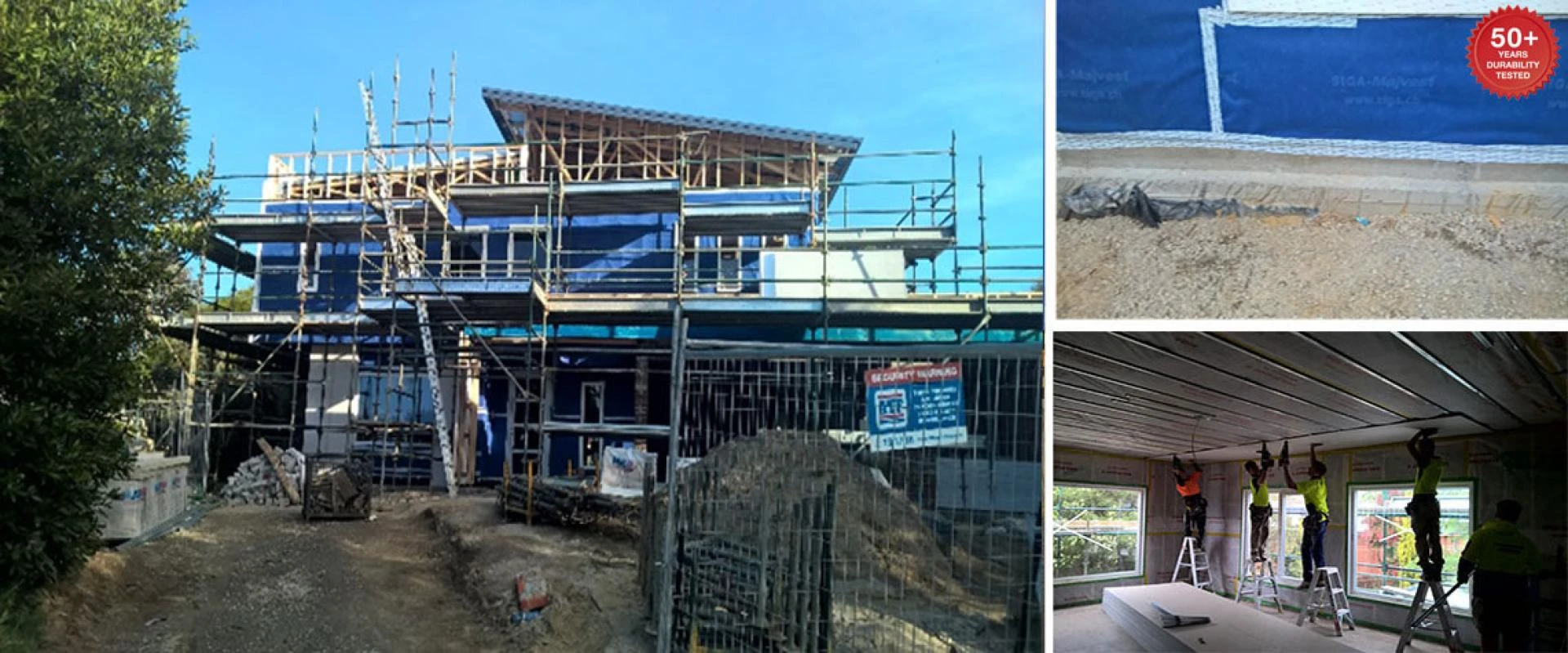
Is it necessary to be cautious about moisture and mould issues?No, with a passive house structure, you shouldn't be bothered about this. Moisture invades building components such as walls, ceilings, and other surfaces, causing mould growth. One of the passive house's main goals is to restrict moisture from leaking through the external walls, which they achieve by creating a constant air barrier surrounding the structure.
Is it true that a passive house is automatically considered healthy?Selection of material is important for constructing a healthier home, yet passive house design does not dictate which materials should be used to meet its requirements. The materials used are essential to a healthy home, and collaborating with an architect who knows the alternatives and how to blend them into the set targets is beneficial.
Are passive houses more expensive to build?Yes, but only by a slight bit! Even if there are some cases of passive houses being built at the same (or sometimes even less) than regular construction, the superior quality structure usually comes at a premium of up to 10%.
These are the 5 most frequently asked questions (FAQs) about passive house buildings. If you like this piece of content, share it with your friends, and get back to us for more exciting posts!
0










Sign in to leave a comment.