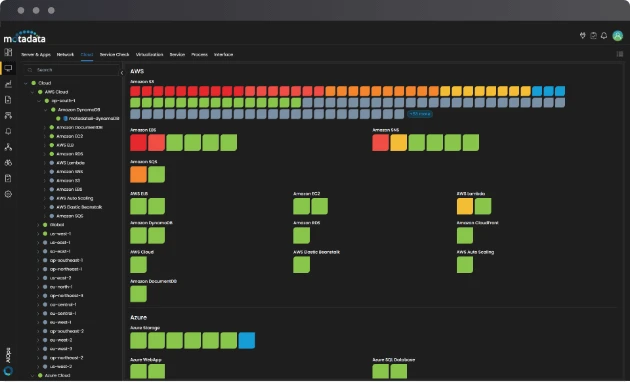
In today’s fast-evolving digital environment, software vulnerabilities are a major security risk for organizations of all sizes. Cyber attackers often exploit unpatched systems to gain unauthorized access or disrupt operations. Patch management software plays a crucial role in maintaining system security and performance by automating the process of identifying, testing, and deploying software updates across an IT environment.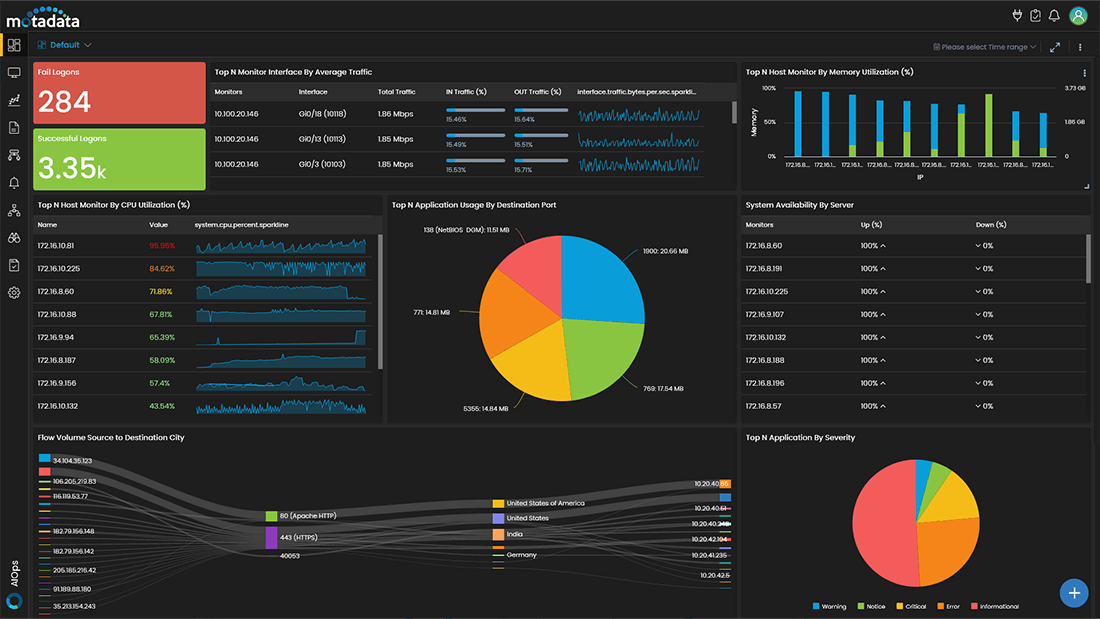
Patch management software is designed to manage updates for operating systems, applications, and third-party software. It continuously scans systems to detect missing or outdated patches and provides a centralized view of patch status across servers, desktops, laptops, and mobile devices. This ensures that all systems remain up to date and protected against known vulnerabilities.
One of the primary benefits of patch management software is enhanced security. Software vendors regularly release patches to fix security flaws and bugs. Without a structured patching process, organizations are exposed to malware, ransomware, and data breaches. Patch management tools automate patch deployment, reducing the window of vulnerability and strengthening overall cybersecurity defenses.
Another key advantage is operational efficiency. Manually applying patches across hundreds or thousands of devices is time-consuming and error-prone. Patch management software automates scheduling, testing, and deployment, minimizing human effort and reducing the risk of misconfigurations. IT teams can focus on strategic tasks instead of repetitive maintenance work.
Patch management software also improves system stability and performance. Updates often include performance enhancements, bug fixes, and compatibility improvements. By keeping systems updated, organizations experience fewer crashes, improved application performance, and better reliability. Many tools allow staged deployments and rollback options to ensure patches do not disrupt critical systems.
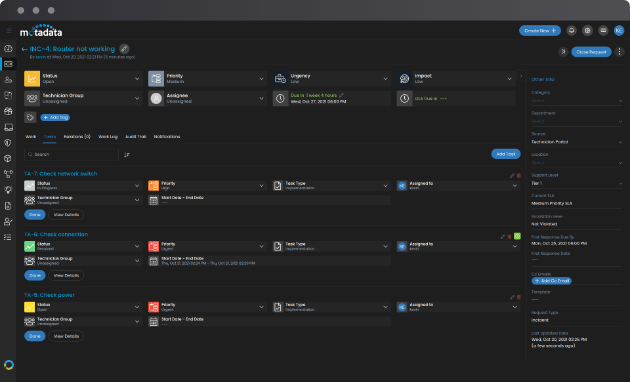
Compliance and reporting are additional benefits of patch management software. Many industries require organizations to meet regulatory standards related to security and data protection. Patch management tools provide detailed reports and audit trails, helping businesses demonstrate compliance and maintain proper documentation.
Modern patch management solutions support diverse and remote environments. With the rise of cloud computing, remote work, and Bring Your Own Device (BYOD) policies, managing patches across distributed systems has become challenging. Advanced tools offer cloud-based management, remote patching capabilities, and integration with endpoint management platforms.
visit know for about us :- application performance monitoring
In conclusion, patch management software is an essential component of a strong IT security strategy. By automating updates, reducing security risks, and improving system reliability, it helps organizations maintain a secure, compliant, and efficient IT infrastructure in an increasingly complex digital world.

























Sign in to leave a comment.