Healthcare is undergoing a major transformation—from provider-driven care to patient-centered care. At the heart of this shift is Patient Engagement Management (PEM), a strategic approach that empowers patients to actively participate in their healthcare journey. By combining technology, communication, and personalized experiences, patient engagement management improves outcomes, satisfaction, and overall care quality.
What Is Patient Engagement Management?
Patient Engagement Management refers to the structured use of tools, processes, and strategies that encourage patients to take an active role in their health. This includes appointment scheduling, digital communication, health education, treatment adherence, and continuous follow-ups.
Rather than being passive recipients of care, engaged patients become informed partners who collaborate with providers to achieve better health outcomes.
Why Patient Engagement Management Matters
Engaged patients are more likely to understand their conditions, follow care plans, and maintain regular communication with healthcare providers. This leads to:
- Improved clinical outcomes
- Higher patient satisfaction and trust
- Reduced hospital readmissions
- Better chronic disease management
- Lower operational costs
In an era of value-based care, patient engagement is no longer optional—it is essential.
Key Elements of Effective Patient Engagement Management
Digital Communication and Access
Patient portals, mobile apps, secure messaging, and SMS reminders make it easier for patients to connect with providers, access records, and manage appointments at their convenience.
Personalized Patient Experiences
Tailored care plans, targeted education, and individualized reminders increase engagement and build stronger patient-provider relationships.
Health Education and Empowerment
Providing easy-to-understand educational resources helps patients make informed decisions and manage their health more confidently.
Data and Feedback Utilization
Analyzing patient data and feedback allows healthcare organizations to identify engagement gaps and continuously improve care delivery.
Accessibility and Convenience
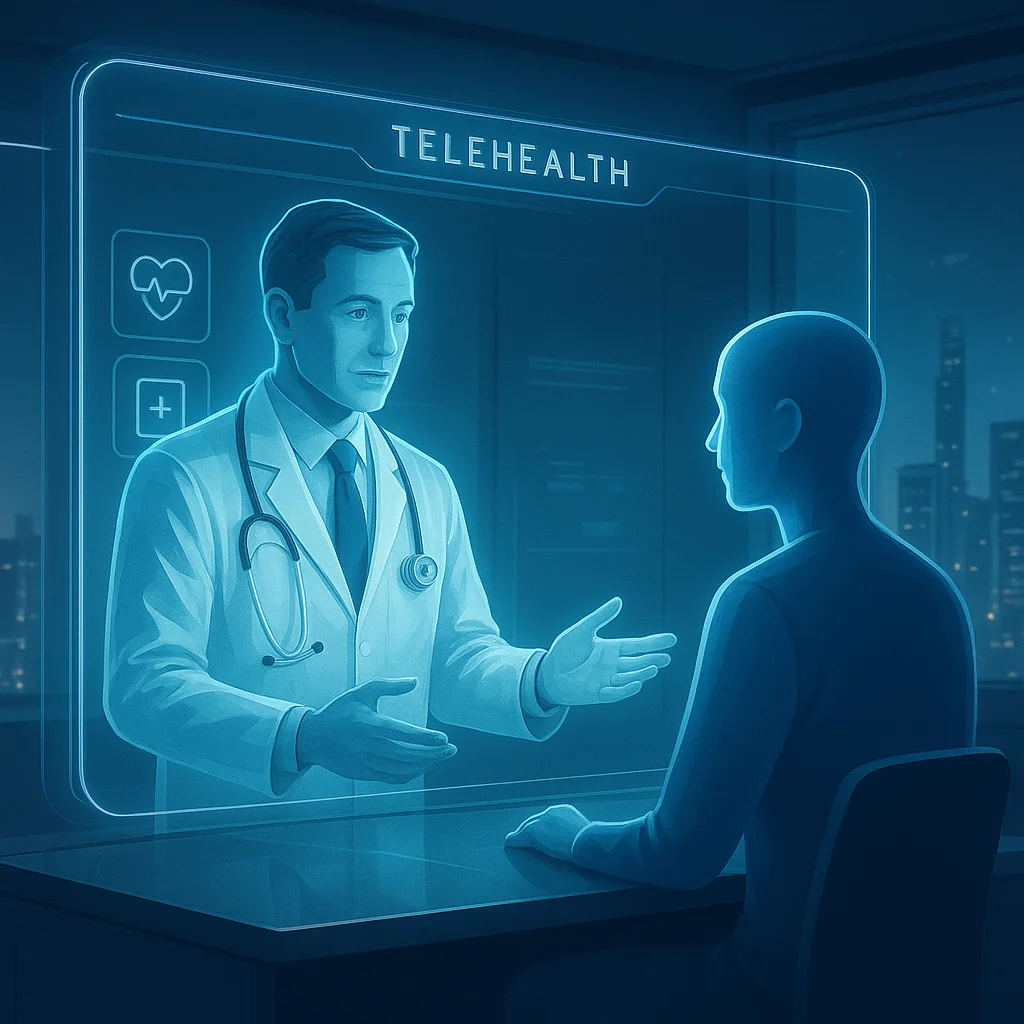
Telehealth, online scheduling, and remote monitoring remove barriers to care and support ongoing engagement beyond clinical settings.
Benefits for Healthcare Organizations
A strong patient engagement management strategy helps healthcare providers achieve:
- Better care coordination
- Increased patient loyalty
- Reduced no-show rates
- Enhanced operational efficiency
- Improved compliance with care standards
By focusing on engagement, providers can deliver higher-quality care while optimizing resources.
The Future of Patient Engagement Management
As digital health technologies continue to evolve, patient engagement management will become even more personalized and proactive. Artificial intelligence, remote monitoring, and predictive analytics will enable healthcare organizations to anticipate patient needs and intervene earlier.
The future of healthcare depends on informed, empowered, and engaged patients.
Conclusion
Patient Engagement Management is a critical foundation for modern healthcare. By fostering meaningful interactions, leveraging technology, and prioritizing patient needs, healthcare organizations can improve outcomes, enhance experiences, and build long-term trust. Investing in patient engagement today leads to healthier patients and a stronger healthcare system tomorrow.
























Sign in to leave a comment.